
Let’s Talk About It

Are Tacos Healthy?
It all begins with an idea.

Tacos are a staple in many diets, enjoyed for their flavor, versatility, and convenience. But are they good for you? As with many foods, the answer depends on what’s in them and how they’re prepared. Tacos can be a healthy, balanced meal or a calorie-dense indulgence. Here, we’ll explore their nutritional pros and cons, potential health risks and benefits, and how to make them part of a balanced diet.
The Health Benefits of Tacos
Tacos have the potential to deliver key nutrients, depending on their ingredients. They often combine carbs, protein, and fats in one easy-to-eat package. Here’s a closer look at what tacos can offer:
1. Good Source of Protein
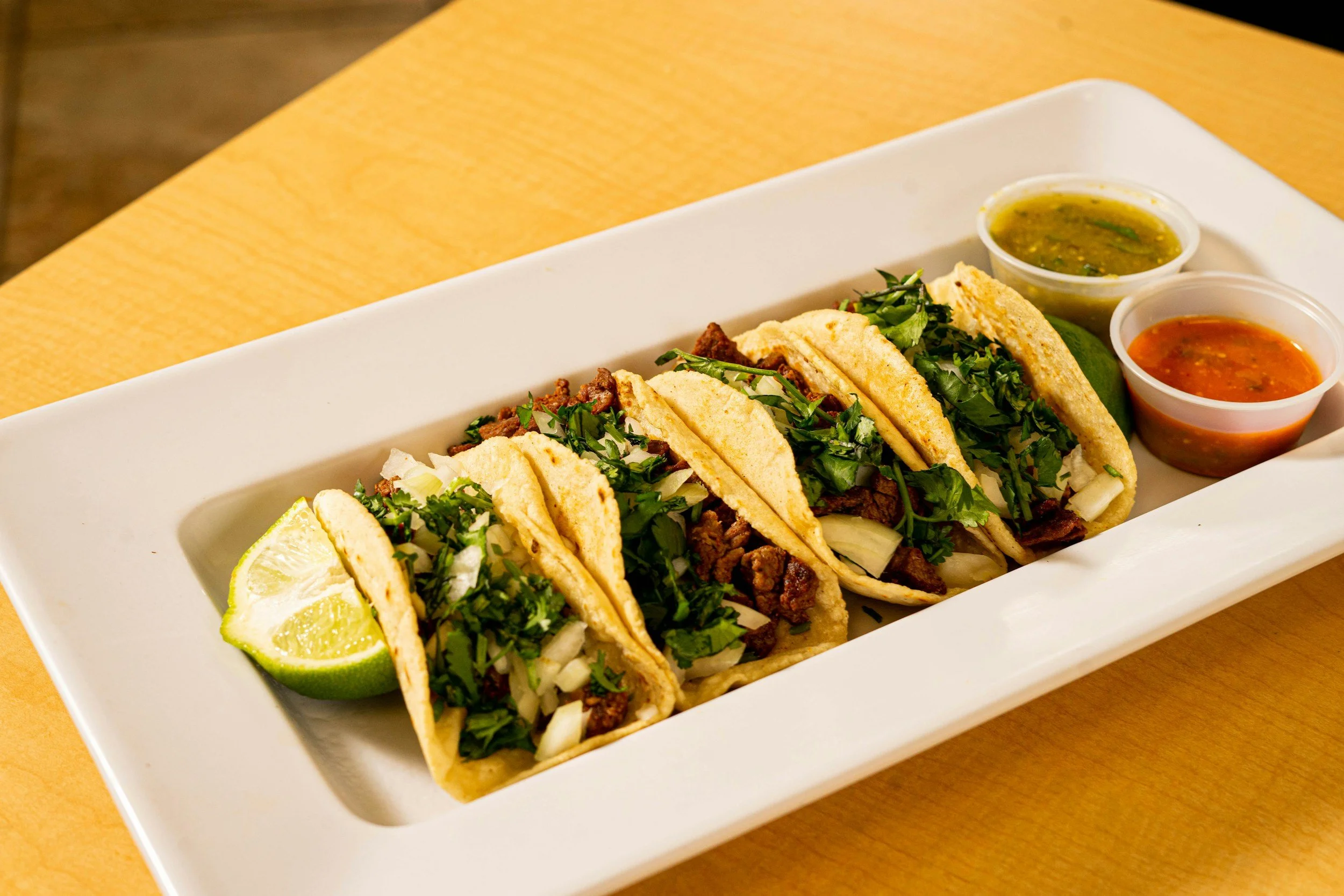
Lean Meats: Tacos filled with lean protein options like grilled chicken, fish, or shrimp can offer a high-protein meal, supporting muscle growth, immune function, and overall recovery. Fish, especially, is rich in omega-3 fatty acids, which are known for their heart health benefits.
Plant-Based Protein: Tacos made with beans, lentils, or tofu are great sources of plant-based protein and fiber, which can help with digestion, support heart health, and even aid in weight management.
2. Fiber from Vegetables and Toppings
Vegetables: Fresh toppings like lettuce, tomatoes, onions, and peppers add fiber, vitamins, and antioxidants, which support digestion, improve immune function, and reduce inflammation.
Beans and Legumes: If you’re using beans, you’re adding fiber and plant-based protein to your taco. Fiber is essential for digestion and helps you stay full, which can be helpful if you’re trying to manage your weight.
3. Carbohydrates from Tortillas
Corn Tortillas: Corn tortillas are lower in calories than flour tortillas and contain essential minerals like magnesium and potassium, which support bone health, muscle function, and help regulate blood pressure.
Whole-Grain Tortillas: Whole-grain tortillas can be another good option, offering more fiber than refined flour tortillas. This fiber can help manage blood sugar levels and keep you feeling fuller for longer.
4. Healthy Fats from Avocado and Other Toppings
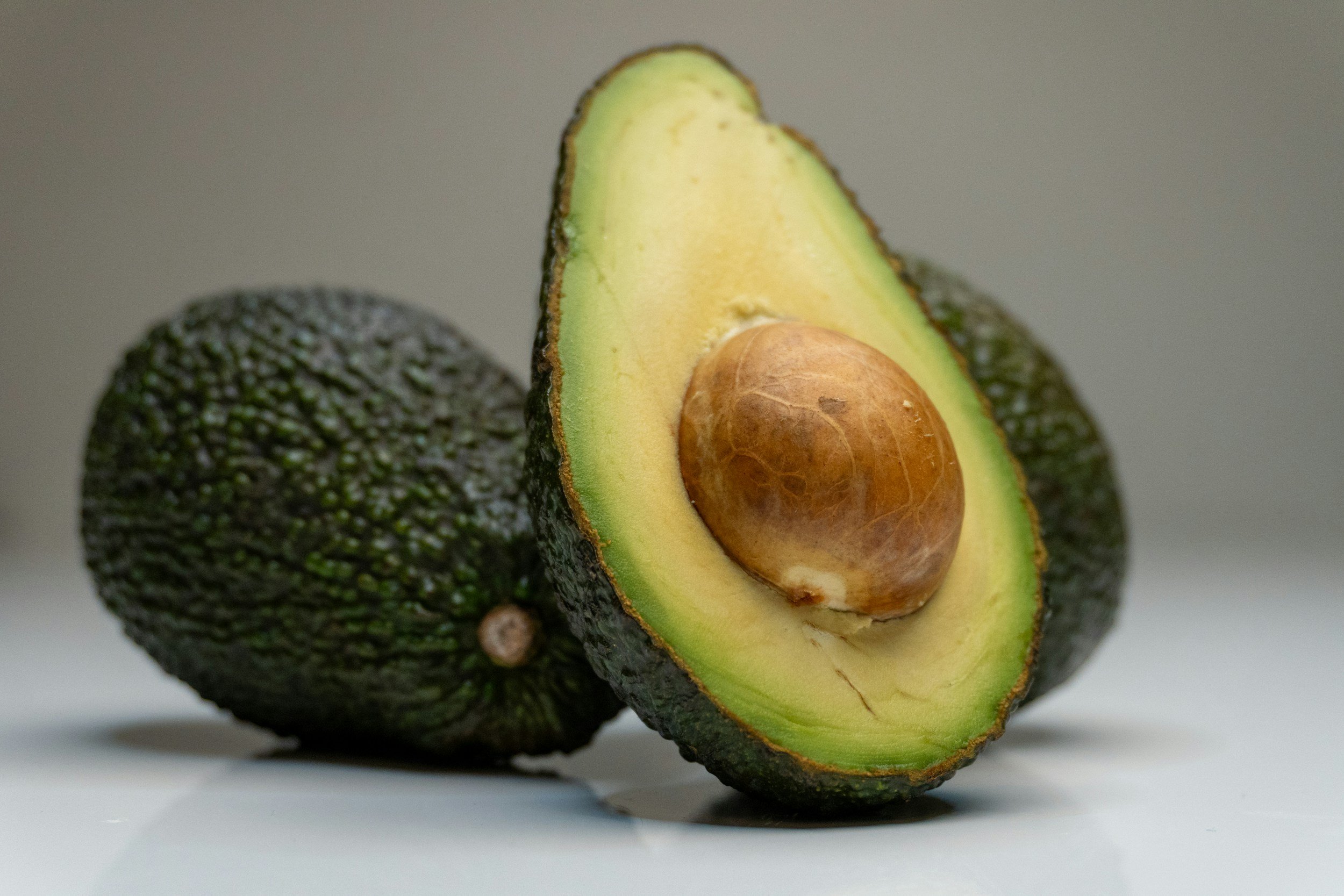
Avocado and Guacamole: Avocados are rich in heart-healthy monounsaturated fats, which can improve cholesterol levels and support skin health. They’re also a good source of vitamins like E and K and essential minerals like potassium.
Olive Oil and Salsa: Homemade salsa and a light drizzle of olive oil can add a boost of antioxidants and healthy fats, supporting overall heart health.
Potential Downsides of Tacos
While tacos can offer solid nutrition, they’re not all created equal. Some types or preparations can make them less healthy. Here are a few things to watch out for:
1. High-Calorie Additions
Cheese and Sour Cream: Adding too much cheese or sour cream can make tacos higher in saturated fats and calories, which, when eaten in excess, may contribute to weight gain and increased risk of heart disease.
Fried Fillings and Shells: Fried meats and shells can add extra unhealthy fats and calories, which may increase your risk of heart disease if eaten too often.
2. Refined Carbohydrates
Flour Tortillas: Flour tortillas are often higher in calories and contain less fiber than corn or whole-grain options, which can make it easier to overeat and may lead to blood sugar spikes.
Hard Taco Shells: Some hard taco shells are fried and may contain trans fats, which are linked to higher LDL cholesterol levels and a higher risk of heart disease.
3. High Sodium Levels
Processed Meats and Seasoning Mixes: Meats like seasoned beef and premade taco seasonings are often high in sodium, which may increase blood pressure and contribute to a higher risk of cardiovascular issues.
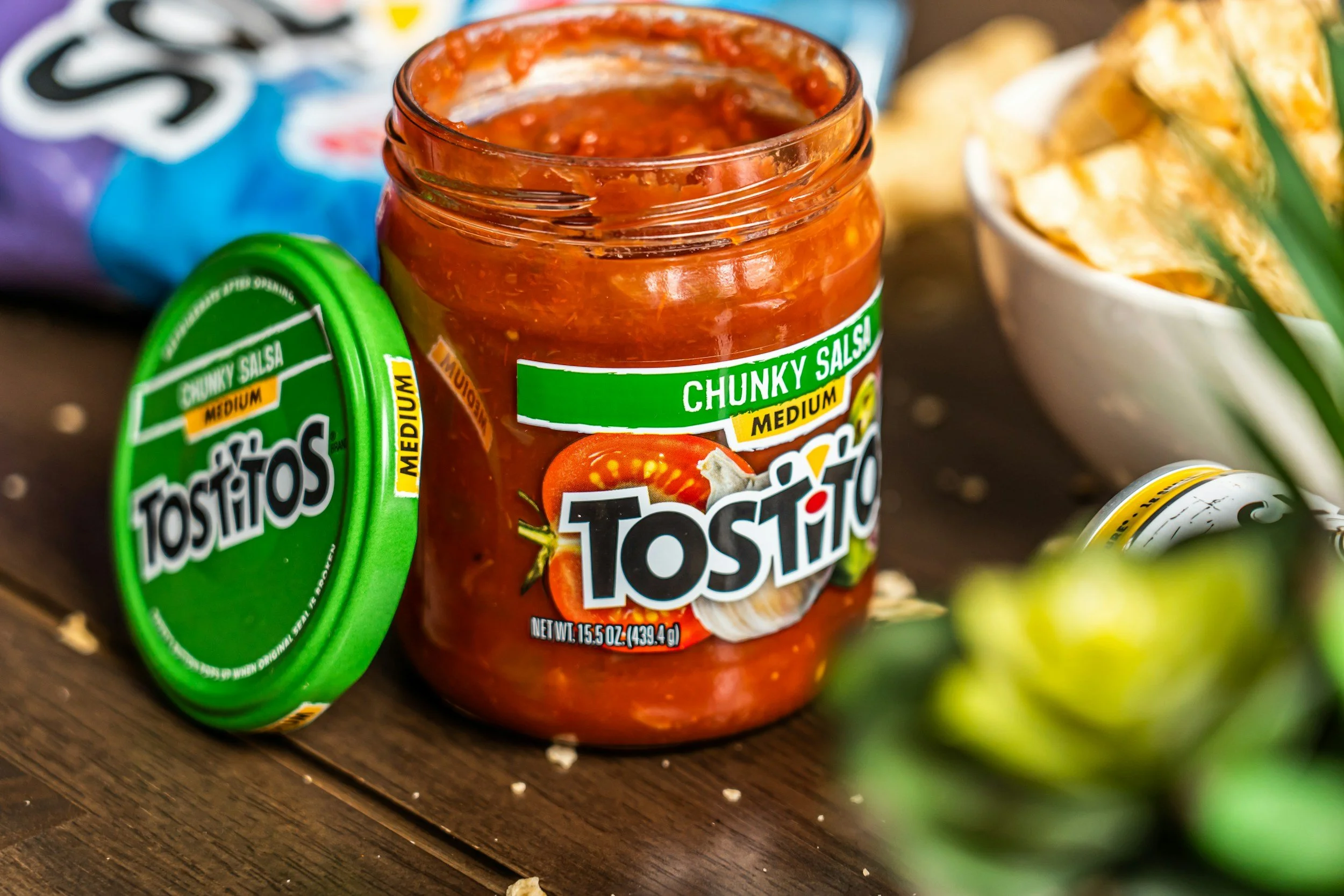
Store-Bought Salsa: Many premade salsas are high in added salt and sugar, which can add to your overall sodium intake for the day. Making fresh salsa is a healthier option.
4. Portion Control Challenges
Because tacos are small and easy to eat, it’s easy to overindulge. Eating multiple tacos in one sitting can quickly add up in calories, fat, and sodium, depending on the ingredients and toppings used.
Health Considerations of Tacos
Some tacos may carry specific health risks, particularly if they include red meat, fried items, or high-sodium components. Here’s what to keep in mind:
Cholesterol Levels: Tacos high in saturated fats from red meats, cheese, and sour cream may contribute to elevated cholesterol levels over time, which could increase your risk of heart disease.
Digestive Issues: Spicy salsas and acidic toppings, such as lime juice, may trigger acid reflux or digestive discomfort, particularly for those with sensitive stomachs.
Blood Pressure: Tacos loaded with high-sodium ingredients like processed meats and certain seasonings may contribute to high blood pressure over time.
Blood Sugar Spikes: Flour tortillas and high-sugar sauces or marinades can contribute to spikes in blood sugar, particularly for individuals with diabetes or insulin resistance.
Tips for Making Healthier Tacos
To keep tacos as a nutritious option, try these swaps and additions:
Go for Corn or Whole-Grain Tortillas: These options are higher in fiber and lower in calories than refined flour tortillas. Alternatively, lettuce wraps can be a low-carb substitute.
Choose Lean Proteins: Grilled chicken, fish, shrimp, or plant-based proteins like beans or lentils make healthier choices than fried or heavily seasoned meats.
Watch the Cheese and Sour Cream: Use smaller amounts of cheese and try substituting sour cream with Greek yogurt to get a similar texture with more protein and less fat.
Make Fresh Salsa: Making your own salsa lets you control the salt and sugar content, plus fresh ingredients provide added vitamins and antioxidants.
Add Vegetables: Spinach, shredded cabbage, bell peppers, and onions boost fiber and essential nutrients.
Use Avocado for Healthy Fats: Avocado or a drizzle of olive oil provides monounsaturated fats, which can help keep you feeling full and support heart health.
Bottom Line
Tacos can fit into a healthy diet if prepared with wholesome ingredients and enjoyed in moderation. Lean proteins, high-fiber vegetables, whole-grain or corn tortillas, and moderate portions of healthy fats can make tacos a nutrient-dense, satisfying choice. But keep in mind that high-calorie toppings like cheese, sour cream, and fried shells can quickly make tacos a heavier option.
Making mindful ingredient choices and using portion control can help you enjoy tacos as a tasty and balanced meal option. With a few tweaks, tacos can be a flavorful and nutritious part of your regular diet.
The Evolution of Vegan Tacos: How Plant-Based Options Are Changing the Taco Game
It all begins with an idea.
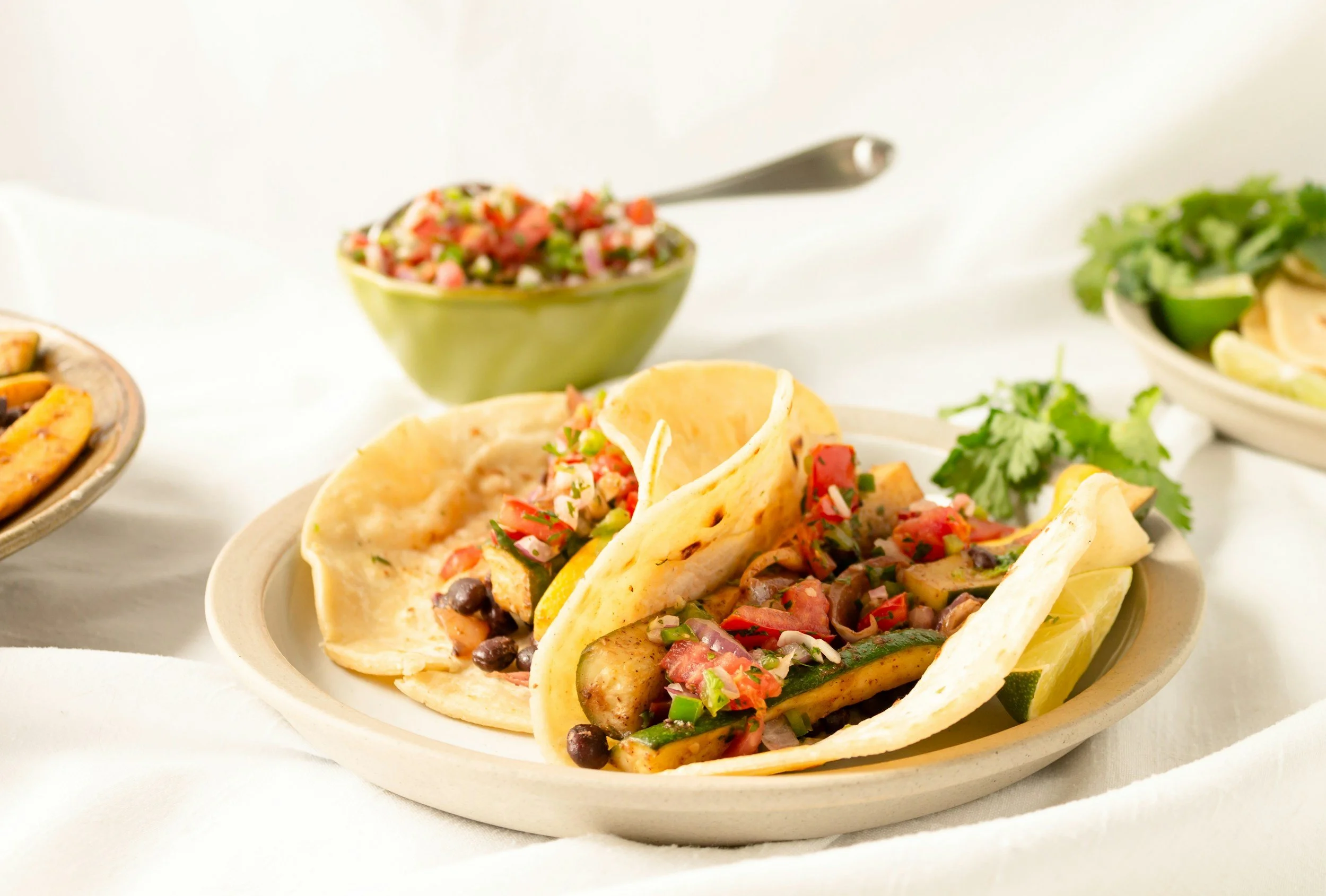
The rise of vegan tacos reflects a broader trend in the food industry toward plant-based diets and sustainable eating. Over the past decade, more people have adopted veganism or reduced their meat intake for health or environmental reasons, leading to a transformation in tacos into a canvas for innovative and delicious plant-based options.
Growing Popularity of Vegan Tacos
Health Consciousness
With an increasing focus on health and wellness, many consumers are turning to plant-based diets. Tacos, traditionally laden with meat, have been reimagined with nutritious ingredients that cater to this demand. Vegan tacos often incorporate whole foods like legumes, grains, and fresh vegetables, appealing to health-conscious eaters.
Environmental Awareness
Concerns about the environmental impact of animal agriculture have led many to seek alternatives. The production of plant-based ingredients generally requires fewer resources and emits less greenhouse gas than meat production. Vegan tacos present a way for consumers to enjoy their favorite foods while being mindful of their ecological footprint.
Culinary Creativity
The taco format is inherently versatile, allowing chefs and home cooks to experiment with flavors and textures. Vegan tacos can include a variety of plant-based proteins such as jackfruit, tempeh, or chickpeas, which mimic the texture of traditional meats. Additionally, innovative toppings and sauces made from nuts, avocados, and spices contribute to an exciting flavor profile.
Cultural Shifts
As global cuisine has become more accessible, diverse ingredients have found their way into vegan tacos. Ingredients like Korean BBQ tofu, spicy lentil mixtures, or roasted cauliflower have gained traction, showcasing the fusion of culinary traditions and making vegan tacos appealing to a wider audience.
Plant-Based Alternatives to Traditional Meat-Filled Tacos

Proteins
Jackfruit: When cooked, jackfruit takes on a pulled pork-like texture, making it a popular choice for vegan taco fillings. It's often seasoned with spices and sauces to enhance its flavor.
Tofu and Tempeh: These soy-based proteins are excellent for marinating and grilling. They absorb flavors well and can be prepared in various styles, from smoky to spicy.
Legumes: Beans, lentils, and chickpeas provide protein and fiber. They can be seasoned and mashed for a hearty filling or made into patties for a unique twist.
Vegetables
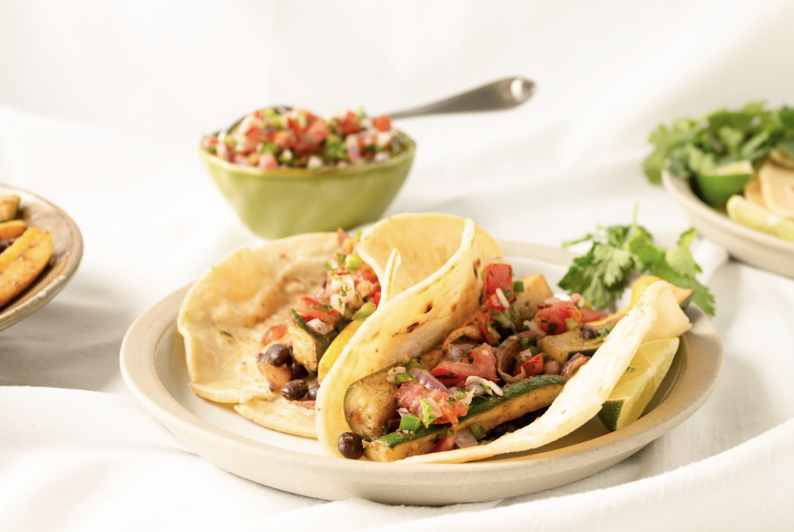
Roasted Veggies: Seasonal vegetables like bell peppers, zucchini, and mushrooms can be roasted and seasoned for a flavorful taco filling.
Cauliflower: Roasted or battered and fried, cauliflower has become a favorite in vegan cuisine, providing a satisfying bite when paired with the right spices.
Toppings and Salsas

Avocado and Guacamole: Creamy avocado and zesty guacamole offer a rich contrast to the spices in the taco filling.
Salsas: Fresh salsas made with tomatoes, mango, pineapple, or corn add brightness and texture. Vegan sour cream or cashew-based dressings also enhance the flavor profile.
Tortillas
Whole Grain and Alternative Tortillas: While corn and flour tortillas remain classics, many brands now offer whole grain or gluten-free options made from alternative grains, such as chickpea or almond flour.
Vegan tacos are not just a passing trend; they represent a significant shift in how we think about food. As more consumers seek plant-based options, tacos provide an excellent platform for creativity, sustainability, and flavor. The evolution of vegan tacos showcases that delicious, satisfying meals can be made without traditional animal products, appealing to vegans, vegetarians, and flexitarians alike. Whether enjoyed from a food truck, a high-end restaurant, or made at home, vegan tacos are changing the taco game, one flavorful bite at a time.