It began as a San Antonio civic project with corporate sponsors and congressional speeches. It vanished, flopped in a fast-food revival, and came back as something smaller and far more popular.
Every October, a flood of free-taco offers lands in American inboxes, and most people assume some marketing department dreamed the whole thing up. That's partly true. But the idea of giving the taco its own spot on the calendar, first a week, then a full month, started somewhere far more interesting: with a civic organizer in San Antonio who saw a tortilla as a political statement.
A tamale for the president
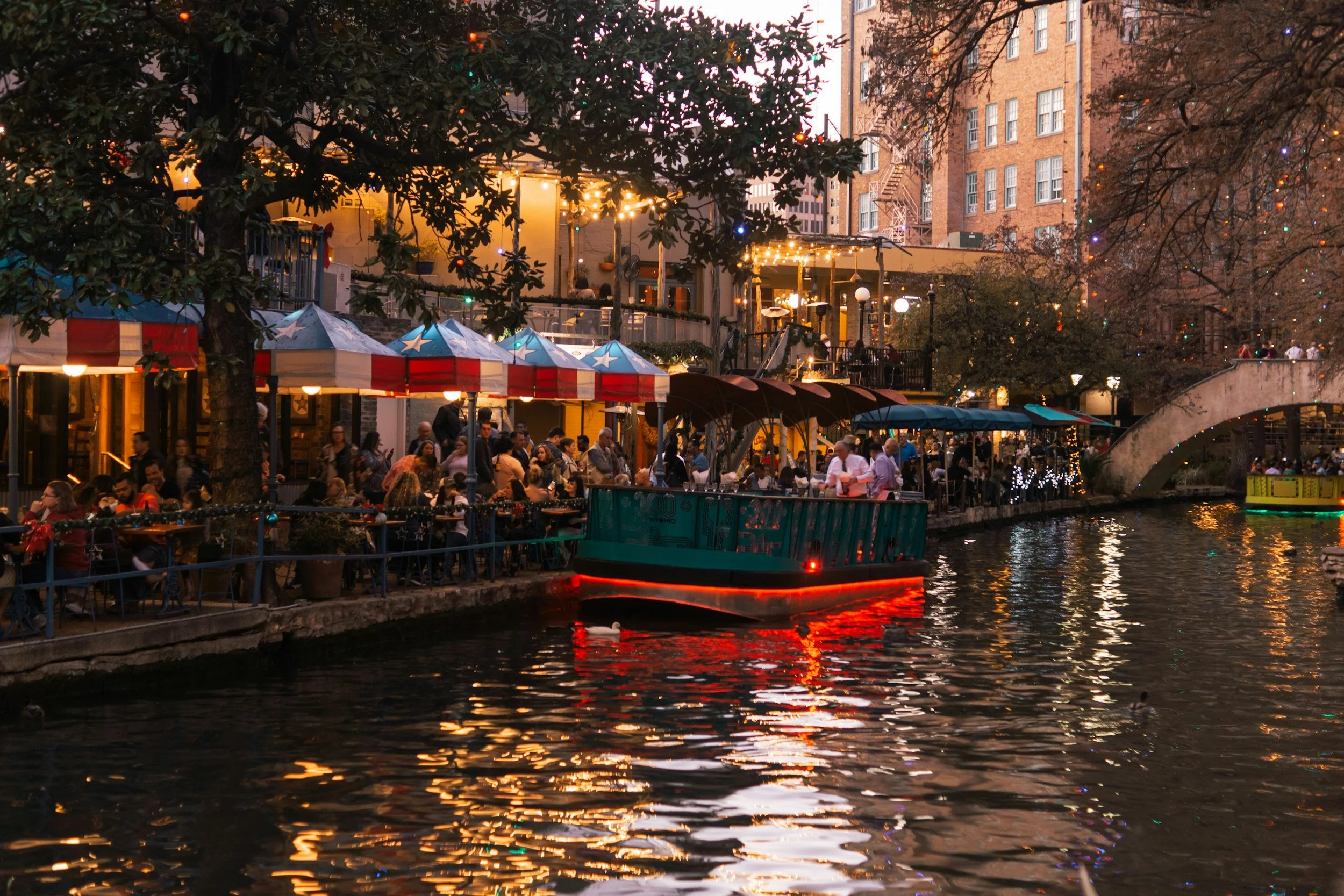
The story begins with Roberto L. Gomez, a San Antonio society columnist and onetime city council candidate who led the San Antonio Social Civic Organization, known as SASCO. The group had been part of the "Viva Kennedy" effort that helped turn out Mexican-American voters for John F. Kennedy in 1960. In 1961, SASCO shipped the new president a 48-pound tamale for his birthday. The stunt made papers across the country, and Gomez kept going: a candy-filled donkey piñata, an oversized praline, and in 1964 a 55-pound taco for Lyndon B. Johnson.
The gifts were playful, but the message was serious. Mexican Americans were a constituency worth courting. Out of that work came the National Taco Council, which promoted San Antonio's Mexican restaurants alongside pride in Mexican culture itself.
From a week to a month
In 1967, Gomez and a group of local restaurateurs persuaded San Antonio to declare the days before Cinco de Mayo National Taco Week. A year later, Congressman Henry B. Gonzalez took the idea to the House floor, set the week as April 28 through May 4, and pinned National Taco Day to May 3, which happened to be his own birthday. Gonzalez went as far as calling the taco the highest form of a tortilla.
Texas Governor Preston Smith made Taco Week a statewide observance in 1969, and chains like Taco Tico and Jack in the Box started running Taco Week discounts well outside Texas.
Then, in 1974, Texas stretched the celebration into a full National Taco Month. This time it came with real corporate money behind it. Kraft Foods, Carta Blanca beer, Pearl Brewing and the Texas Executive Chefs' Association all signed on as sponsors. Gonzalez went back to Congress to promote it, inviting his colleagues to visit San Antonio and learn that "every day is taco day" there.
Did it work?
For a few years, it did. The Taco Council became a required stop for any politician passing through San Antonio. On the eve of National Taco Month in 1976, Senator Lloyd Bentsen told a rally of more than 1,000 supporters that he had started his day with a bean taco and planned to end it with another one. The council kept up its giant-food diplomacy too, presenting Cheech & Chong with an 18-foot taco for their youth voter registration work and sending a 110-pound chalupa to Jimmy Carter's campaign.
But the month never outgrew its founder. Writing for L.A. Taco, Gustavo Arellano, author of Taco USA, found no trace of the National Taco Council in newspaper archives after 1980. Gomez struggled with his health late in the decade and died in 1983 at just 49. National Taco Month quietly disappeared with him.
Taco Bell's false start
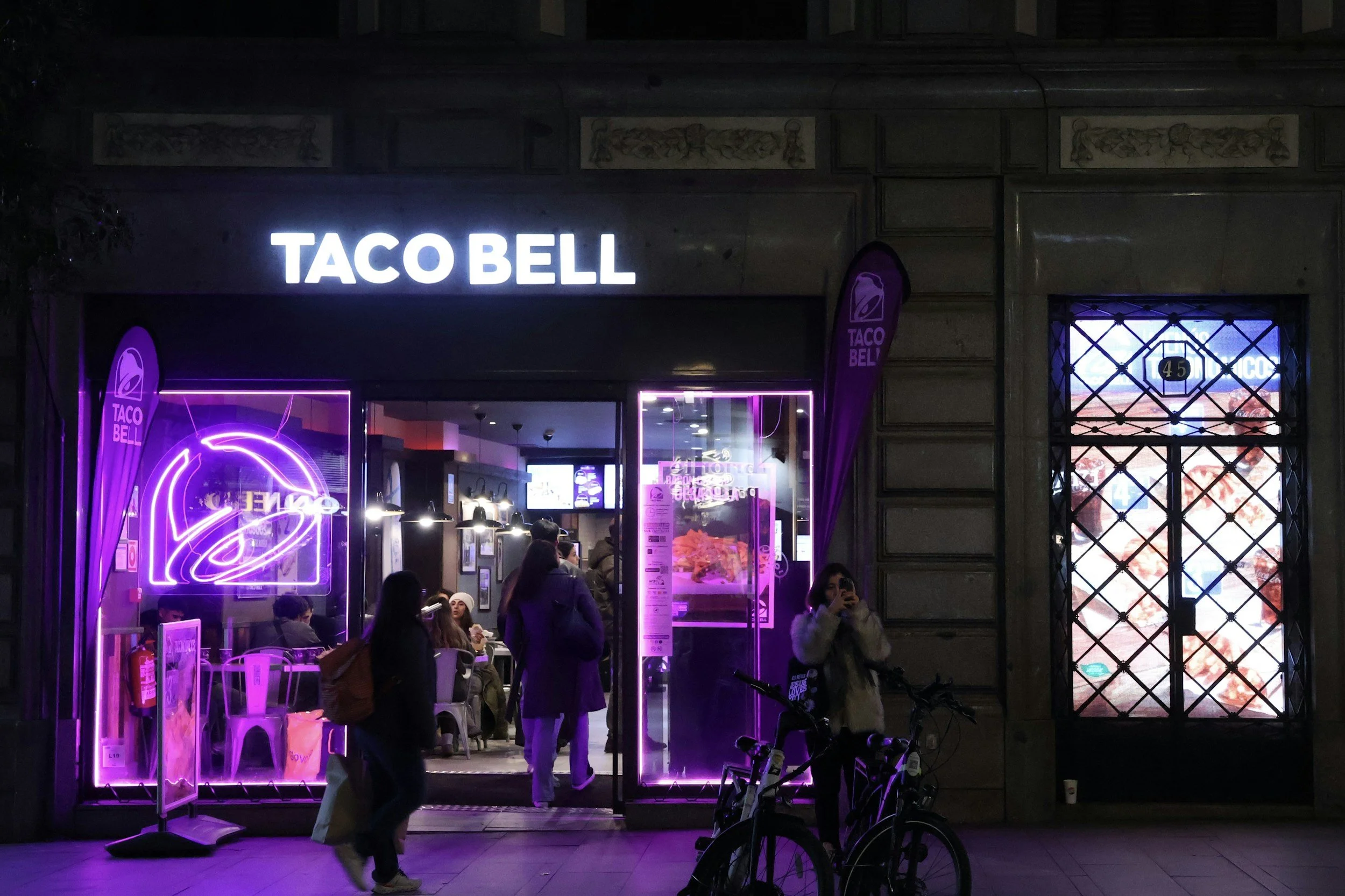
In 1989, Taco Bell tried to bring the idea back, running a National Taco Month promotion across California. A company marketing manager told the San Francisco Examiner it was mostly an excuse to have fun. If the campaign sold any extra tacos, the record doesn't show it. Arellano found nothing beyond that single newspaper mention, and no chain is documented celebrating a taco week or month again for more than a decade.
The day that took the month's place
What survived was the day, and it took a long and messy road to get here. In 2000, the Austin chain Chuy's applied to trademark "National Taco Day" and set it on June 12. The application was rejected, and Chuy's never refiled. Around 2004, books and websites started listing October 4 instead, for reasons nobody has fully explained. The date finally stuck in 2009, when Del Taco put out a press release calling on the country to celebrate on October 4. San Antonio's own Taco Cabana adopted the date in 2010, and within a year newspapers nationwide were rounding up taco deals for it. By 2013, it was locked in on the National Day Calendar.
In 2024, Taco Bell finally got the win its 1989 campaign never did. Fresh off its 2023 fight to free the phrase "Taco Tuesday" from trademark, the chain lobbied National Day Calendar to move National Taco Day permanently to the first Tuesday in October. The calendar's founder, Marlo Anderson, called the new date "the Taco Tuesday of all Taco Tuesdays."
So how successful was it?
Judged as a month, National Taco Month was a real but short-lived success in 1970s Texas and never caught on much beyond it. Judged by its descendant, it's one of the most dependable dates on the restaurant calendar.
Industry foot traffic data published early this year pointed to National Taco Day promotions, alongside the return of a popular menu item, as one reason Taco Bell posted its largest and most consistent visit growth of the final quarter of 2025. This year, Taco Bell and Duolingo branded the October 6 holiday Global Taco Day, the first time the celebration officially went international, with giveaways in both the U.S. and the U.K.
The timing was delicate. In July, a multistate cyclospora outbreak initially tied to lettuce served at Taco Bell sent the chain's visits down roughly 21 percent from the year before. (The CDC later determined the lettuce link was a false positive.) By the week of October 5, Placer.ai found that gap had shrunk to under 2 percent, and Taco Bell said sales were back to normal in October. Notably, the company credited its returning Decades Menu for that recovery rather than the holiday, a reminder that a single day of $1 tacos can lift a month but can't carry one.
That's the legacy in brief. The sponsors, the congressional speeches and the giant tacos have mostly faded from memory, and the civic purpose Gomez built the celebration around faded with them. Critics like Arellano argue that's exactly the problem: a celebration of Mexican-American pride turned into a coupon. But the core argument Gomez made in 1967, that the taco deserved a place on the national calendar, won outright. It just took a fast-food chain, a press release and a Tuesday to get there.
Sources: Gustavo Arellano, "The True Story of How National Taco Day Was Invented, Then Appropriated," L.A. Taco; Nation's Restaurant News; Taco Bell newsroom; Placer.ai; NACS Daily; Scripps News; El Restaurante; The Old Farmer's Almanac.