
Let’s Talk About It
The History of Tacos: From Mexico to the World
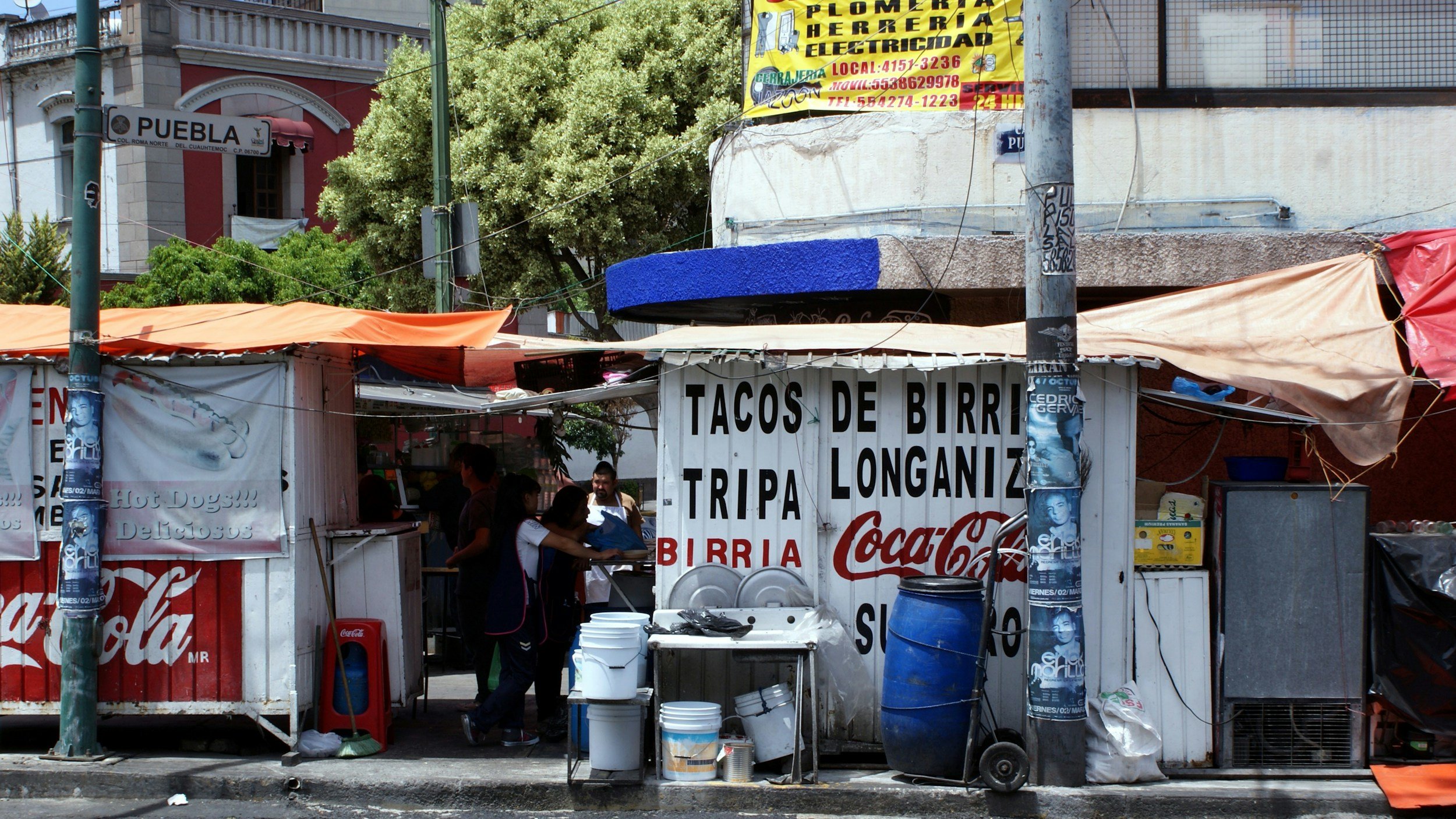
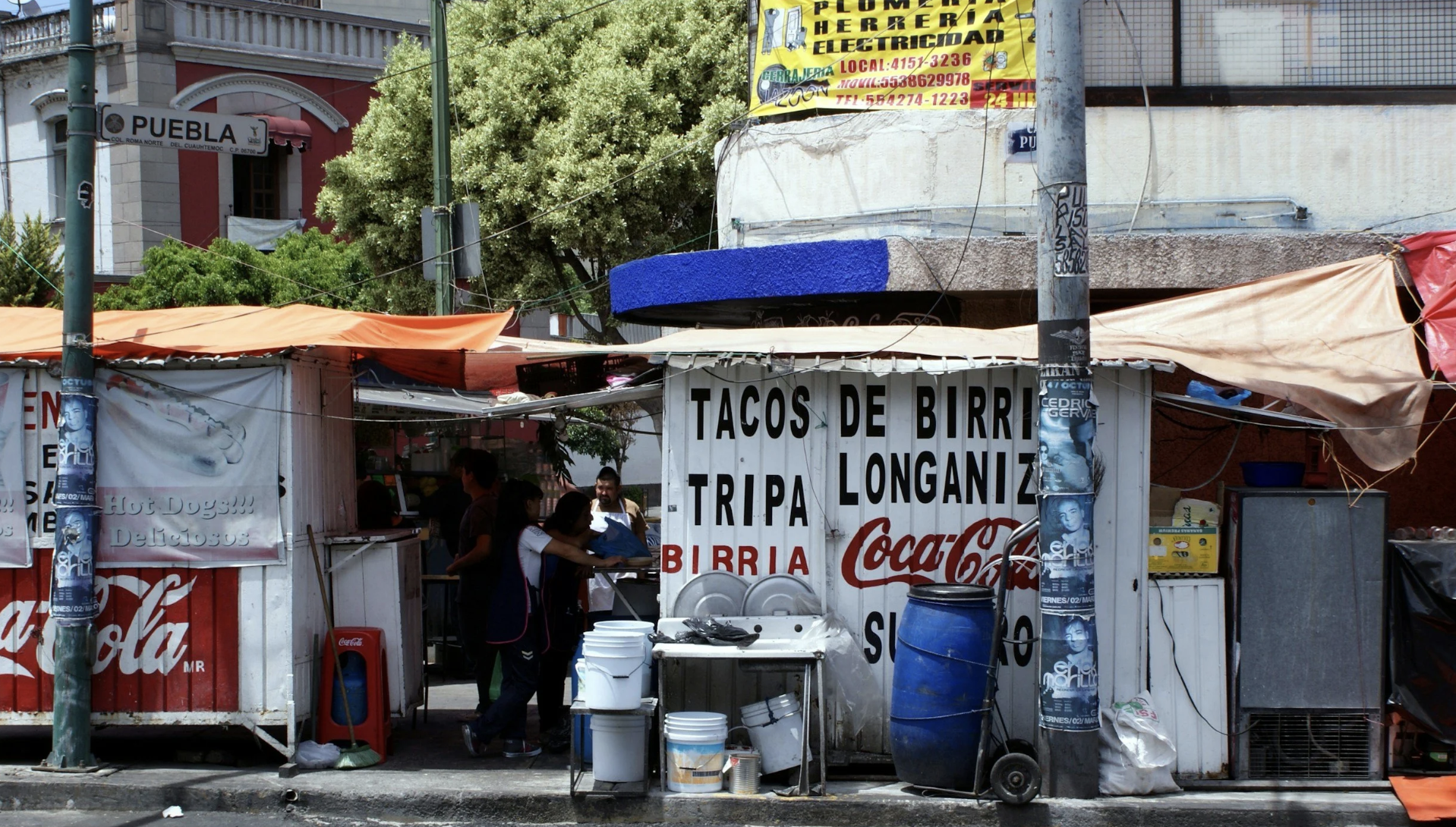
Tacos in Mexico
The humble taco, now a global favorite, has a rich history deeply intertwined with Mexico’s culture and culinary evolution. From its ancient origins to its journey across borders, the taco has transcended its humble beginnings to become a symbol of Mexican cuisine on the world stage. This article explores the origins of tacos in Mexico, their cultural significance, and how they journeyed from the streets of Mexico to become a worldwide phenomenon.
Origins of the Taco in Mexico
The origins of the taco are difficult to pinpoint with absolute certainty, but the tradition of using tortillas as a vessel for food dates back centuries in Mexico. The term "taco" is derived from the Nahuatl word “tlahco,” meaning “half” or “in the middle,” referring to the way food was placed inside a tortilla. The indigenous peoples of Mesoamerica, including the Aztecs, filled tortillas with a variety of ingredients, such as small fish, beans, squash, and insects.
When the Spanish arrived in Mexico in the 16th century, they introduced new foods—most notably domesticated meats like pork, beef, and chicken, which were not native to the region. These new ingredients began to mix with the pre-Columbian staples, transforming traditional indigenous dishes. Tacos began to evolve into the versatile food they are today, with diverse fillings and preparations.
One of the earliest recorded uses of the word "taco" in the context of food dates back to the 18th century, referring to “tacos de minero” or “miner’s tacos”—a simple tortilla wrapped around fillings like explosive charges used by miners to extract ore from silver mines in Mexico.
Tacos and Mexican Culture
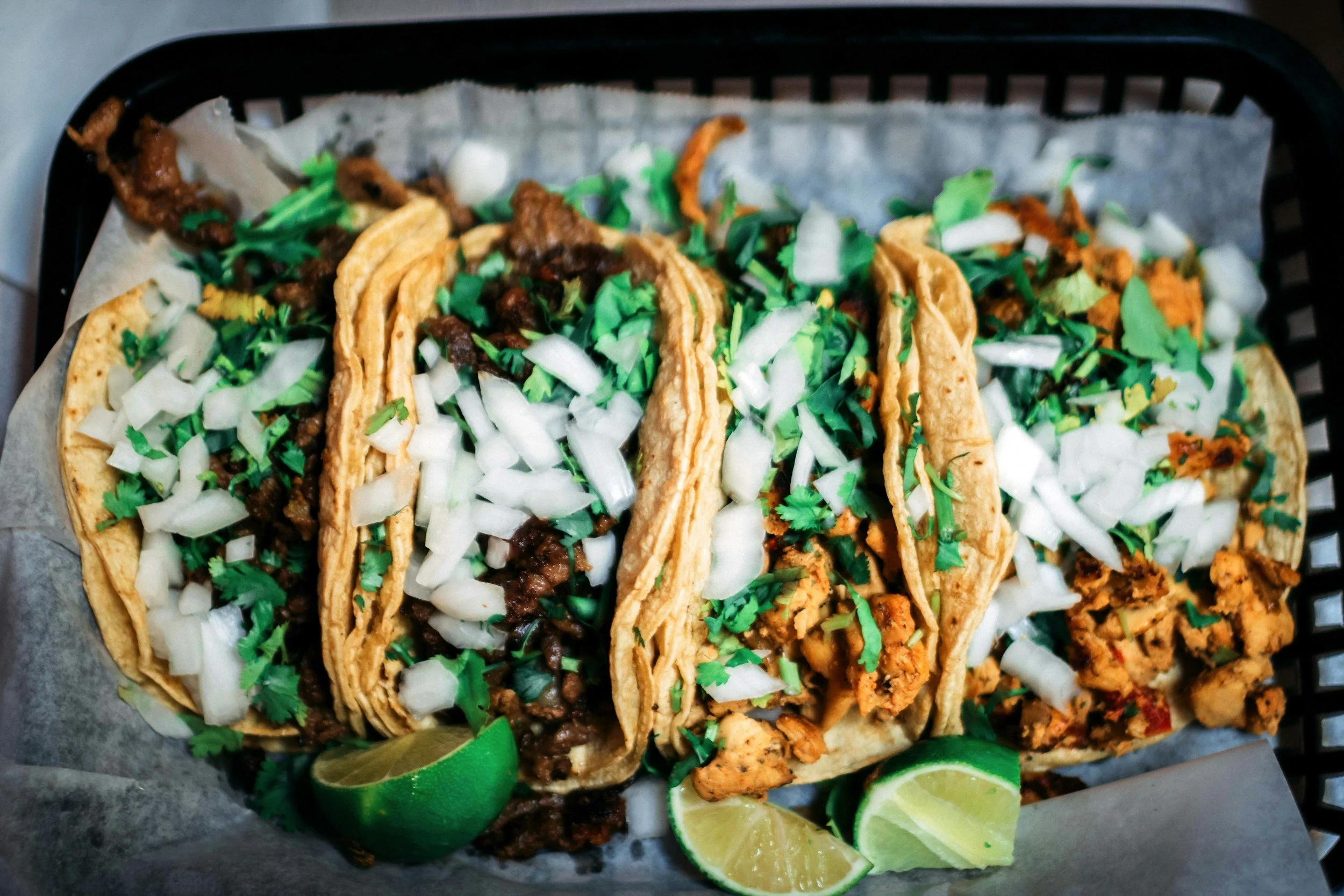
In Mexico, the taco quickly became more than just food—it became a cornerstone of daily life and culture. As street food culture blossomed in Mexican cities, tacos were sold at taquerías and street stalls, providing a quick, affordable, and flavorful meal for workers and families alike. Over time, tacos developed regional distinctions, reflecting the geography and agricultural diversity of Mexico.
For instance, in central Mexico, tacos al pastor—made with marinated pork cooked on a vertical spit—were influenced by Lebanese immigrants who brought their shawarma-style cooking to Mexico. In Michoacán, tacos de carnitas, made with slow-cooked pork, became a regional favorite. In the north, tacos de barbacoa, traditionally made with lamb or beef cooked slowly in an underground pit, carried indigenous traditions of long, slow cooking into the present day.
Tacos became a food that cut across all classes and occasions, from the simplest street vendor offerings to more elaborate versions served in upscale restaurants. The flexibility of the taco as a dish—able to be customized with different ingredients, salsas, and sides—meant that it could easily adapt to different tastes, making it a food that appealed to everyone.
How Tacos Spread Beyond Mexico
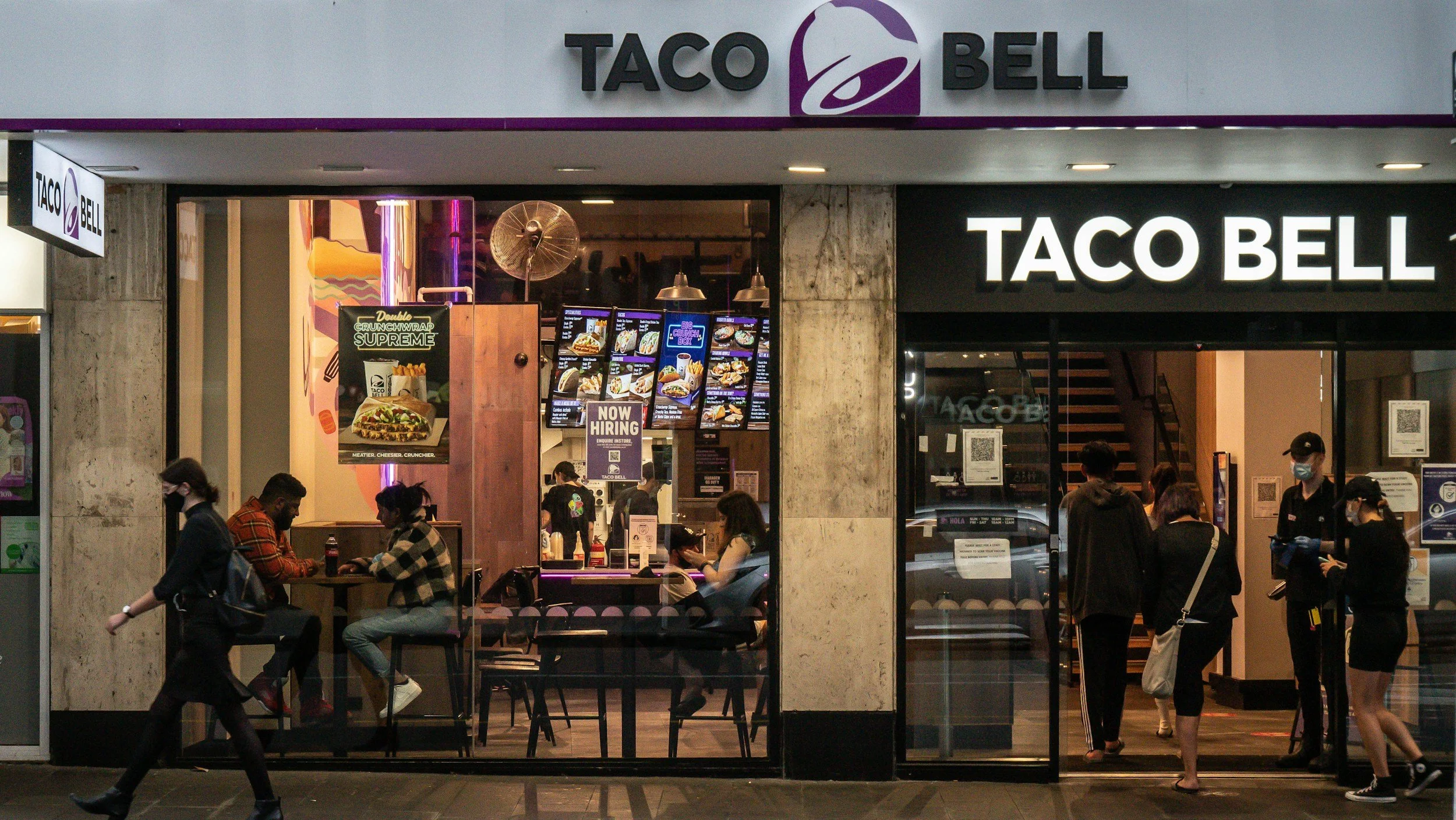
Taco Bell
The taco’s migration beyond Mexico began in earnest in the early 20th century, as Mexican immigrants introduced their culinary traditions to the United States. The U.S. Southwest, in particular, became an early hotspot for the taco as Mexican communities settled in Texas, California, and Arizona, bringing their recipes and food culture with them.
One of the most pivotal moments in the global spread of tacos occurred in 1962, when Glen Bell founded Taco Bell in California. Bell’s vision was to bring tacos to a mainstream American audience by simplifying them into a fast-food product that would be easy to replicate. While Taco Bell’s hard-shell tacos and processed fillings bore little resemblance to the authentic Mexican tacos of street vendors, the brand was instrumental in introducing the concept of tacos to millions of people outside of Mexican-American communities. Through fast-food chains like Taco Bell, the taco became an icon of Mexican food abroad, even as it was Americanized to suit mainstream tastes.
However, this was only the beginning of tacos' global journey. In the late 20th and early 21st centuries, as global tastes shifted toward more artisanal, street-style foods, tacos saw a resurgence in popularity in their more traditional forms. Food trucks and taco stands in cities like Los Angeles, Austin, and New York began to offer more authentic versions of tacos, using fresh ingredients and hand-made tortillas.
Tacos also found new life in international fusion cuisine. As the taco spread to Europe, Asia, and beyond, chefs began experimenting with the dish, adapting it to local ingredients and culinary styles. In places like Seoul, Korean BBQ tacos emerged, combining grilled meats with spicy kimchi in a fusion of Mexican and Korean flavors. In India, tandoori chicken tacos and paneer tacos became popular, blending the spices and traditions of Indian cooking with the simple tortilla wrap.
The Taco's Global Popularity
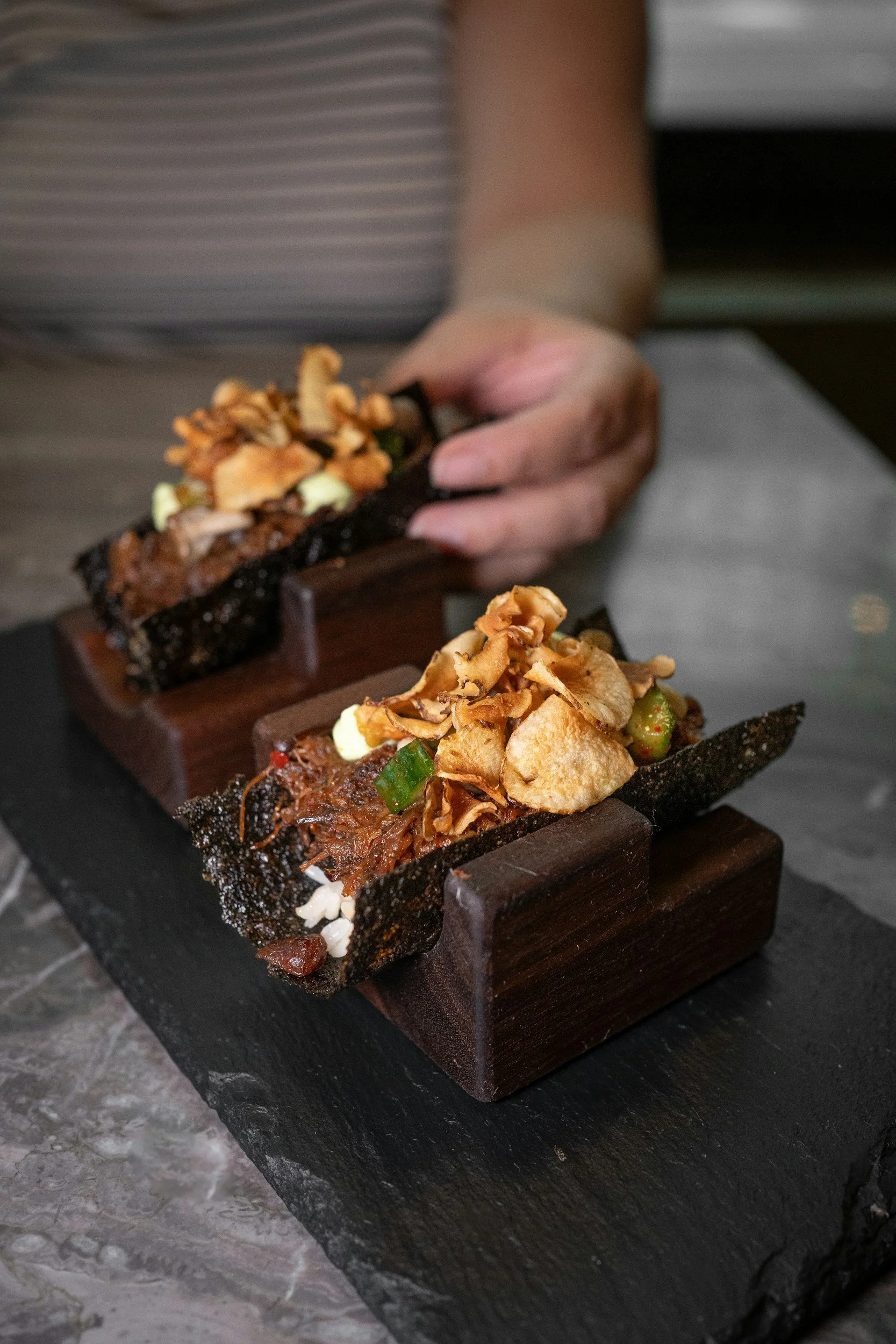
Today, tacos are a global culinary phenomenon. Whether served in Michelin-starred restaurants or by street vendors in small towns, tacos have crossed borders and blended with diverse food cultures. In places like London, Paris, and Tokyo, authentic Mexican taquerías have popped up, serving a variety of traditional taco styles. At the same time, fusion versions continue to thrive, combining local tastes with the classic taco format.
The taco’s global popularity can be attributed to its adaptability. It is a dish that can be tailored to fit different palates, ingredients, and cultural contexts. From its indigenous roots in the Valley of Mexico to its widespread consumption around the world, the taco has evolved while maintaining its identity as a simple, portable, and delicious meal.
Conclusion: The Enduring Legacy of Tacos
The journey of the taco from Mexico to the world is a story of cultural exchange, adaptation, and evolution. While its forms and flavors have changed along the way, the essence of the taco remains the same: a tortilla filled with a delicious variety of ingredients, reflecting the culinary traditions of both Mexico and the many places the taco has traveled. Today, whether served from street vendors in Mexico City or gourmet chefs in international capitals, the taco continues to delight and surprise, a testament to its timeless appeal.
Exploring Regional Taco Styles: A Taco Tour of Mexico
Mexico is a land of rich culinary traditions, with tacos as one of the country's most beloved foods. Each region has its own take on this versatile dish, reflecting local ingredients, traditions, and flavors. Let's embark on a taco tour of Mexico, highlighting some of the most famous regional styles.

Famous Regional Taco Styles in Mexico
1. Tacos al Pastor (Central Mexico)
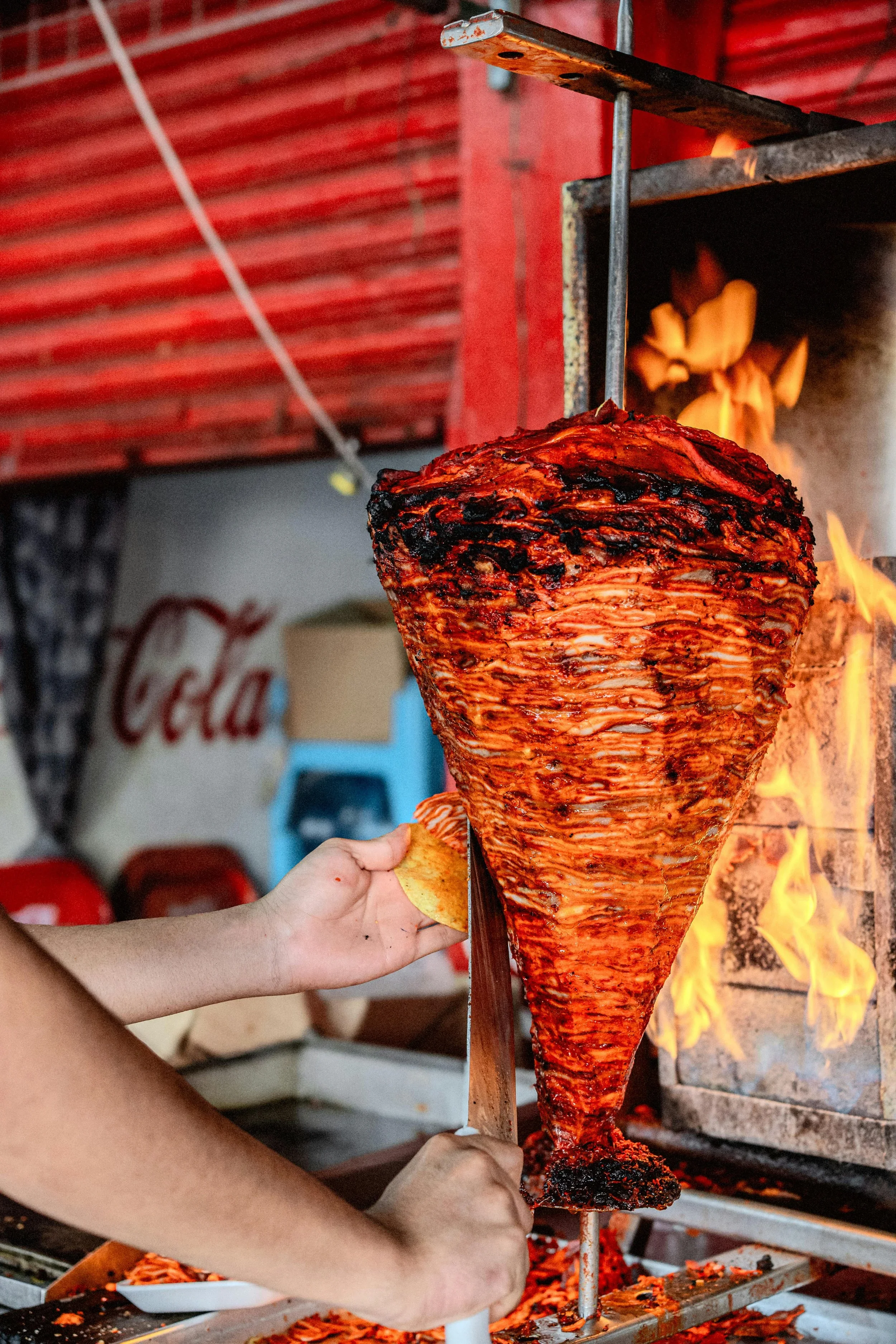
Originating in Mexico City, Tacos al Pastor are heavily influenced by the Lebanese immigrants who brought shawarma to the region. Thin slices of pork are marinated in a mixture of dried chilies, spices, and pineapple, and then cooked on a vertical spit, much like shawarma. The meat is shaved off in thin, crispy layers and served on small corn tortillas. They're typically topped with pineapple, onions, cilantro, and a squeeze of lime.
Must-Try Region: Mexico City and the surrounding central region.
2. Baja Fish Tacos (Baja California)
Hailing from the coastal region of Baja California, Baja Fish Tacos are a delightful fusion of Mexican and coastal flavors. Typically made with lightly battered and fried white fish like cod or mahi-mahi, the tacos are served on soft corn tortillas and topped with a creamy cabbage slaw, pico de gallo, and a tangy white sauce, often made from mayonnaise, sour cream, and lime juice. This style highlights the region's abundance of fresh seafood.
Must-Try Region: Ensenada and Tijuana.
3. Tacos de Canasta (Central Mexico)
Also known as "basket tacos", Tacos de Canasta are a popular street food in Mexico City. These soft, steamed tacos are filled with simple ingredients like potatoes, refried beans, chicharrón (fried pork skin), or adobo, and are prepared in bulk. They're placed in a basket lined with cloth to keep them warm, then doused with oil or salsa to keep them moist. Vendors often carry the baskets around on bicycles, serving them to customers on the go.
Must-Try Region: Mexico City and surrounding areas.
4. Tacos de Barbacoa (Central Mexico)
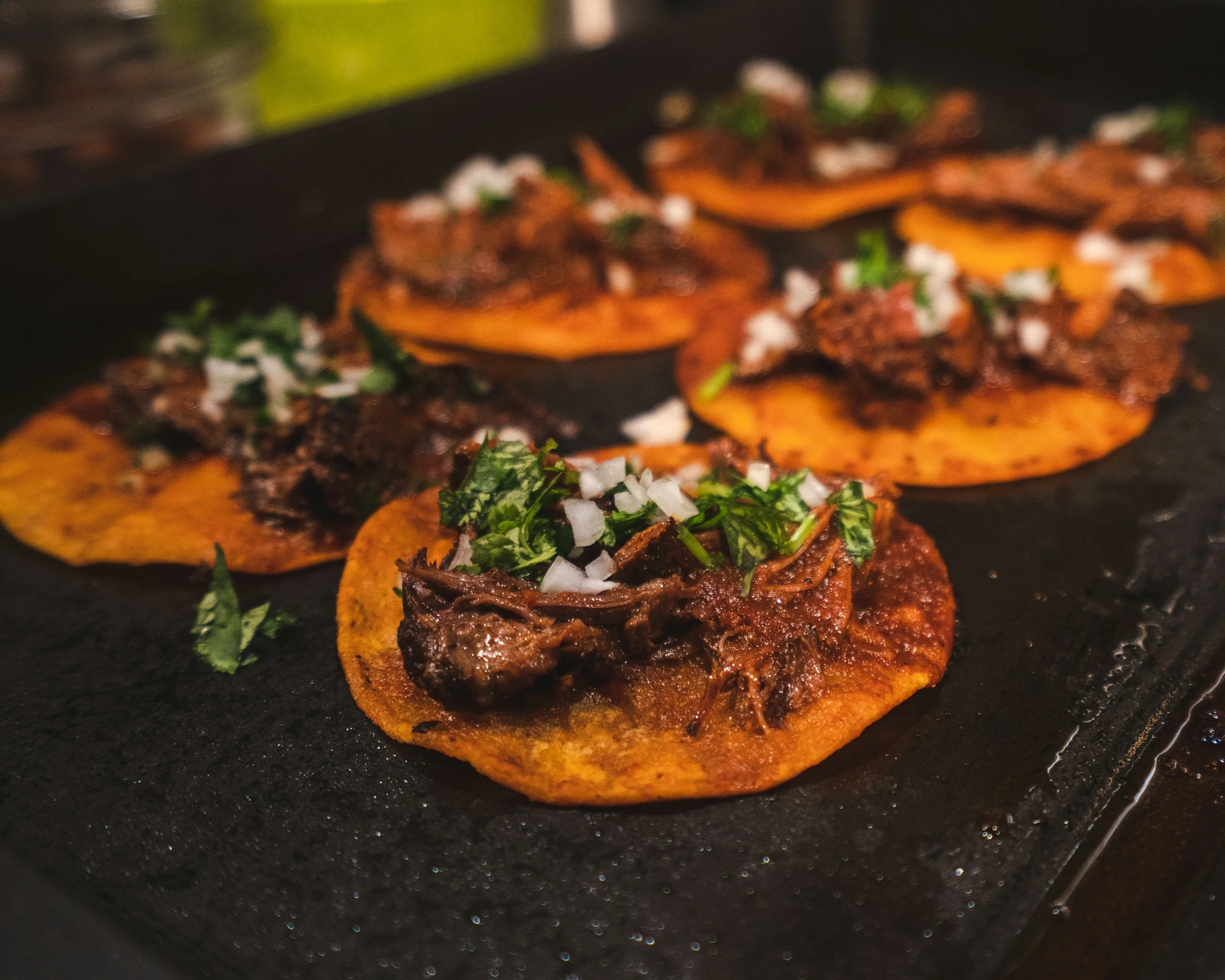
Barbacoa refers to the slow-cooked, tender meat traditionally made from lamb or goat, but today can also include beef. The meat is slow-cooked in an underground pit covered with maguey leaves, resulting in a juicy, flavorful filling. These tacos are typically served with fresh cilantro, onions, and salsa, and are a weekend favorite, especially around breakfast time.
Must-Try Region: Hidalgo and Mexico State.
5. Tacos de Carnitas (Michoacán)
Carnitas are Mexico's version of slow-cooked pulled pork, originating from the state of Michoacán. The pork is slowly cooked in its own fat until tender, then crisped up before being shredded and served on warm tortillas. They are typically paired with fresh cilantro, onions, lime, and a variety of salsas.
Must-Try Region: Michoacán.
6. Tacos de Cochinita Pibil (Yucatán)
From the Yucatán Peninsula, Cochinita Pibil is a centuries-old dish made from pork marinated in achiote (annatto seed), citrus, and spices, then slow-roasted in banana leaves. The result is a deeply flavorful and tender meat that’s served on tortillas and garnished with pickled red onions, habanero salsa, and lime.
Must-Try Region: Mérida and the Yucatán Peninsula.
7. Tacos Gobernador (Sinaloa)
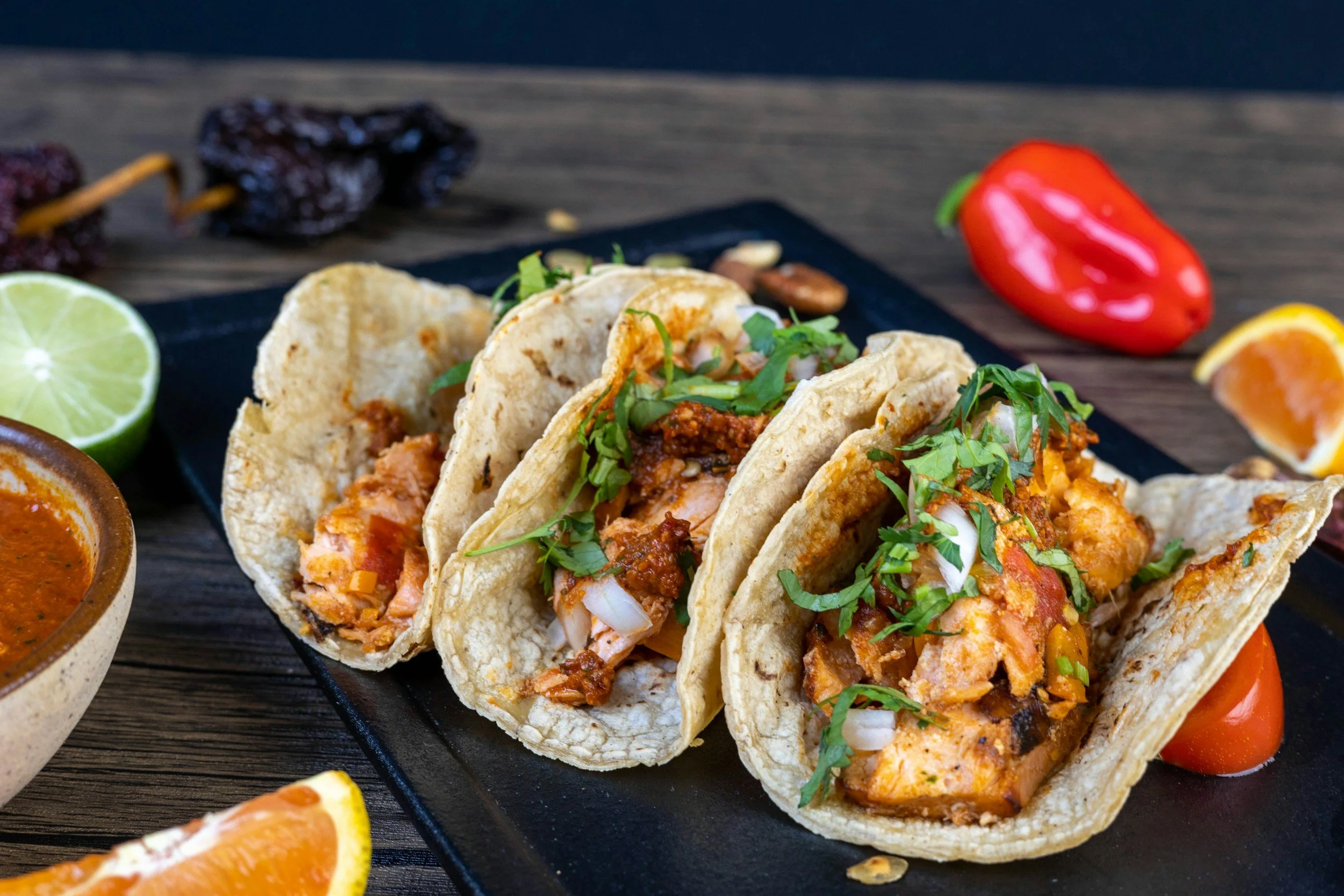
Tacos Gobernador are a relatively recent invention but have quickly become a favorite in Sinaloa. They are filled with a combination of shrimp sautéed with onions, peppers, and melted cheese, creating a creamy and savory taco. Legend has it that they were named after a governor who requested a shrimp taco from a local chef.
Must-Try Region: Mazatlán, Sinaloa.
8. Tacos de Asada (Northern Mexico)
In northern Mexico, where cattle ranching is a way of life, Tacos de Asada (grilled beef tacos) are a staple. Skirt steak or flank steak is marinated, grilled to perfection, and sliced thin. The tacos are served on flour tortillas (common in the north) and topped with simple ingredients like onions, cilantro, and salsa.
Must-Try Region: Monterrey, Chihuahua, Sonora.
9. Tacos Arabes (Puebla)
A fascinating blend of Middle Eastern and Mexican flavors, Tacos Arabes are thought to have been created by Lebanese immigrants who arrived in Puebla in the 20th century. The meat is typically spiced lamb or pork cooked on a vertical spit, similar to shawarma. Instead of corn tortillas, these tacos are served on thick, flour-based pita bread, giving them a unique texture.
Must-Try Region: Puebla.
10. Tacos de Birria (Jalisco)
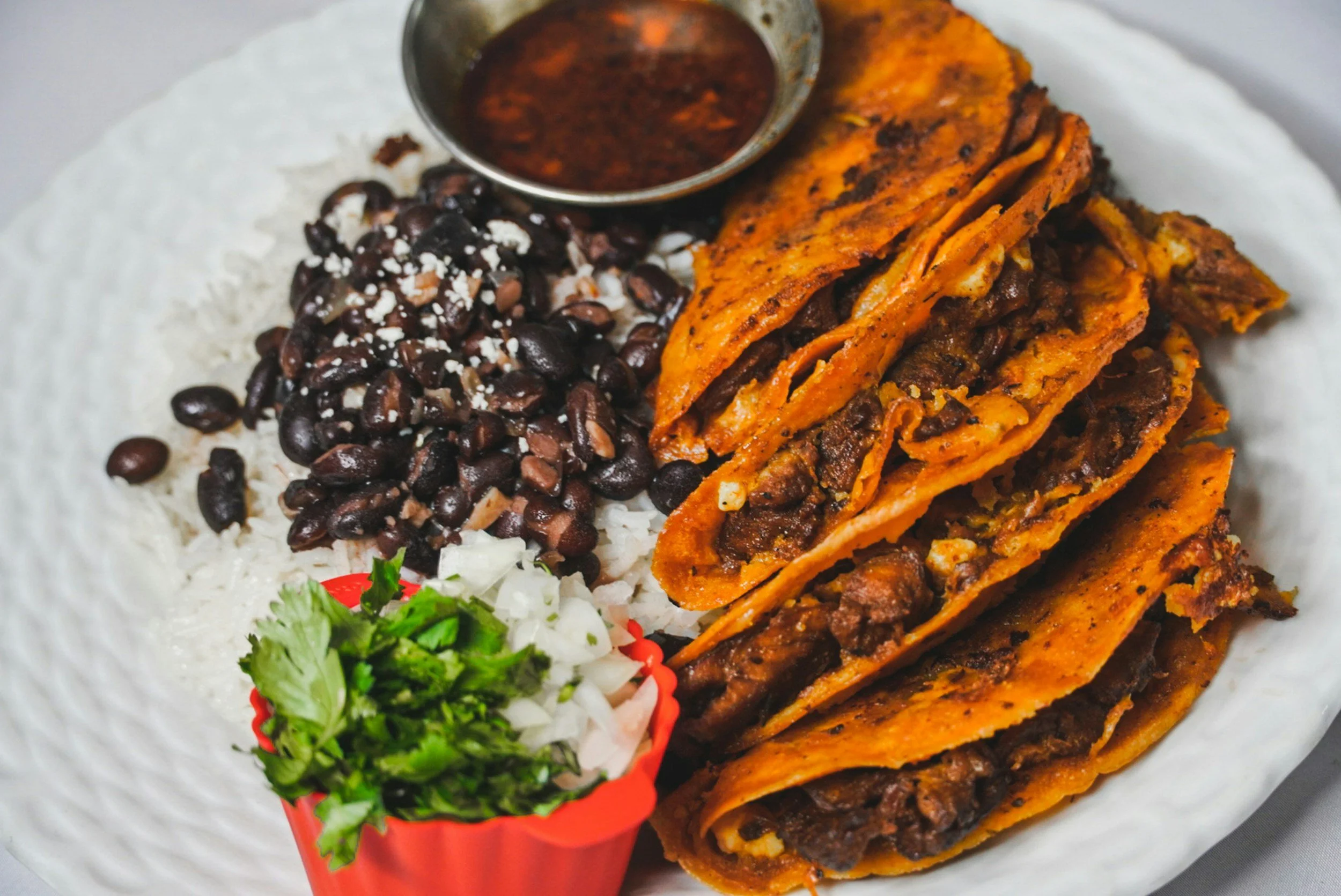
Birria, a spicy stew typically made with goat or beef, is slow-cooked and marinated in a rich broth of chilies and spices. The meat is shredded and served in tacos, sometimes alongside a bowl of the stew for dipping. Recently, Birria de Res (beef birria) tacos have gained international fame, especially when served with melted cheese and dipped in consomé.
Must-Try Region: Guadalajara and Tijuana.
This taco tour of Mexico highlights how diverse and regionally specific tacos can be. Whether it’s the coastal freshness of a Baja fish taco or the deep, earthy flavors of cochinita pibil, each taco tells the story of its region and history. The next time you're in Mexico, don't miss the opportunity to explore these incredible regional taco styles!