Let’s Talk About It
Taco Pairings: What Drinks Go Best with Tacos?
Tacos are one of the most versatile and beloved foods, offering endless possibilities for fillings, toppings, and flavor combinations. Whether you prefer traditional Mexican-style tacos or fusion varieties, a perfect drink can elevate your taco experience. Choosing the right beverage can complement the flavors of the tacos, whether they are spicy, savory, or mild. Alcoholic options like margaritas and beers are popular choices, but non-alcoholic beverages like horchata and aguas frescas are equally delicious. Here’s a guide to the best drink pairings for tacos that range from refreshing and crisp to rich and complex.
Best Alcoholic Pairings
Tacos w/ Margarita
Margaritas and Tacos
Classic Margarita: The tangy lime and tequila of a classic margarita are perfect for tacos with bold flavors like carne asada or spicy chicken. The acidity cuts through the richness of the meat, balancing the overall flavor.
Spicy Margarita: For heat lovers, a spicy margarita with jalapeños or habanero enhances the fire in tacos like al pastor or chorizo, creating a bold and exciting pairing.
Fruit Margaritas (Mango, Watermelon, or Strawberry): The sweetness of a fruit margarita is a great counterbalance to savory or spicy fillings, especially with seafood tacos like shrimp or fish.
Beer and Tacos
Mexican Lagers (Corona, Modelo, Pacifico): Light and crisp Mexican lagers are a classic pairing for tacos of any variety. Their refreshing taste and low bitterness allow the flavors of the taco to shine without overpowering them.
IPAs: Hoppier and more citrus-forward, IPAs pair well with spicier tacos, like pork carnitas, where the bitterness can handle intense, savory flavors.
Michelada: A Mexican beer cocktail made with lime, hot sauce, and tomato juice, Michelada offers a tangy, spicy refreshment that complements any taco, particularly those with bold, spicy fillings.
Tequila Shots or Mezcal
Tequila Blanco or Reposado: A neat shot of tequila, whether blanco or reposado, pairs beautifully with grilled meats or barbacoa tacos. The agave flavors meld well with fresh toppings like lime, cilantro, and onion.
Mezcal: The smoky character of mezcal enhances grilled or smoky taco fillings, such as grilled vegetables or chipotle-marinated meats, adding depth to every bite.
Non-Alcoholic Pairings
Tacos w/ Horchata
Horchata
This sweet, creamy cinnamon rice milk drink is a soothing balance to spicier tacos, like carne asada or spicy chicken. The rich sweetness helps cool the palate, making it a refreshing choice.
Aguas Frescas
Jamaica (Hibiscus): The tart and floral notes of hibiscus agua fresca provide a refreshing contrast to the savory richness of carnitas or barbacoa tacos.
Tamarind: The tangy sweetness of tamarind pairs well with grilled meats, complementing the charred, smoky flavors of tacos al pastor.
Cucumber-Lime: Light and crisp, cucumber-lime agua fresca works wonderfully with lighter taco fillings like fish or shrimp, offering a cooling balance to their flavors.
Sodas
Jarritos: Available in fruity flavors like mandarin, lime, and grapefruit, Jarritos offer a sweet, fizzy contrast to spicy taco fillings. The bubbles refresh the palate between bites.
Mexican Coca-Cola: Made with cane sugar, Mexican Coca-Cola has a smoother taste that pairs especially well with rich taco fillings like pork or beef, cutting through the heaviness with its sweetness.
Iced Tea
Citrus Iced Tea: Lightly sweetened iced tea with hints of lemon or lime provides a crisp and refreshing accompaniment to tacos filled with fresh ingredients like pico de gallo, avocado, and grilled meats.
These pairings, whether alcoholic or non-alcoholic, enhance the taco experience by highlighting the rich, savory, and spicy elements of each bite. Whether you're a fan of traditional flavors or looking for a modern twist, there’s a drink to complement every type of taco.
The Ultimate Guide to Taco Spices and Seasonings
Tacos are a versatile dish, but the key to making them truly delicious lies in the seasoning. The right blend of spices transforms any taco filling, whether it's beef, chicken, or vegetables, into a mouthwatering experience. Understanding how to use each spice will help you create the perfect homemade taco seasoning. With just a few basic ingredients, you can make a mix that is fresher and more flavorful than anything store-bought. Here’s a breakdown of the essential taco seasonings and how to use them for the best flavor.
Essential Spices for Taco Seasoning
1. Cumin
Cumin brings a warm, earthy flavor that is at the heart of any taco seasoning. Use ground cumin for convenience or toast and grind whole seeds for extra depth. Add 1-2 teaspoons to your mix for a smoky base. Toasting cumin briefly before grinding intensifies its flavor.
2. Chili Powder
Chili powder gives your tacos a mild heat with a touch of sweetness and smokiness. It’s often a mix of chilies and spices, making it essential to any taco blend. Use 2-3 teaspoons depending on how much spice you like. To increase the heat, add a pinch of cayenne.
3. Paprika
Paprika adds a vibrant red color and a subtle sweetness. Smoked paprika can enhance the flavor of grilled tacos. Add about 1 teaspoon to your mix, and choose between regular, smoked, or hot paprika based on your preference.
4. Garlic Powder
Garlic powder delivers a concentrated, savory flavor that’s easy to distribute in a seasoning blend. It’s perfect for those who want the taste of garlic without the hassle of fresh cloves. Add 1 teaspoon for that bold, garlicky kick.
5. Onion Powder
Onion powder is another key to building flavor, giving a sweet, savory taste to the seasoning. Just like garlic powder, it mixes well with other spices. Use 1 teaspoon in your taco seasoning.
Other Key Taco Seasoning Ingredients
Oregano (Mexican Oregano): Adds a citrusy, herbal flavor to the mix. Use 1/2 teaspoon.
Salt: Enhances all the flavors. Add about 1 teaspoon.
Black Pepper: Adds a subtle heat. Use 1/2 teaspoon.
Cayenne Pepper (Optional): For extra heat, add 1/4 teaspoon.
Ground Coriander (Optional): Provides a light citrus flavor. Use 1/2 teaspoon.
Easy Homemade Taco Seasoning Recipe
For 1 pound of meat or vegetables:
2 teaspoons chili powder
1 teaspoon cumin
1 teaspoon paprika (or smoked paprika)
1/2 teaspoon garlic powder
1/2 teaspoon onion powder
1/2 teaspoon oregano
1 teaspoon salt
1/4 teaspoon black pepper
Optional: 1/4 teaspoon cayenne for heat
Tips for the Best Taco Flavor
Adjust the salt and heat to your taste preference.
Use fresh spices for maximum flavor.
Customize the mix by adding more smoked paprika for a smoky flavor or cayenne for more heat.
This easy-to-make taco seasoning will elevate any taco dish and can be used on a variety of proteins and vegetables!
The History of Tacos: From Mexico to the World
Tacos in Mexico
The humble taco, now a global favorite, has a rich history deeply intertwined with Mexico’s culture and culinary evolution. From its ancient origins to its journey across borders, the taco has transcended its humble beginnings to become a symbol of Mexican cuisine on the world stage. This article explores the origins of tacos in Mexico, their cultural significance, and how they journeyed from the streets of Mexico to become a worldwide phenomenon.
Origins of the Taco in Mexico
The origins of the taco are difficult to pinpoint with absolute certainty, but the tradition of using tortillas as a vessel for food dates back centuries in Mexico. The term "taco" is derived from the Nahuatl word “tlahco,” meaning “half” or “in the middle,” referring to the way food was placed inside a tortilla. The indigenous peoples of Mesoamerica, including the Aztecs, filled tortillas with a variety of ingredients, such as small fish, beans, squash, and insects.
When the Spanish arrived in Mexico in the 16th century, they introduced new foods—most notably domesticated meats like pork, beef, and chicken, which were not native to the region. These new ingredients began to mix with the pre-Columbian staples, transforming traditional indigenous dishes. Tacos began to evolve into the versatile food they are today, with diverse fillings and preparations.
One of the earliest recorded uses of the word "taco" in the context of food dates back to the 18th century, referring to “tacos de minero” or “miner’s tacos”—a simple tortilla wrapped around fillings like explosive charges used by miners to extract ore from silver mines in Mexico.
Tacos and Mexican Culture
In Mexico, the taco quickly became more than just food—it became a cornerstone of daily life and culture. As street food culture blossomed in Mexican cities, tacos were sold at taquerías and street stalls, providing a quick, affordable, and flavorful meal for workers and families alike. Over time, tacos developed regional distinctions, reflecting the geography and agricultural diversity of Mexico.
For instance, in central Mexico, tacos al pastor—made with marinated pork cooked on a vertical spit—were influenced by Lebanese immigrants who brought their shawarma-style cooking to Mexico. In Michoacán, tacos de carnitas, made with slow-cooked pork, became a regional favorite. In the north, tacos de barbacoa, traditionally made with lamb or beef cooked slowly in an underground pit, carried indigenous traditions of long, slow cooking into the present day.
Tacos became a food that cut across all classes and occasions, from the simplest street vendor offerings to more elaborate versions served in upscale restaurants. The flexibility of the taco as a dish—able to be customized with different ingredients, salsas, and sides—meant that it could easily adapt to different tastes, making it a food that appealed to everyone.
How Tacos Spread Beyond Mexico
Taco Bell
The taco’s migration beyond Mexico began in earnest in the early 20th century, as Mexican immigrants introduced their culinary traditions to the United States. The U.S. Southwest, in particular, became an early hotspot for the taco as Mexican communities settled in Texas, California, and Arizona, bringing their recipes and food culture with them.
One of the most pivotal moments in the global spread of tacos occurred in 1962, when Glen Bell founded Taco Bell in California. Bell’s vision was to bring tacos to a mainstream American audience by simplifying them into a fast-food product that would be easy to replicate. While Taco Bell’s hard-shell tacos and processed fillings bore little resemblance to the authentic Mexican tacos of street vendors, the brand was instrumental in introducing the concept of tacos to millions of people outside of Mexican-American communities. Through fast-food chains like Taco Bell, the taco became an icon of Mexican food abroad, even as it was Americanized to suit mainstream tastes.
However, this was only the beginning of tacos' global journey. In the late 20th and early 21st centuries, as global tastes shifted toward more artisanal, street-style foods, tacos saw a resurgence in popularity in their more traditional forms. Food trucks and taco stands in cities like Los Angeles, Austin, and New York began to offer more authentic versions of tacos, using fresh ingredients and hand-made tortillas.
Tacos also found new life in international fusion cuisine. As the taco spread to Europe, Asia, and beyond, chefs began experimenting with the dish, adapting it to local ingredients and culinary styles. In places like Seoul, Korean BBQ tacos emerged, combining grilled meats with spicy kimchi in a fusion of Mexican and Korean flavors. In India, tandoori chicken tacos and paneer tacos became popular, blending the spices and traditions of Indian cooking with the simple tortilla wrap.
The Taco's Global Popularity
Today, tacos are a global culinary phenomenon. Whether served in Michelin-starred restaurants or by street vendors in small towns, tacos have crossed borders and blended with diverse food cultures. In places like London, Paris, and Tokyo, authentic Mexican taquerías have popped up, serving a variety of traditional taco styles. At the same time, fusion versions continue to thrive, combining local tastes with the classic taco format.
The taco’s global popularity can be attributed to its adaptability. It is a dish that can be tailored to fit different palates, ingredients, and cultural contexts. From its indigenous roots in the Valley of Mexico to its widespread consumption around the world, the taco has evolved while maintaining its identity as a simple, portable, and delicious meal.
Conclusion: The Enduring Legacy of Tacos
The journey of the taco from Mexico to the world is a story of cultural exchange, adaptation, and evolution. While its forms and flavors have changed along the way, the essence of the taco remains the same: a tortilla filled with a delicious variety of ingredients, reflecting the culinary traditions of both Mexico and the many places the taco has traveled. Today, whether served from street vendors in Mexico City or gourmet chefs in international capitals, the taco continues to delight and surprise, a testament to its timeless appeal.
Corn vs. Flour Tortillas: Which is Best for Your Tacos?
When it comes to making tacos, choosing the right tortilla is key to enhancing your meal. Corn and flour tortillas each offer unique textures, flavors, and ideal pairings with different types of taco fillings. Here's a breakdown of the key differences and which tortillas work best for your tacos.
Corn Tortillas: Flavor, Nutrition, and Best Uses
Corn Tortilla
Ingredients & Texture: Made from masa harina (corn dough), corn tortillas are smaller, firmer, and have a distinct, earthy flavor.
Flavor: They offer a subtle sweetness with a rustic corn taste.
Nutritional Value: Corn tortillas are lower in calories and carbs, gluten-free, and higher in fiber compared to their flour counterparts.
Best Uses:
Street Tacos: Perfect for traditional Mexican tacos like carnitas, carne asada, or al pastor.
Fish Tacos: Their light, earthy flavor pairs well with grilled or fried fish and fresh toppings.
Rich, Bold Flavors: Corn tortillas hold up to slow-cooked meats like barbacoa, enhancing the deep flavors.
Flour Tortillas: Flavor, Nutrition, and Best Uses
Flour Tortilla
Ingredients & Texture: Made from wheat flour, water, and fat (like lard or oil), flour tortillas are softer, larger, and more flexible.
Flavor: Mild and neutral, allowing fillings to take center stage.
Nutritional Value: Flour tortillas are higher in calories and protein but lower in fiber than corn tortillas.
Best Uses:
Burrito-Style Tacos: Larger and heartier tacos with multiple fillings, such as meat, beans, and cheese.
Breakfast Tacos: Flour tortillas pair well with soft fillings like eggs, bacon, and potatoes.
Heavily Sauced Tacos: They’re durable enough to handle wetter, saucy ingredients without falling apart.
Which Should You Choose For Tacos?
Corn tortillas are best for small, authentic tacos with bold, rich flavors and traditional Mexican fillings.
Flour tortillas are great for bigger, heartier tacos, or when you need something sturdier to hold saucy or soft ingredients.
Whichever you choose, both tortillas bring something unique to your taco experience!
Why Tacos Are Perfect for Every Meal: Breakfast, Lunch, and Dinner
Tacos are one of the most beloved and versatile dishes in the world. Their adaptability makes them perfect for any meal, whether you're craving something hearty for breakfast, light for lunch, or indulgent for dinner. With endless combinations of ingredients, you can easily switch up flavors and textures to match your mood or the time of day. Plus, tacos are quick to prepare, making them a convenient option whether you're on the go or sitting down for a full meal. Whether you prefer savory meats, fresh veggies, or something in between, tacos can be customized to satisfy any craving at any time.
Breakfast Tacos: Start Your Day Right
Start your day with a flavorful breakfast taco. They’re easy to make and packed with energy-boosting ingredients.
Great Ingredients:
Scrambled eggs
Bacon or sausage
Cheese
Avocado
Salsa or hot sauce
Tasty Combos:
Classic: Eggs, bacon, cheese, and salsa.
Healthy: Egg whites, spinach, avocado, and pico de gallo.
Lunch Tacos: Light Yet Satisfying
For lunch, tacos can be light yet filling, perfect for a quick, balanced meal.
Popular Ingredients:
Grilled chicken or beef
Fresh veggies like lettuce and tomatoes
Black beans
Cilantro and lime
Lunch Combos:
Grilled Chicken Taco: Chicken, lettuce, tomato, and lime.
Veggie Taco: Roasted peppers, beans, avocado, and salsa.
Dinner Tacos: Hearty and Flavorful
For dinner, you can make tacos hearty and satisfying with slow-cooked meats and bold flavors.
Popular Ingredients:
Slow-cooked meats like barbacoa or carnitas
Pickled veggies for tang
Cotija or queso fresco
Guacamole or sour cream
Dinner Combos:
Carnitas Taco: Braised pork, pickled onions, and Cotija cheese.
Barbacoa Taco: Slow-cooked beef with onions and a smoky chipotle sauce.
Conclusion: Endless Taco Combinations
From breakfast to dinner, tacos can be tailored to fit any meal. With endless options for ingredients and flavors, tacos are always a delicious and satisfying choice no matter the time of day!
Taco Trucks vs. Taco Restaurants: What’s the Difference?
Tacos have long been a beloved staple of Mexican cuisine, celebrated for their versatility, flavor, and cultural significance. In recent years, the taco scene has exploded, offering food enthusiasts a delightful array of options. Among these options, taco trucks and taco restaurants stand out as two primary avenues for indulging in this savory dish. While both serve delicious tacos, they present distinctly different experiences and offerings. This article will explore the key differences between taco trucks and taco restaurants, highlighting the pros and cons of each, to help you choose the perfect taco experience for your next meal.
Taco Truck Experience: Authenticity and Convenience
Taco Truck
Experience:
Taco trucks typically embody a casual, laid-back atmosphere that draws diners in with their vibrant colors and mouthwatering aromas. Often stationed on city streets, at events, or in local neighborhoods, these mobile kitchens provide quick and convenient access to delicious food. The community feel is palpable, as many taco trucks are family-owned and operated, fostering a personal connection between the owner and customers. Whether you're grabbing a bite during your lunch break or seeking a late-night snack, taco trucks cater to those looking for a fast and fulfilling meal.
Offerings:
The menu at taco trucks is often more concise than that of traditional restaurants, focusing on a few specialty items that showcase regional favorites. While tacos are the primary offering, many trucks also serve other street food staples, such as quesadillas, burritos, and elote (Mexican street corn). A hallmark of taco trucks is their commitment to using fresh, high-quality ingredients, which can enhance the overall flavor of the dishes.
Pros and Cons of Taco Trucks
Pros:
Affordability: Taco trucks generally offer lower prices compared to sit-down restaurants, making them an accessible option for many.
Authenticity: Many trucks take pride in serving traditional recipes that reflect the owner's cultural background, providing a genuine taste of Mexico.
Quick Service: Ideal for those in a hurry, taco trucks allow customers to enjoy a satisfying meal on the go.
Cons:
Limited Seating: Most taco trucks lack indoor seating, which can be a drawback in inclement weather.
Variable Quality: Quality can vary depending on the location and time of day, making consistency a potential issue.
Taco Restaurant Experience: Variety and Comfort
Los Tacos No. 1
Experience:
Taco restaurants offer a more diverse dining experience, ranging from casual eateries to upscale establishments. This variety allows for different atmospheres, catering to a range of customer preferences, whether you’re looking for a quick meal or a more leisurely dining experience. Many taco restaurants invest in their decor and ambiance, creating inviting spaces suitable for social gatherings and celebrations. With ample indoor seating, these restaurants provide a comfortable dining experience, regardless of the weather.
Offerings:
One of the main advantages of taco restaurants is their extensive menu, which often includes a wider array of dishes beyond just tacos. Customers can choose from various appetizers, sides, and beverages, as well as multiple types of tacos, allowing for a customizable dining experience. Many restaurants also offer full-service dining, where customers can enjoy waitstaff service, access to alcohol, and even desserts, further enhancing the overall experience.
Pros and Cons of Taco Restaurants
Pros:
Variety: A broader selection of dishes and flavors cater to different dietary preferences, ensuring that everyone can find something they enjoy.
Comfort: Indoor seating and a more controlled environment make for a comfortable dining experience.
Ambiance: A welcoming atmosphere is ideal for social gatherings and family outings, making restaurants a popular choice for special occasions.
Cons:
Higher Prices: Meals at taco restaurants can be more expensive due to the added services and amenities.
Longer Wait Times: Dining at a restaurant typically requires more time for food preparation and service compared to the quick grab-and-go nature of taco trucks.
How to Choose the Best Taco Experience for You
Both taco trucks and taco restaurants have their unique advantages and challenges, offering distinct experiences to taco lovers. Taco trucks excel in affordability, authenticity, and quick service, making them perfect for casual dining and on-the-go meals. Conversely, taco restaurants provide a wider variety of dishes, a comfortable setting, and a more inviting atmosphere, appealing to those looking to enjoy a leisurely meal. Ultimately, the choice between taco trucks and taco restaurants depends on personal preferences and the dining context. Whether you crave the casual charm of a taco truck or the diverse offerings of a restaurant, you’re sure to find a delicious taco experience waiting for you.
How to Host the Ultimate Taco Night at Home
Taco night is a delightful way to gather family and friends for a fun and flavorful evening. With the right setup, ingredients, and interactive elements, you can create a taco bar that everyone will love. This culinary fiesta not only satisfies diverse taste preferences but also encourages creativity and collaboration. From choosing the perfect proteins to setting the mood with decorations and music, there are many ways to make your taco night a memorable event. Here’s how to plan the ultimate taco night at home!
Set the Scene for Taco Night
Start by creating a festive atmosphere that gets everyone excited. Decorate your space with colorful napkins, plates, and a vibrant tablecloth. Consider adding Mexican-inspired decor, such as sombreros, papel picado (colorful paper banners), and string lights to create a lively ambiance. Curate a playlist of Latin music, including mariachi, salsa, or cumbia, to keep the energy high and set the perfect mood for the night.
Taco Bar Setup: Proteins, Shells, and Toppings
The taco bar is the centerpiece of your event, and it’s all about variety. Here’s what you need to include:
Proteins:
Ground beef or shredded chicken seasoned with taco seasoning.
Carnitas (slow-cooked pulled pork) or barbacoa (slow-cooked beef) for a richer option.
Grilled shrimp or fish (like tilapia) for a seafood option.
Vegetarian/Vegan options: Grilled portobello mushrooms, roasted veggies (zucchini, bell peppers, onions), or seasoned tofu.
Taco Shells:
Soft tortillas (corn or flour): Warm them up on a skillet or in the oven.
Hard taco shells: A crunchy alternative.
Toppings:
Shredded lettuce, diced tomatoes, sliced avocados or guacamole, chopped onions (raw or caramelized), cilantro, jalapeño slices, shredded cheese (cheddar, queso fresco), sour cream or Mexican crema, and various salsas (tomato salsa, salsa verde, pico de gallo, or mango salsa).
Sauces:
Hot sauce, chipotle mayo, or a creamy cilantro lime dressing.
Best Sides and Drinks for Taco Night
Side Dishes
Enhance the taco experience with a selection of side dishes that complement the flavors of your tacos:
Mexican Rice: Fluffy rice made with tomatoes, onions, and spices.
Refried Beans: Black or pinto beans cooked with spices for a hearty addition.
Street Corn (Elote): Grilled corn on the cob slathered in mayo, chili powder, lime, and cotija cheese.
Chips and Dips: Guacamole, queso dip, and salsa are essential for snacking.
Mexican Slaw: A tangy slaw made with cabbage, cilantro, lime, and jalapeños.
Beverages
Keep the drinks flowing to keep everyone refreshed:
Margaritas: Offer classic lime margaritas and fun flavors like mango or strawberry.
Palomas: A refreshing cocktail made with tequila, grapefruit soda, and lime.
Agua Frescas: Non-alcoholic fruit drinks like horchata (rice milk), tamarind, or watermelon for guests who prefer not to drink alcohol.
Interactive Taco Night Ideas
Make your taco night even more engaging with a variety of interactive elements:
Taco Building Contest: Encourage guests to assemble the most visually appealing taco or the most creative flavor combination. Provide small prizes for winners in categories like “Most Colorful” or “Most Unique Flavor.”
DIY Salsa Station: Set up a salsa-making station where guests can mix their ingredients, such as diced tomatoes, onions, jalapeños, cilantro, lime, and spices, allowing everyone to create their own signature salsa.
Taco Trivia: Organize a fun trivia game about tacos and Mexican cuisine. Include questions about the history of tacos, different regional varieties, and popular ingredients.
Photo Booth: Create a festive photo booth with fun props like sombreros, mustaches, and maracas to capture memories of the night.
Delicious Desserts for Taco Night
End the night on a sweet note with delicious desserts:
Churros: Fried dough sticks rolled in cinnamon sugar.
Flan: Creamy, caramel custard for a smooth dessert option.
Tres Leches Cake: A moist, rich cake soaked in three kinds of milk.
By incorporating a variety of ingredients, sides, beverages, and interactive elements, your taco night will be an enjoyable and memorable experience for all your guests! So gather your friends, roll up your sleeves, and get ready for a taco fiesta that everyone will be talking about long after the night is over.
Street Tacos vs. Gourmet Tacos: What’s the Real Difference?
Tacos come in all shapes, sizes, and flavors, but there’s a distinct difference between the classic street taco and the trendy gourmet taco. Let’s break down how they compare when it comes to simplicity, cost, presentation, and more.
1. Simplicity vs. Complexity: Ingredients and Preparation
Street Tacos: These tacos are all about minimalism. Typically filled with grilled meats like carne asada or al pastor, and topped with cilantro, onions, and lime, street tacos are straightforward and highlight traditional flavors.
Gourmet Tacos: Gourmet tacos take a more elaborate approach, featuring unique ingredients like duck, lobster, or exotic sauces. Chefs often blend flavors from different cuisines, creating fusion tacos like Korean BBQ or fish tacos with tropical salsas.
2. Price Point: Affordable Street Tacos vs. Upscale Gourmet Tacos
Street Tacos: Known for being affordable, street tacos are sold from food trucks or stalls and are budget-friendly, making them a popular everyday food.
Gourmet Tacos: These tacos, often served in upscale restaurants, are pricier. The use of premium meats, organic produce, and artisanal tortillas leads to higher costs.
3. Presentation: Street Style vs. Gourmet Plating
Street Tacos: Street tacos are served simply and efficiently. They’re small, wrapped in a basic corn tortilla, and meant for quick, on-the-go eating.
Gourmet Tacos: On the other hand, gourmet tacos are plated with style. Expect colorful garnishes, artistic sauces, and an overall “Instagram-worthy” look.
4. Authenticity: Traditional Roots vs. Modern Twists
Street Tacos: Representing the essence of traditional Mexican street food, street tacos stay true to their roots. The focus is on authentic flavors and techniques passed down through generations.
Gourmet Tacos: While often inspired by traditional tacos, gourmet versions experiment with global flavors and techniques, offering a modern twist on the original concept.
5. Size and Portion: How They Compare
Street Tacos: Typically small, street tacos are designed to be eaten in multiples—often two to four at a time.
Gourmet Tacos: These tacos vary in size but are often served as a single, more substantial dish meant to be savored.
6. Ingredients: Classic vs. Creative
Street Tacos: Simplicity rules here. Corn tortillas with basic fillings like meat, onions, cilantro, and salsa are the hallmark of street tacos.
Gourmet Tacos: Gourmet versions use more diverse ingredients, from handmade flour tortillas to innovative toppings like truffle oil or pickled veggies.
Street tacos are all about authenticity and simplicity, offering bold flavors in an affordable, no-fuss package. In contrast, gourmet tacos are about creativity and presentation, elevating the taco experience with premium ingredients and global influences. Whether you prefer the humble street taco or the refined gourmet version, both have their own unique appeal.
Taco Trends of 2026: What’s New in the World of Tacos?
Tacos have long been a beloved staple of street food, offering endless combinations of flavors, textures, and ingredients wrapped in a simple tortilla. But in 2026, this humble dish has evolved far beyond its traditional roots, becoming a canvas for culinary experimentation. From plant-based innovations to global fusion, the taco scene is now bursting with new flavors and techniques that cater to a wider variety of tastes and dietary preferences. As more chefs and food enthusiasts embrace these changes, tacos are no longer just a classic street food but a symbol of creative and cultural exploration.
Let’s dive into some of the hottest trends shaping the world of tacos this year, covering everything from new ingredients and cooking methods to bold presentation styles.
Ingredients: A Fresh Take on Fillings
In 2026, plant-based tacos are front and center, transforming what was once considered a niche offering into a mainstream delight. No longer relegated to bland substitutes, vegan and vegetarian tacos feature rich, flavorful options like jackfruit carnitas, lentil al pastor, and mushroom barbacoa. These alternatives provide textures and tastes that rival traditional meat fillings, catering to both vegetarians and those simply looking to reduce their meat consumption.
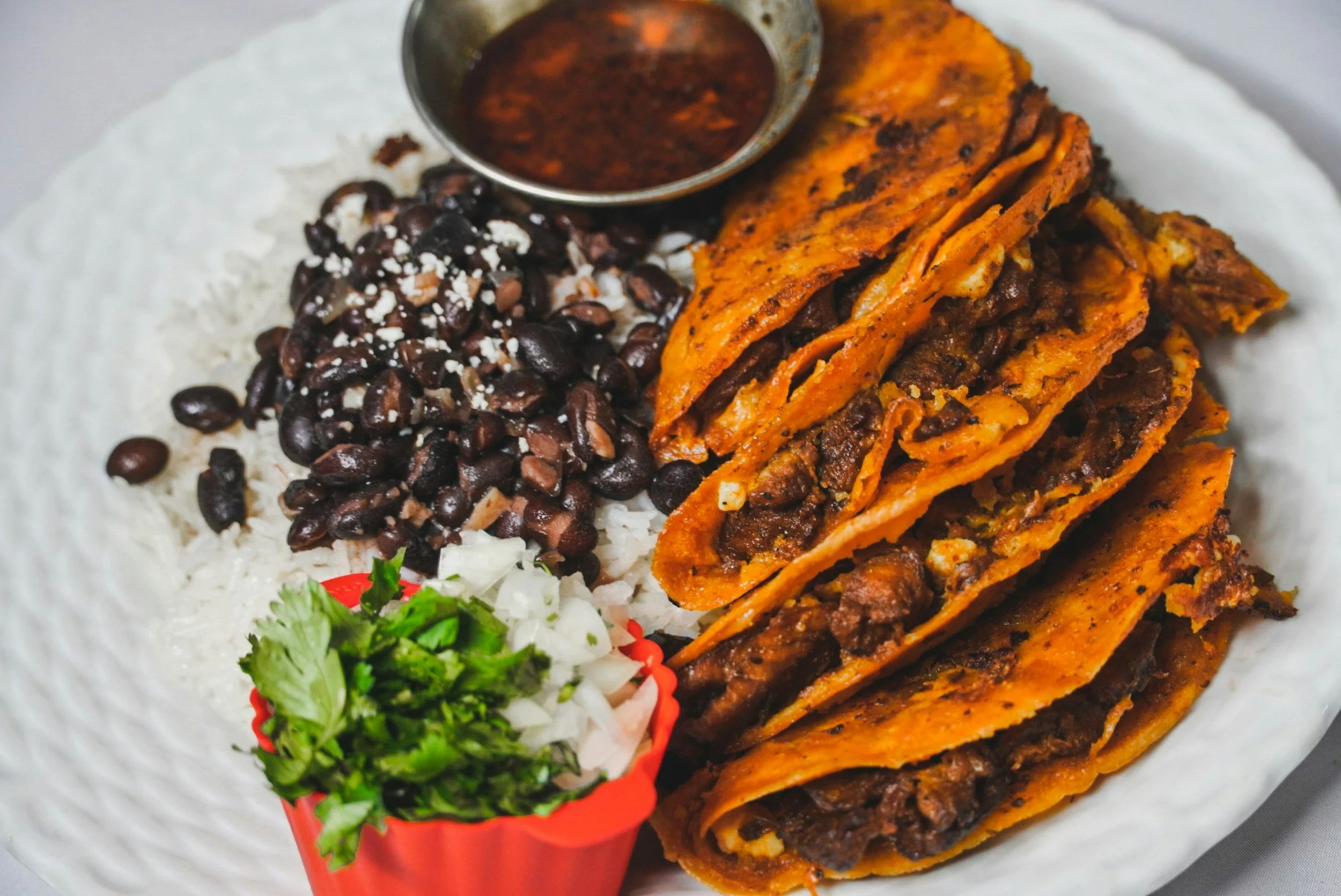
The taco world is also embracing regional Mexican cuisine, a trend predicted by celebrity chef Aarón Sánchez. As foodies seek more authentic experiences, tacos that highlight regional specialties are becoming popular. For instance, tacos de canasta, a street food from Tlaxcala, are now making their way into U.S. markets. These "basket tacos" are steamed in a lined basket, giving them a distinct texture. Another rising trend includes tacos rojos potosinos, from San Luís Potosí, featuring tortillas dipped in spicy sauce, fried, and stuffed with cheese.
Global fusion is also taking over menus, with tacos becoming a culinary playground for international flavors. Whether it's Korean bulgogi tacos paired with kimchi slaw, Indian tandoori chicken tacos with mango salsa, or Vietnamese bánh mì tacos, these globally-inspired combinations offer adventurous diners new, exciting taste experiences
Cooking Techniques: Elevating the Taco Experience
A notable new technique emerging this year is the smash taco. Inspired by the popular smash burger, this method involves flattening meat on the griddle to create a crispier texture. This adds depth to classic taco fillings like carne asada or al pastor, offering a satisfying crunch that pairs well with smoky, charred flavors.
Another significant shift is toward more sustainable taco practices. As consumers become more eco-conscious, chefs are responding by using compostable tortillas, locally sourced ingredients, and even experimenting with low-waste cooking methods. This focus on sustainability is not just about reducing environmental impact but also about creating a more mindful dining experience.
Presentation: Reinventing the Taco Shell
Tacos have always been about versatility, but 2026 is pushing that concept to new limits with alternative taco shells. In a bid to cater to health-conscious consumers, chefs are now replacing traditional tortillas with options like lettuce wraps, sweet potato boats, and even cauliflower shells. These innovations are not only low-carb but also introduce unique flavors and textures that complement the fillings
At the same time, DIY taco bars are growing in popularity, especially for home gatherings and parties. These setups allow guests to customize their tacos with a variety of fillings, toppings, and sauces, making the taco experience more interactive and personalized.
For those with a sweet tooth, dessert tacos are gaining momentum. Picture warm churro shells filled with dulce de leche or crispy wonton shells topped with fresh fruit and whipped cream. These indulgent creations offer a playful twist on the traditional taco and are the perfect way to end a meal.
Tacos in 2026—A Canvas for Creativity
Tacos have evolved far beyond their street food origins in 2026, becoming a creative vehicle for global flavors, sustainable practices, and dietary inclusivity. With bold plant-based options, international influences, and innovative cooking techniques, the taco scene continues to push boundaries. Whether you’re looking for an authentic regional specialty or a fusion of flavors from across the globe, the modern taco promises something for everyone. So, the next time you bite into a taco, expect a flavorful journey that reflects the best of both tradition and innovation.
Exploring Regional Taco Styles: A Taco Tour of Mexico
Mexico is a land of rich culinary traditions, with tacos as one of the country's most beloved foods. Each region has its own take on this versatile dish, reflecting local ingredients, traditions, and flavors. Let's embark on a taco tour of Mexico, highlighting some of the most famous regional styles.
Famous Regional Taco Styles in Mexico
1. Tacos al Pastor (Central Mexico)
Originating in Mexico City, Tacos al Pastor are heavily influenced by the Lebanese immigrants who brought shawarma to the region. Thin slices of pork are marinated in a mixture of dried chilies, spices, and pineapple, and then cooked on a vertical spit, much like shawarma. The meat is shaved off in thin, crispy layers and served on small corn tortillas. They're typically topped with pineapple, onions, cilantro, and a squeeze of lime.
Must-Try Region: Mexico City and the surrounding central region.
2. Baja Fish Tacos (Baja California)
Hailing from the coastal region of Baja California, Baja Fish Tacos are a delightful fusion of Mexican and coastal flavors. Typically made with lightly battered and fried white fish like cod or mahi-mahi, the tacos are served on soft corn tortillas and topped with a creamy cabbage slaw, pico de gallo, and a tangy white sauce, often made from mayonnaise, sour cream, and lime juice. This style highlights the region's abundance of fresh seafood.
Must-Try Region: Ensenada and Tijuana.
3. Tacos de Canasta (Central Mexico)
Also known as "basket tacos", Tacos de Canasta are a popular street food in Mexico City. These soft, steamed tacos are filled with simple ingredients like potatoes, refried beans, chicharrón (fried pork skin), or adobo, and are prepared in bulk. They're placed in a basket lined with cloth to keep them warm, then doused with oil or salsa to keep them moist. Vendors often carry the baskets around on bicycles, serving them to customers on the go.
Must-Try Region: Mexico City and surrounding areas.
4. Tacos de Barbacoa (Central Mexico)
Barbacoa refers to the slow-cooked, tender meat traditionally made from lamb or goat, but today can also include beef. The meat is slow-cooked in an underground pit covered with maguey leaves, resulting in a juicy, flavorful filling. These tacos are typically served with fresh cilantro, onions, and salsa, and are a weekend favorite, especially around breakfast time.
Must-Try Region: Hidalgo and Mexico State.
5. Tacos de Carnitas (Michoacán)
Carnitas are Mexico's version of slow-cooked pulled pork, originating from the state of Michoacán. The pork is slowly cooked in its own fat until tender, then crisped up before being shredded and served on warm tortillas. They are typically paired with fresh cilantro, onions, lime, and a variety of salsas.
Must-Try Region: Michoacán.
6. Tacos de Cochinita Pibil (Yucatán)
From the Yucatán Peninsula, Cochinita Pibil is a centuries-old dish made from pork marinated in achiote (annatto seed), citrus, and spices, then slow-roasted in banana leaves. The result is a deeply flavorful and tender meat that’s served on tortillas and garnished with pickled red onions, habanero salsa, and lime.
Must-Try Region: Mérida and the Yucatán Peninsula.
7. Tacos Gobernador (Sinaloa)
Tacos Gobernador are a relatively recent invention but have quickly become a favorite in Sinaloa. They are filled with a combination of shrimp sautéed with onions, peppers, and melted cheese, creating a creamy and savory taco. Legend has it that they were named after a governor who requested a shrimp taco from a local chef.
Must-Try Region: Mazatlán, Sinaloa.
8. Tacos de Asada (Northern Mexico)
In northern Mexico, where cattle ranching is a way of life, Tacos de Asada (grilled beef tacos) are a staple. Skirt steak or flank steak is marinated, grilled to perfection, and sliced thin. The tacos are served on flour tortillas (common in the north) and topped with simple ingredients like onions, cilantro, and salsa.
Must-Try Region: Monterrey, Chihuahua, Sonora.
9. Tacos Arabes (Puebla)
A fascinating blend of Middle Eastern and Mexican flavors, Tacos Arabes are thought to have been created by Lebanese immigrants who arrived in Puebla in the 20th century. The meat is typically spiced lamb or pork cooked on a vertical spit, similar to shawarma. Instead of corn tortillas, these tacos are served on thick, flour-based pita bread, giving them a unique texture.
Must-Try Region: Puebla.
10. Tacos de Birria (Jalisco)
Birria, a spicy stew typically made with goat or beef, is slow-cooked and marinated in a rich broth of chilies and spices. The meat is shredded and served in tacos, sometimes alongside a bowl of the stew for dipping. Recently, Birria de Res (beef birria) tacos have gained international fame, especially when served with melted cheese and dipped in consomé.
Must-Try Region: Guadalajara and Tijuana.
This taco tour of Mexico highlights how diverse and regionally specific tacos can be. Whether it’s the coastal freshness of a Baja fish taco or the deep, earthy flavors of cochinita pibil, each taco tells the story of its region and history. The next time you're in Mexico, don't miss the opportunity to explore these incredible regional taco styles!