
Let’s Talk About It
The History of Tacos: From Mexico to the World

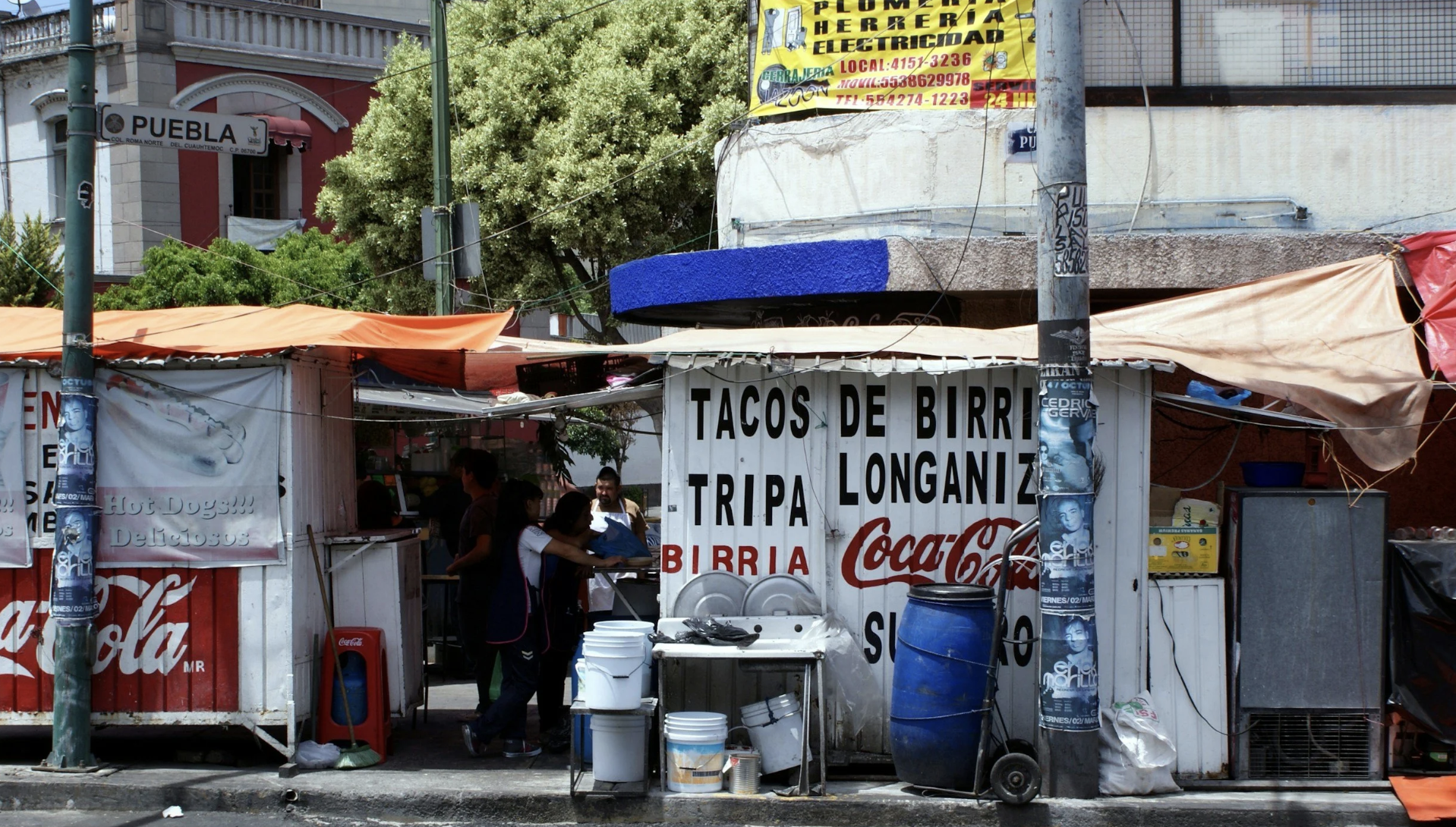
Tacos in Mexico
The humble taco, now a global favorite, has a rich history deeply intertwined with Mexico’s culture and culinary evolution. From its ancient origins to its journey across borders, the taco has transcended its humble beginnings to become a symbol of Mexican cuisine on the world stage. This article explores the origins of tacos in Mexico, their cultural significance, and how they journeyed from the streets of Mexico to become a worldwide phenomenon.
Origins of the Taco in Mexico
The origins of the taco are difficult to pinpoint with absolute certainty, but the tradition of using tortillas as a vessel for food dates back centuries in Mexico. The term "taco" is derived from the Nahuatl word “tlahco,” meaning “half” or “in the middle,” referring to the way food was placed inside a tortilla. The indigenous peoples of Mesoamerica, including the Aztecs, filled tortillas with a variety of ingredients, such as small fish, beans, squash, and insects.
When the Spanish arrived in Mexico in the 16th century, they introduced new foods—most notably domesticated meats like pork, beef, and chicken, which were not native to the region. These new ingredients began to mix with the pre-Columbian staples, transforming traditional indigenous dishes. Tacos began to evolve into the versatile food they are today, with diverse fillings and preparations.
One of the earliest recorded uses of the word "taco" in the context of food dates back to the 18th century, referring to “tacos de minero” or “miner’s tacos”—a simple tortilla wrapped around fillings like explosive charges used by miners to extract ore from silver mines in Mexico.
Tacos and Mexican Culture
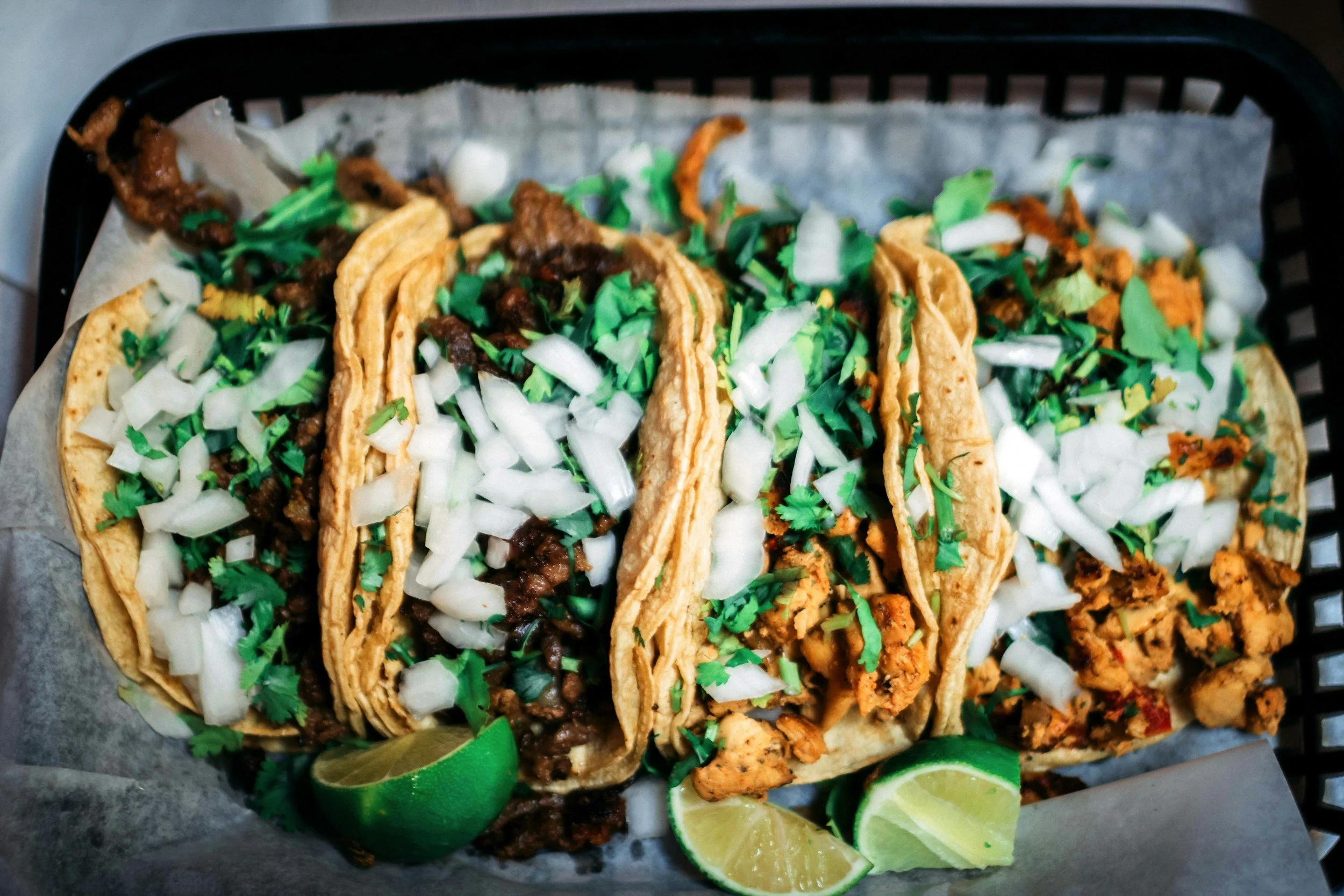
In Mexico, the taco quickly became more than just food—it became a cornerstone of daily life and culture. As street food culture blossomed in Mexican cities, tacos were sold at taquerías and street stalls, providing a quick, affordable, and flavorful meal for workers and families alike. Over time, tacos developed regional distinctions, reflecting the geography and agricultural diversity of Mexico.
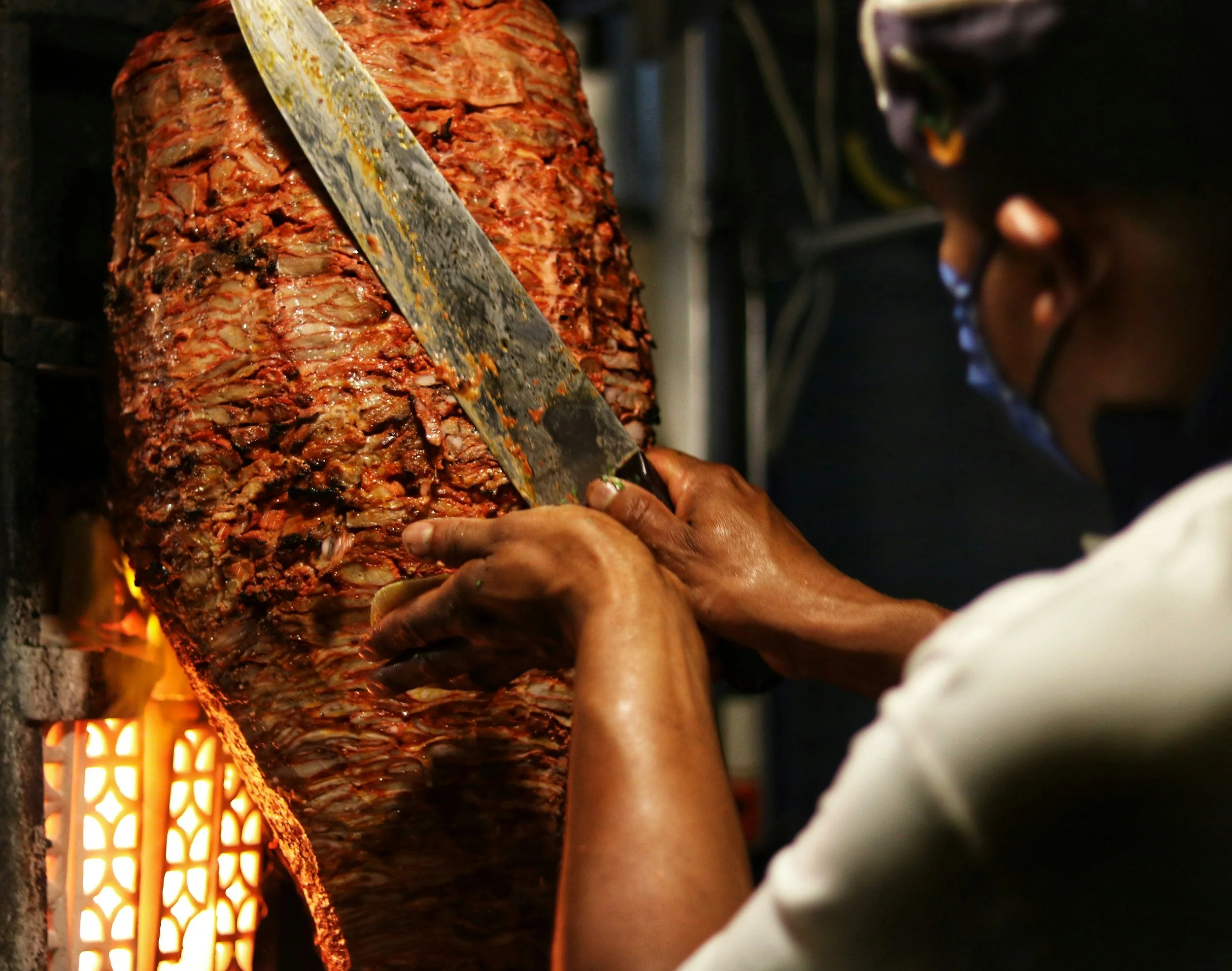
For instance, in central Mexico, tacos al pastor—made with marinated pork cooked on a vertical spit—were influenced by Lebanese immigrants who brought their shawarma-style cooking to Mexico. In Michoacán, tacos de carnitas, made with slow-cooked pork, became a regional favorite. In the north, tacos de barbacoa, traditionally made with lamb or beef cooked slowly in an underground pit, carried indigenous traditions of long, slow cooking into the present day.
Tacos became a food that cut across all classes and occasions, from the simplest street vendor offerings to more elaborate versions served in upscale restaurants. The flexibility of the taco as a dish—able to be customized with different ingredients, salsas, and sides—meant that it could easily adapt to different tastes, making it a food that appealed to everyone.
How Tacos Spread Beyond Mexico
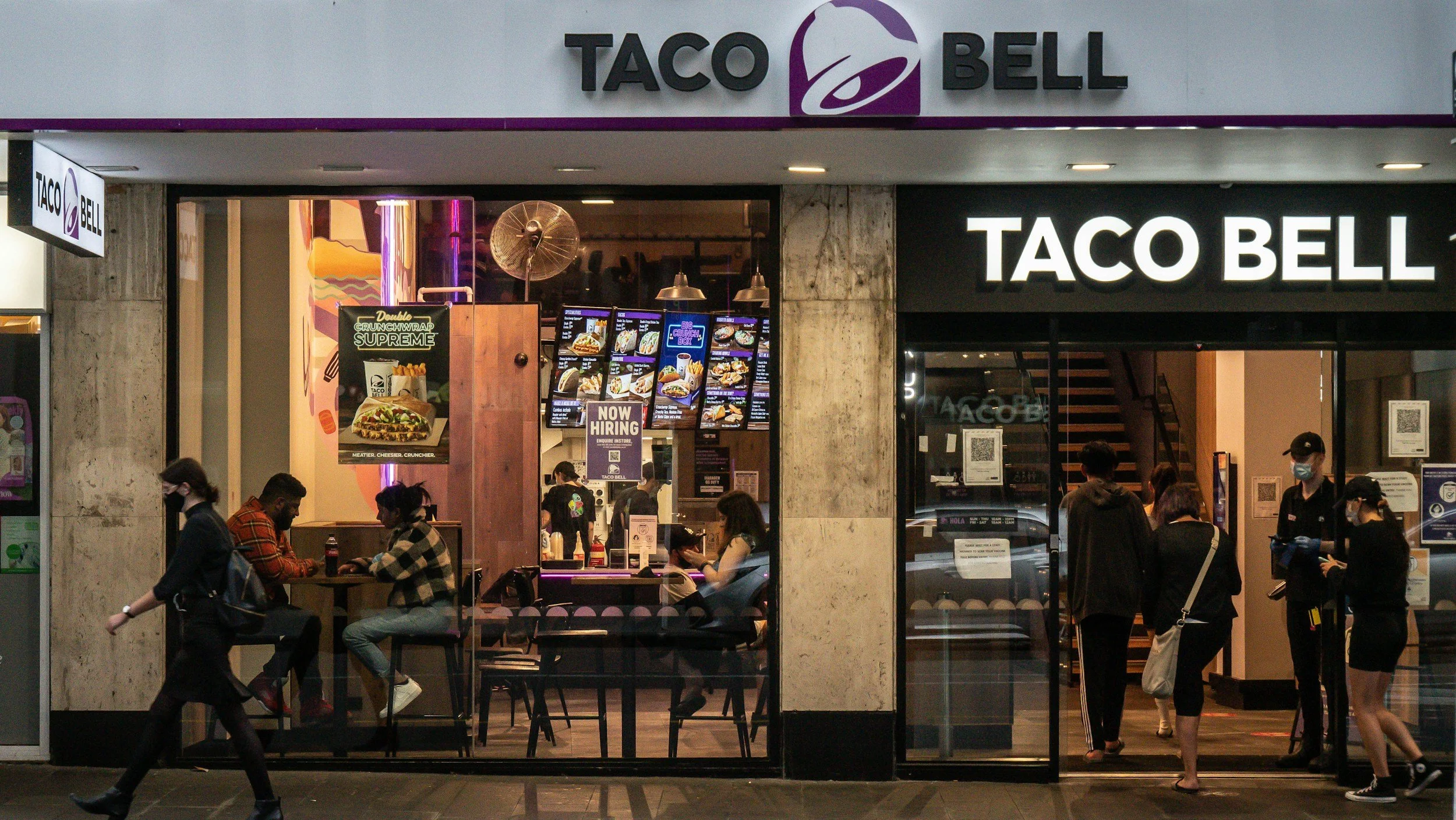
Taco Bell
The taco’s migration beyond Mexico began in earnest in the early 20th century, as Mexican immigrants introduced their culinary traditions to the United States. The U.S. Southwest, in particular, became an early hotspot for the taco as Mexican communities settled in Texas, California, and Arizona, bringing their recipes and food culture with them.
One of the most pivotal moments in the global spread of tacos occurred in 1962, when Glen Bell founded Taco Bell in California. Bell’s vision was to bring tacos to a mainstream American audience by simplifying them into a fast-food product that would be easy to replicate. While Taco Bell’s hard-shell tacos and processed fillings bore little resemblance to the authentic Mexican tacos of street vendors, the brand was instrumental in introducing the concept of tacos to millions of people outside of Mexican-American communities. Through fast-food chains like Taco Bell, the taco became an icon of Mexican food abroad, even as it was Americanized to suit mainstream tastes.
However, this was only the beginning of tacos' global journey. In the late 20th and early 21st centuries, as global tastes shifted toward more artisanal, street-style foods, tacos saw a resurgence in popularity in their more traditional forms. Food trucks and taco stands in cities like Los Angeles, Austin, and New York began to offer more authentic versions of tacos, using fresh ingredients and hand-made tortillas.
Tacos also found new life in international fusion cuisine. As the taco spread to Europe, Asia, and beyond, chefs began experimenting with the dish, adapting it to local ingredients and culinary styles. In places like Seoul, Korean BBQ tacos emerged, combining grilled meats with spicy kimchi in a fusion of Mexican and Korean flavors. In India, tandoori chicken tacos and paneer tacos became popular, blending the spices and traditions of Indian cooking with the simple tortilla wrap.
The Taco's Global Popularity
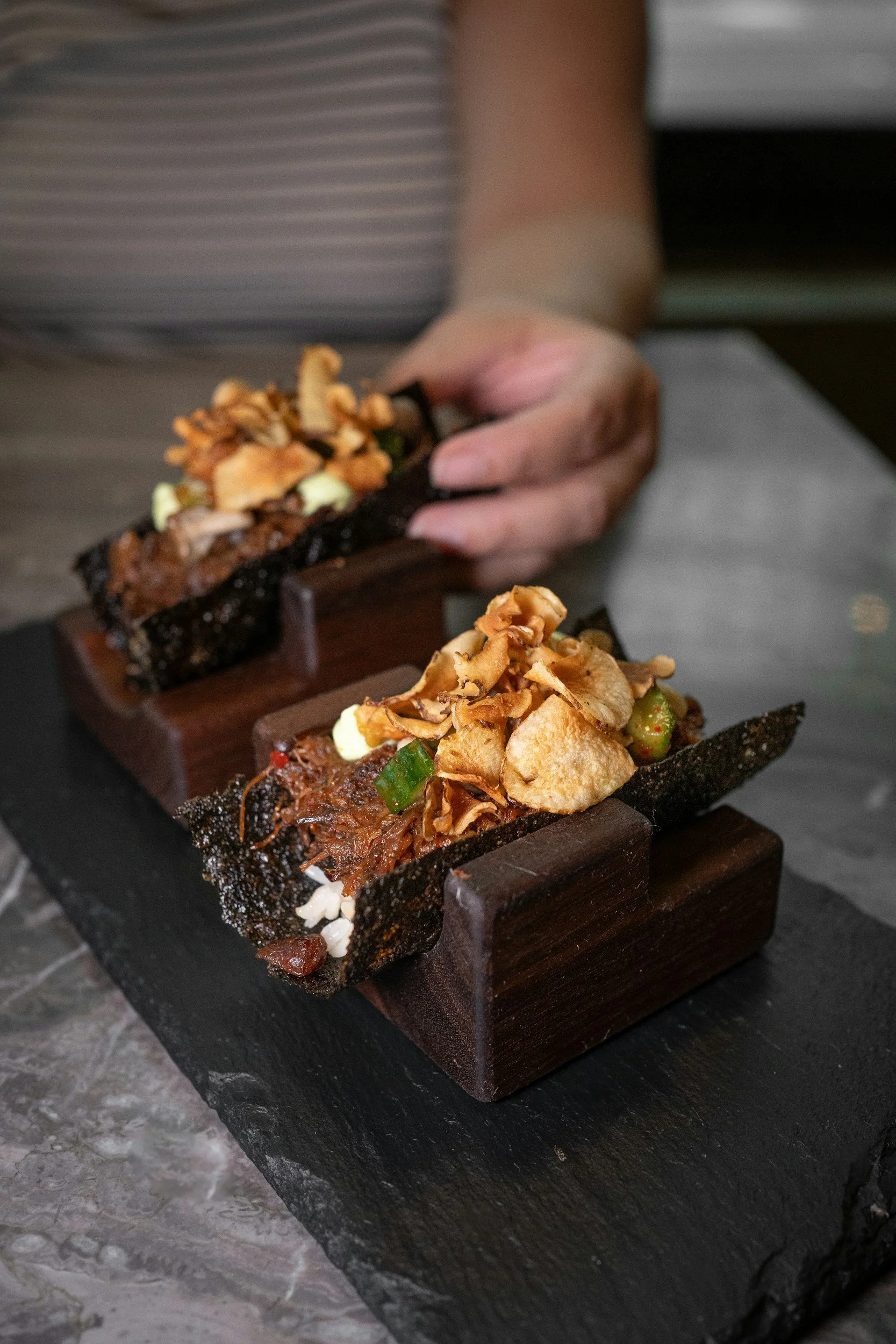
Today, tacos are a global culinary phenomenon. Whether served in Michelin-starred restaurants or by street vendors in small towns, tacos have crossed borders and blended with diverse food cultures. In places like London, Paris, and Tokyo, authentic Mexican taquerías have popped up, serving a variety of traditional taco styles. At the same time, fusion versions continue to thrive, combining local tastes with the classic taco format.
The taco’s global popularity can be attributed to its adaptability. It is a dish that can be tailored to fit different palates, ingredients, and cultural contexts. From its indigenous roots in the Valley of Mexico to its widespread consumption around the world, the taco has evolved while maintaining its identity as a simple, portable, and delicious meal.
Conclusion: The Enduring Legacy of Tacos
The journey of the taco from Mexico to the world is a story of cultural exchange, adaptation, and evolution. While its forms and flavors have changed along the way, the essence of the taco remains the same: a tortilla filled with a delicious variety of ingredients, reflecting the culinary traditions of both Mexico and the many places the taco has traveled. Today, whether served from street vendors in Mexico City or gourmet chefs in international capitals, the taco continues to delight and surprise, a testament to its timeless appeal.

Corn vs. Flour Tortillas: Which is Best for Your Tacos?
When it comes to making tacos, choosing the right tortilla is key to enhancing your meal. Corn and flour tortillas each offer unique textures, flavors, and ideal pairings with different types of taco fillings. Here's a breakdown of the key differences and which tortillas work best for your tacos.
Corn Tortillas: Flavor, Nutrition, and Best Uses

Corn Tortilla
Ingredients & Texture: Made from masa harina (corn dough), corn tortillas are smaller, firmer, and have a distinct, earthy flavor.
Flavor: They offer a subtle sweetness with a rustic corn taste.
Nutritional Value: Corn tortillas are lower in calories and carbs, gluten-free, and higher in fiber compared to their flour counterparts.
Best Uses:
Street Tacos: Perfect for traditional Mexican tacos like carnitas, carne asada, or al pastor.
Fish Tacos: Their light, earthy flavor pairs well with grilled or fried fish and fresh toppings.
Rich, Bold Flavors: Corn tortillas hold up to slow-cooked meats like barbacoa, enhancing the deep flavors.
Flour Tortillas: Flavor, Nutrition, and Best Uses

Flour Tortilla
Ingredients & Texture: Made from wheat flour, water, and fat (like lard or oil), flour tortillas are softer, larger, and more flexible.
Flavor: Mild and neutral, allowing fillings to take center stage.
Nutritional Value: Flour tortillas are higher in calories and protein but lower in fiber than corn tortillas.
Best Uses:
Burrito-Style Tacos: Larger and heartier tacos with multiple fillings, such as meat, beans, and cheese.
Breakfast Tacos: Flour tortillas pair well with soft fillings like eggs, bacon, and potatoes.
Heavily Sauced Tacos: They’re durable enough to handle wetter, saucy ingredients without falling apart.
Which Should You Choose For Tacos?
Corn tortillas are best for small, authentic tacos with bold, rich flavors and traditional Mexican fillings.
Flour tortillas are great for bigger, heartier tacos, or when you need something sturdier to hold saucy or soft ingredients.
Whichever you choose, both tortillas bring something unique to your taco experience!
Taco Trucks vs. Taco Restaurants: What’s the Difference?
Tacos have long been a beloved staple of Mexican cuisine, celebrated for their versatility, flavor, and cultural significance. In recent years, the taco scene has exploded, offering food enthusiasts a delightful array of options. Among these options, taco trucks and taco restaurants stand out as two primary avenues for indulging in this savory dish. While both serve delicious tacos, they present distinctly different experiences and offerings. This article will explore the key differences between taco trucks and taco restaurants, highlighting the pros and cons of each, to help you choose the perfect taco experience for your next meal.
Taco Truck Experience: Authenticity and Convenience
Taco Truck
Experience:
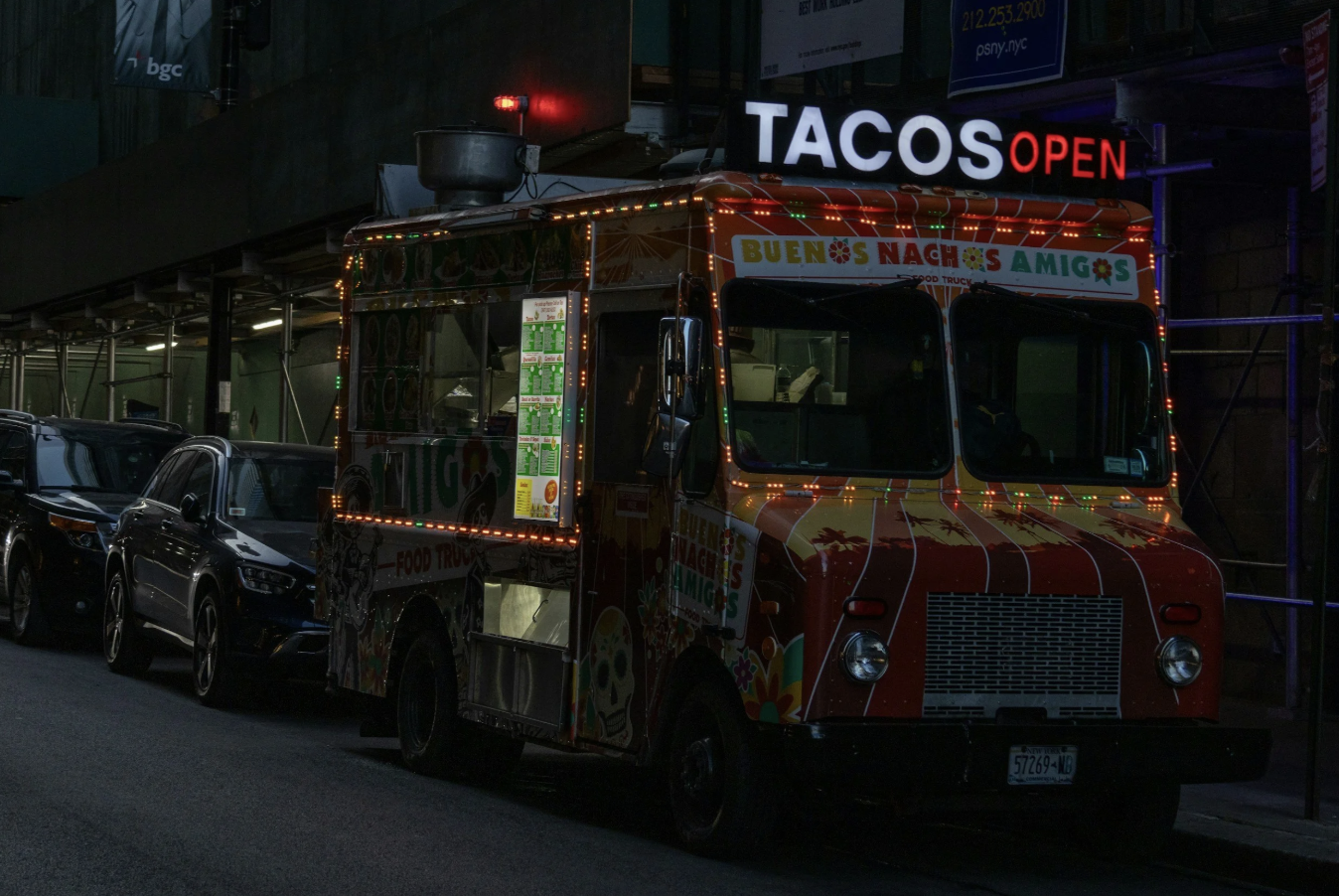
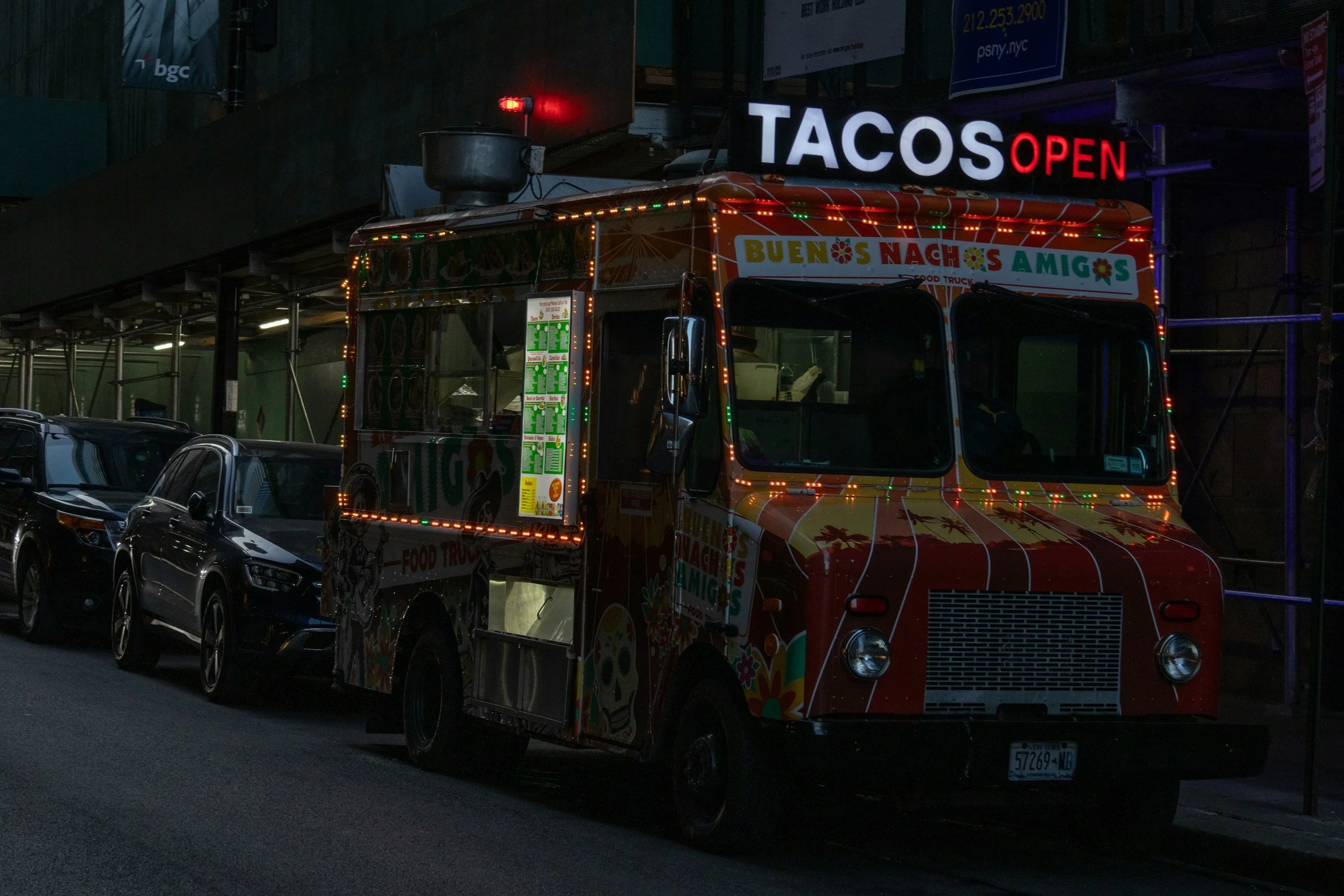
Taco trucks typically embody a casual, laid-back atmosphere that draws diners in with their vibrant colors and mouthwatering aromas. Often stationed on city streets, at events, or in local neighborhoods, these mobile kitchens provide quick and convenient access to delicious food. The community feel is palpable, as many taco trucks are family-owned and operated, fostering a personal connection between the owner and customers. Whether you're grabbing a bite during your lunch break or seeking a late-night snack, taco trucks cater to those looking for a fast and fulfilling meal.
Offerings:
The menu at taco trucks is often more concise than that of traditional restaurants, focusing on a few specialty items that showcase regional favorites. While tacos are the primary offering, many trucks also serve other street food staples, such as quesadillas, burritos, and elote (Mexican street corn). A hallmark of taco trucks is their commitment to using fresh, high-quality ingredients, which can enhance the overall flavor of the dishes.
Pros and Cons of Taco Trucks
Pros:
Affordability: Taco trucks generally offer lower prices compared to sit-down restaurants, making them an accessible option for many.
Authenticity: Many trucks take pride in serving traditional recipes that reflect the owner's cultural background, providing a genuine taste of Mexico.
Quick Service: Ideal for those in a hurry, taco trucks allow customers to enjoy a satisfying meal on the go.
Cons:
Limited Seating: Most taco trucks lack indoor seating, which can be a drawback in inclement weather.
Variable Quality: Quality can vary depending on the location and time of day, making consistency a potential issue.
Taco Restaurant Experience: Variety and Comfort
Los Tacos No. 1
Experience:
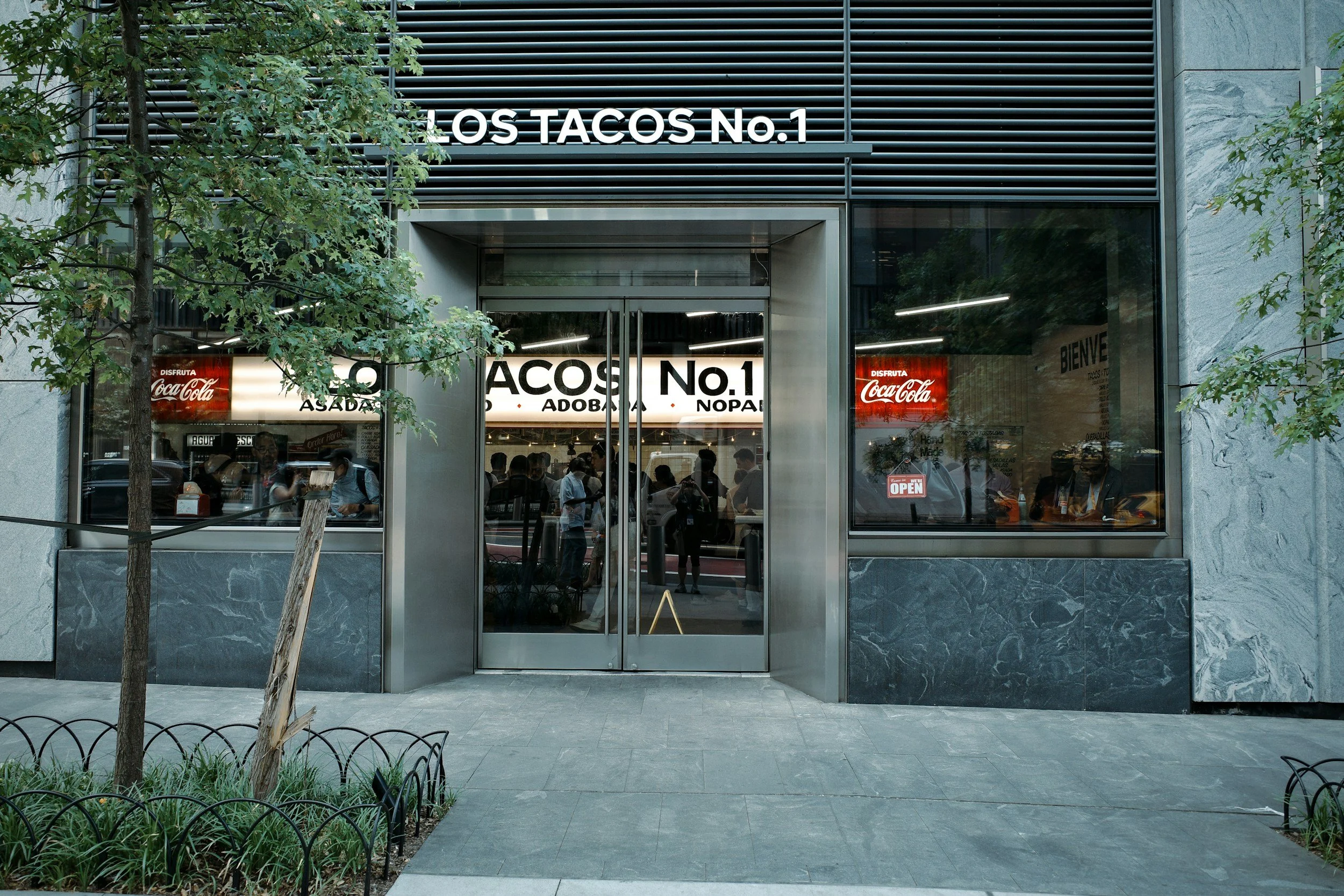
Taco restaurants offer a more diverse dining experience, ranging from casual eateries to upscale establishments. This variety allows for different atmospheres, catering to a range of customer preferences, whether you’re looking for a quick meal or a more leisurely dining experience. Many taco restaurants invest in their decor and ambiance, creating inviting spaces suitable for social gatherings and celebrations. With ample indoor seating, these restaurants provide a comfortable dining experience, regardless of the weather.
Offerings:
One of the main advantages of taco restaurants is their extensive menu, which often includes a wider array of dishes beyond just tacos. Customers can choose from various appetizers, sides, and beverages, as well as multiple types of tacos, allowing for a customizable dining experience. Many restaurants also offer full-service dining, where customers can enjoy waitstaff service, access to alcohol, and even desserts, further enhancing the overall experience.
Pros and Cons of Taco Restaurants
Pros:
Variety: A broader selection of dishes and flavors cater to different dietary preferences, ensuring that everyone can find something they enjoy.
Comfort: Indoor seating and a more controlled environment make for a comfortable dining experience.
Ambiance: A welcoming atmosphere is ideal for social gatherings and family outings, making restaurants a popular choice for special occasions.
Cons:
Higher Prices: Meals at taco restaurants can be more expensive due to the added services and amenities.
Longer Wait Times: Dining at a restaurant typically requires more time for food preparation and service compared to the quick grab-and-go nature of taco trucks.
How to Choose the Best Taco Experience for You
Both taco trucks and taco restaurants have their unique advantages and challenges, offering distinct experiences to taco lovers. Taco trucks excel in affordability, authenticity, and quick service, making them perfect for casual dining and on-the-go meals. Conversely, taco restaurants provide a wider variety of dishes, a comfortable setting, and a more inviting atmosphere, appealing to those looking to enjoy a leisurely meal. Ultimately, the choice between taco trucks and taco restaurants depends on personal preferences and the dining context. Whether you crave the casual charm of a taco truck or the diverse offerings of a restaurant, you’re sure to find a delicious taco experience waiting for you.