
Let’s Talk About It
Taco Trucks vs. Taco Restaurants: What’s the Difference?
Tacos have long been a beloved staple of Mexican cuisine, celebrated for their versatility, flavor, and cultural significance. In recent years, the taco scene has exploded, offering food enthusiasts a delightful array of options. Among these options, taco trucks and taco restaurants stand out as two primary avenues for indulging in this savory dish. While both serve delicious tacos, they present distinctly different experiences and offerings. This article will explore the key differences between taco trucks and taco restaurants, highlighting the pros and cons of each, to help you choose the perfect taco experience for your next meal.
Taco Truck Experience: Authenticity and Convenience
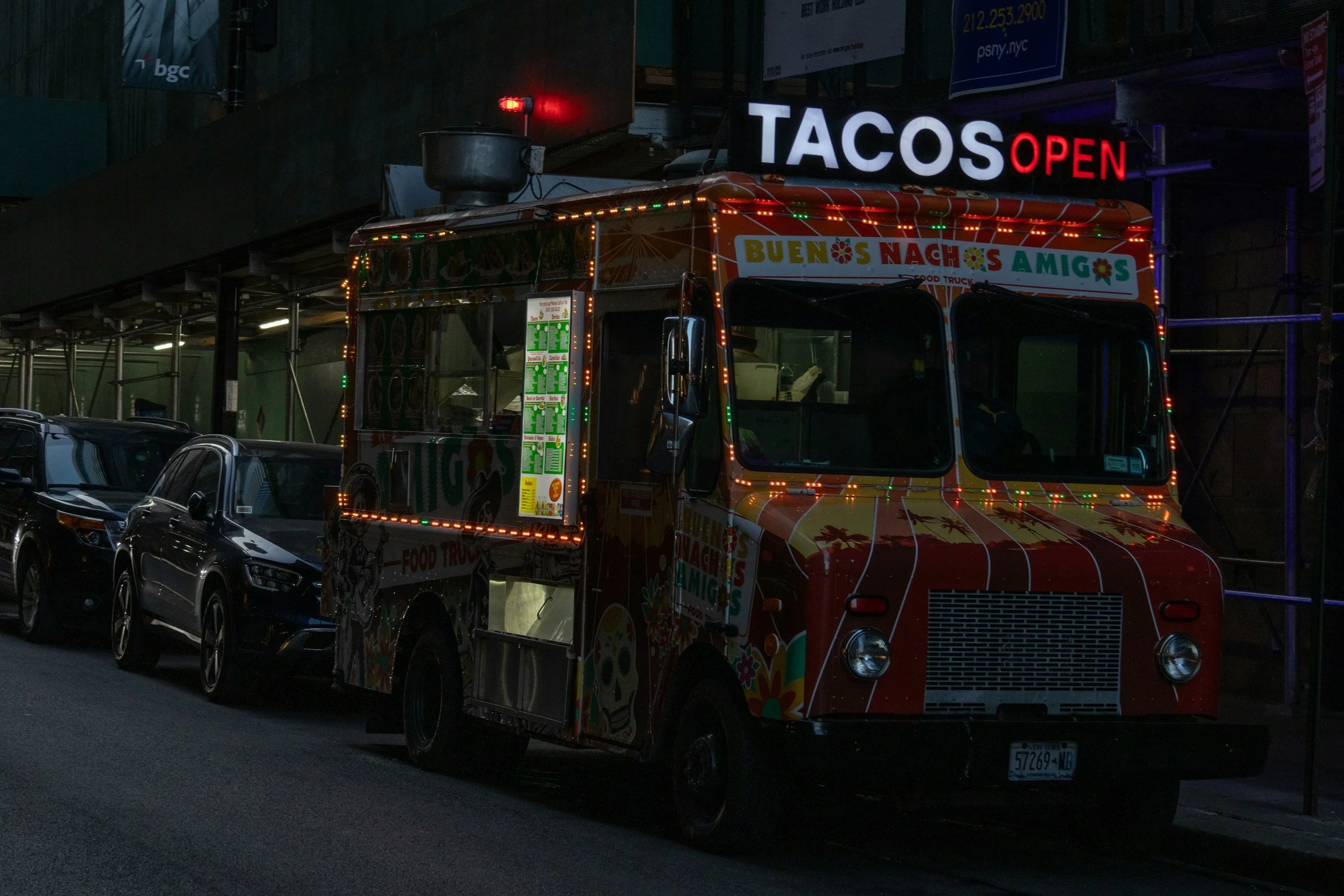
Taco Truck
Experience:
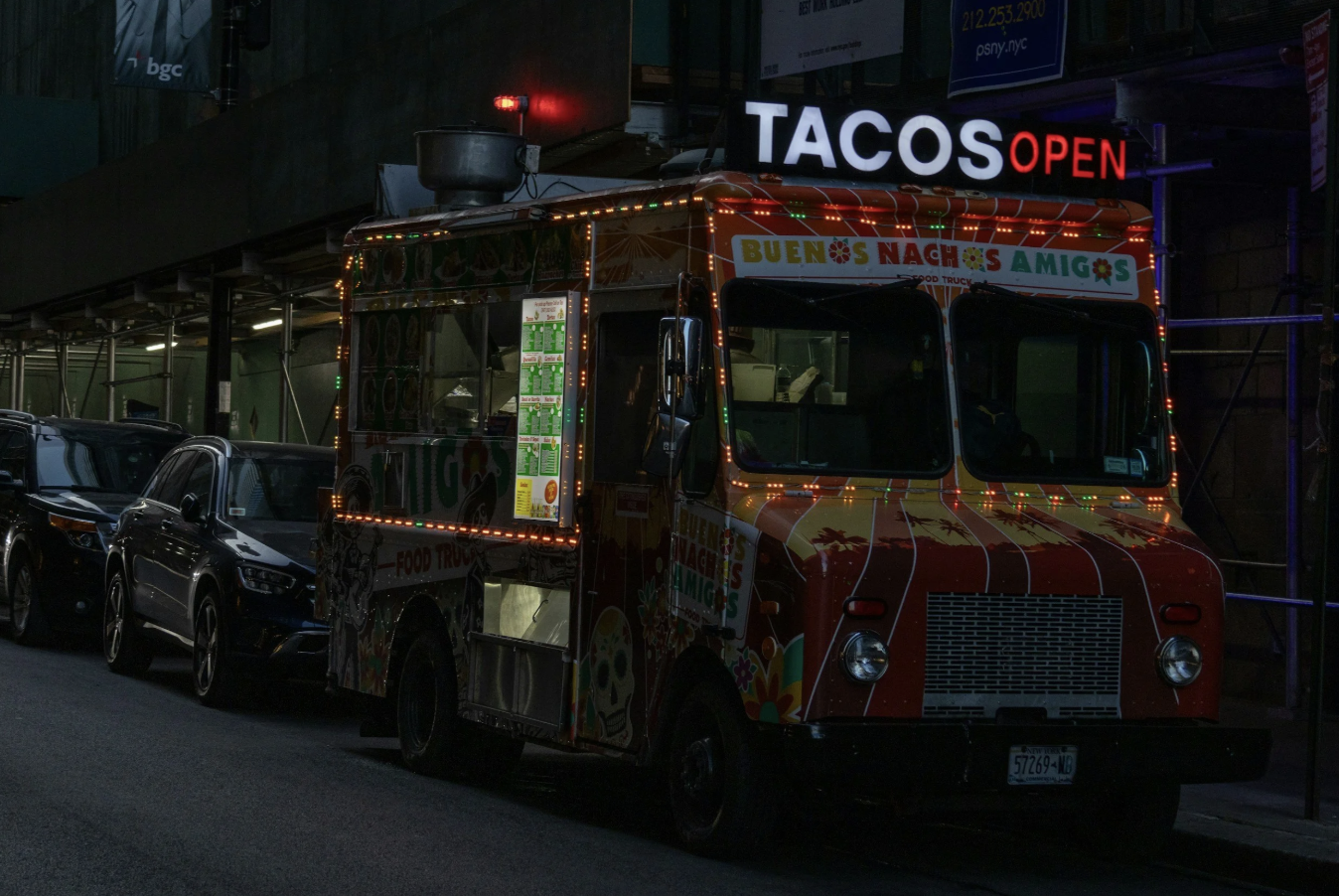
Taco trucks typically embody a casual, laid-back atmosphere that draws diners in with their vibrant colors and mouthwatering aromas. Often stationed on city streets, at events, or in local neighborhoods, these mobile kitchens provide quick and convenient access to delicious food. The community feel is palpable, as many taco trucks are family-owned and operated, fostering a personal connection between the owner and customers. Whether you're grabbing a bite during your lunch break or seeking a late-night snack, taco trucks cater to those looking for a fast and fulfilling meal.
Offerings:
The menu at taco trucks is often more concise than that of traditional restaurants, focusing on a few specialty items that showcase regional favorites. While tacos are the primary offering, many trucks also serve other street food staples, such as quesadillas, burritos, and elote (Mexican street corn). A hallmark of taco trucks is their commitment to using fresh, high-quality ingredients, which can enhance the overall flavor of the dishes.
Pros and Cons of Taco Trucks
Pros:
Affordability: Taco trucks generally offer lower prices compared to sit-down restaurants, making them an accessible option for many.
Authenticity: Many trucks take pride in serving traditional recipes that reflect the owner's cultural background, providing a genuine taste of Mexico.
Quick Service: Ideal for those in a hurry, taco trucks allow customers to enjoy a satisfying meal on the go.
Cons:
Limited Seating: Most taco trucks lack indoor seating, which can be a drawback in inclement weather.
Variable Quality: Quality can vary depending on the location and time of day, making consistency a potential issue.
Taco Restaurant Experience: Variety and Comfort
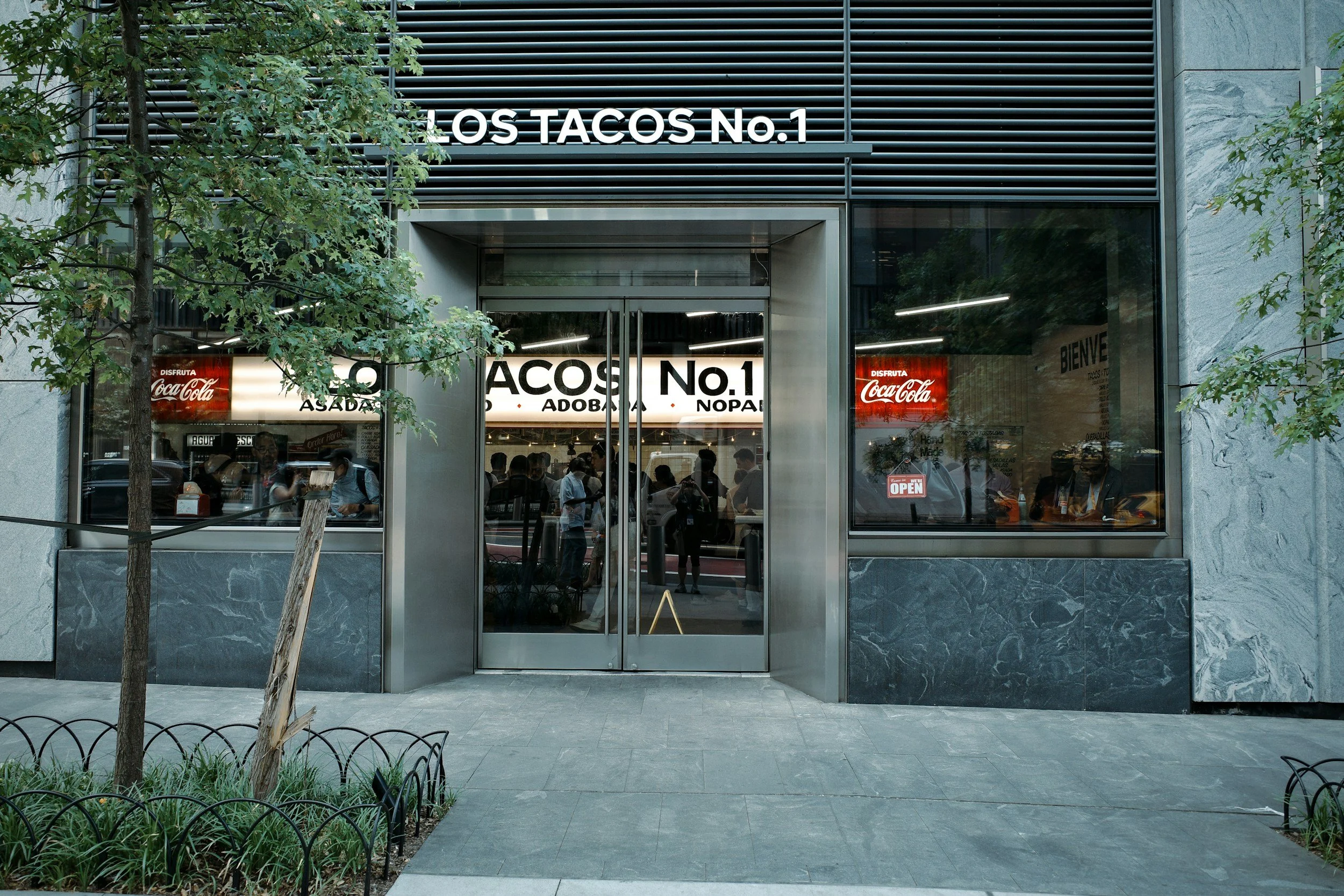
Los Tacos No. 1
Experience:
Taco restaurants offer a more diverse dining experience, ranging from casual eateries to upscale establishments. This variety allows for different atmospheres, catering to a range of customer preferences, whether you’re looking for a quick meal or a more leisurely dining experience. Many taco restaurants invest in their decor and ambiance, creating inviting spaces suitable for social gatherings and celebrations. With ample indoor seating, these restaurants provide a comfortable dining experience, regardless of the weather.
Offerings:
One of the main advantages of taco restaurants is their extensive menu, which often includes a wider array of dishes beyond just tacos. Customers can choose from various appetizers, sides, and beverages, as well as multiple types of tacos, allowing for a customizable dining experience. Many restaurants also offer full-service dining, where customers can enjoy waitstaff service, access to alcohol, and even desserts, further enhancing the overall experience.
Pros and Cons of Taco Restaurants
Pros:
Variety: A broader selection of dishes and flavors cater to different dietary preferences, ensuring that everyone can find something they enjoy.
Comfort: Indoor seating and a more controlled environment make for a comfortable dining experience.
Ambiance: A welcoming atmosphere is ideal for social gatherings and family outings, making restaurants a popular choice for special occasions.
Cons:
Higher Prices: Meals at taco restaurants can be more expensive due to the added services and amenities.
Longer Wait Times: Dining at a restaurant typically requires more time for food preparation and service compared to the quick grab-and-go nature of taco trucks.
How to Choose the Best Taco Experience for You
Both taco trucks and taco restaurants have their unique advantages and challenges, offering distinct experiences to taco lovers. Taco trucks excel in affordability, authenticity, and quick service, making them perfect for casual dining and on-the-go meals. Conversely, taco restaurants provide a wider variety of dishes, a comfortable setting, and a more inviting atmosphere, appealing to those looking to enjoy a leisurely meal. Ultimately, the choice between taco trucks and taco restaurants depends on personal preferences and the dining context. Whether you crave the casual charm of a taco truck or the diverse offerings of a restaurant, you’re sure to find a delicious taco experience waiting for you.
Street Tacos vs. Gourmet Tacos: What’s the Real Difference?
Tacos come in all shapes, sizes, and flavors, but there’s a distinct difference between the classic street taco and the trendy gourmet taco. Let’s break down how they compare when it comes to simplicity, cost, presentation, and more.
1. Simplicity vs. Complexity: Ingredients and Preparation
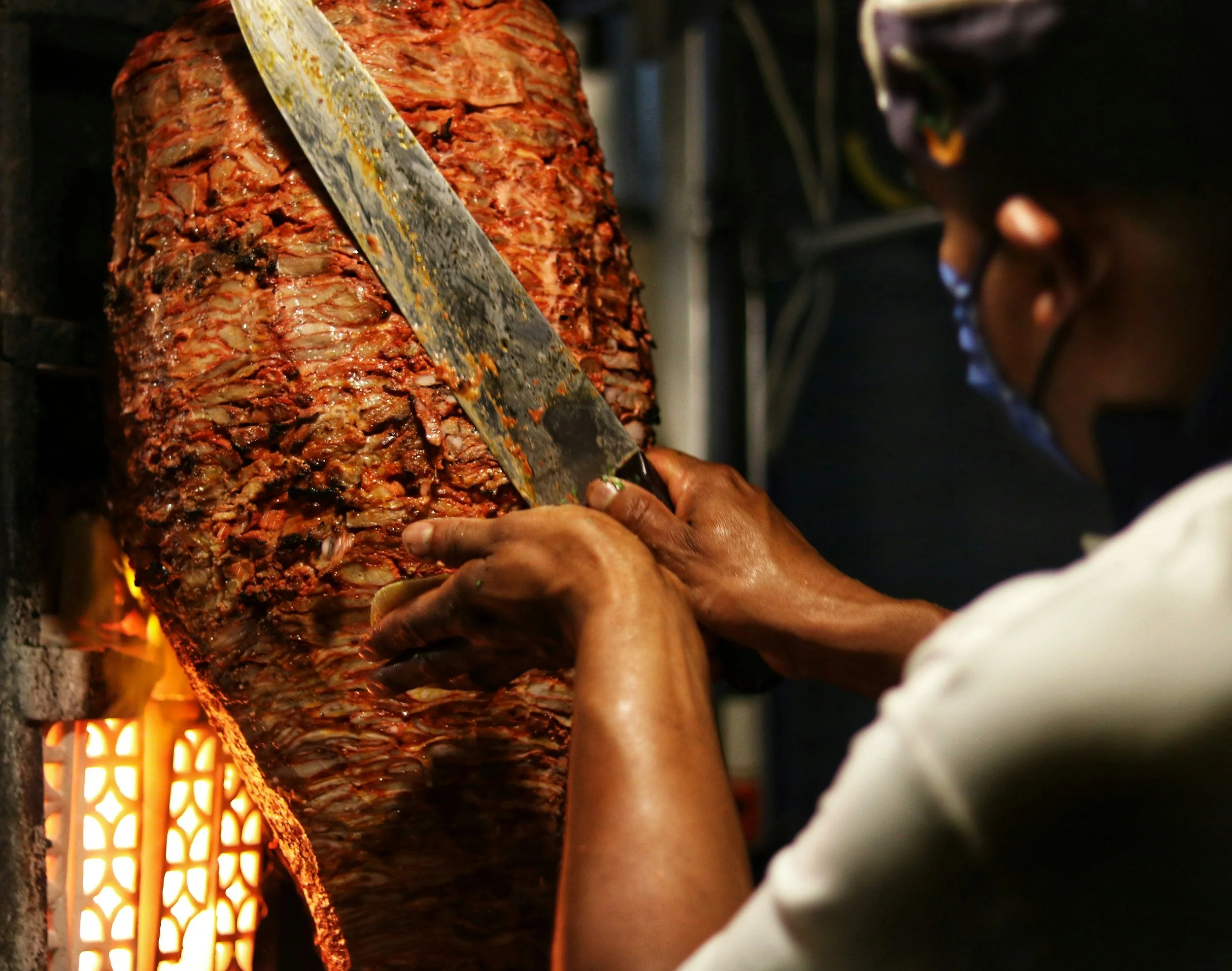
Street Tacos: These tacos are all about minimalism. Typically filled with grilled meats like carne asada or al pastor, and topped with cilantro, onions, and lime, street tacos are straightforward and highlight traditional flavors.
Gourmet Tacos: Gourmet tacos take a more elaborate approach, featuring unique ingredients like duck, lobster, or exotic sauces. Chefs often blend flavors from different cuisines, creating fusion tacos like Korean BBQ or fish tacos with tropical salsas.
2. Price Point: Affordable Street Tacos vs. Upscale Gourmet Tacos
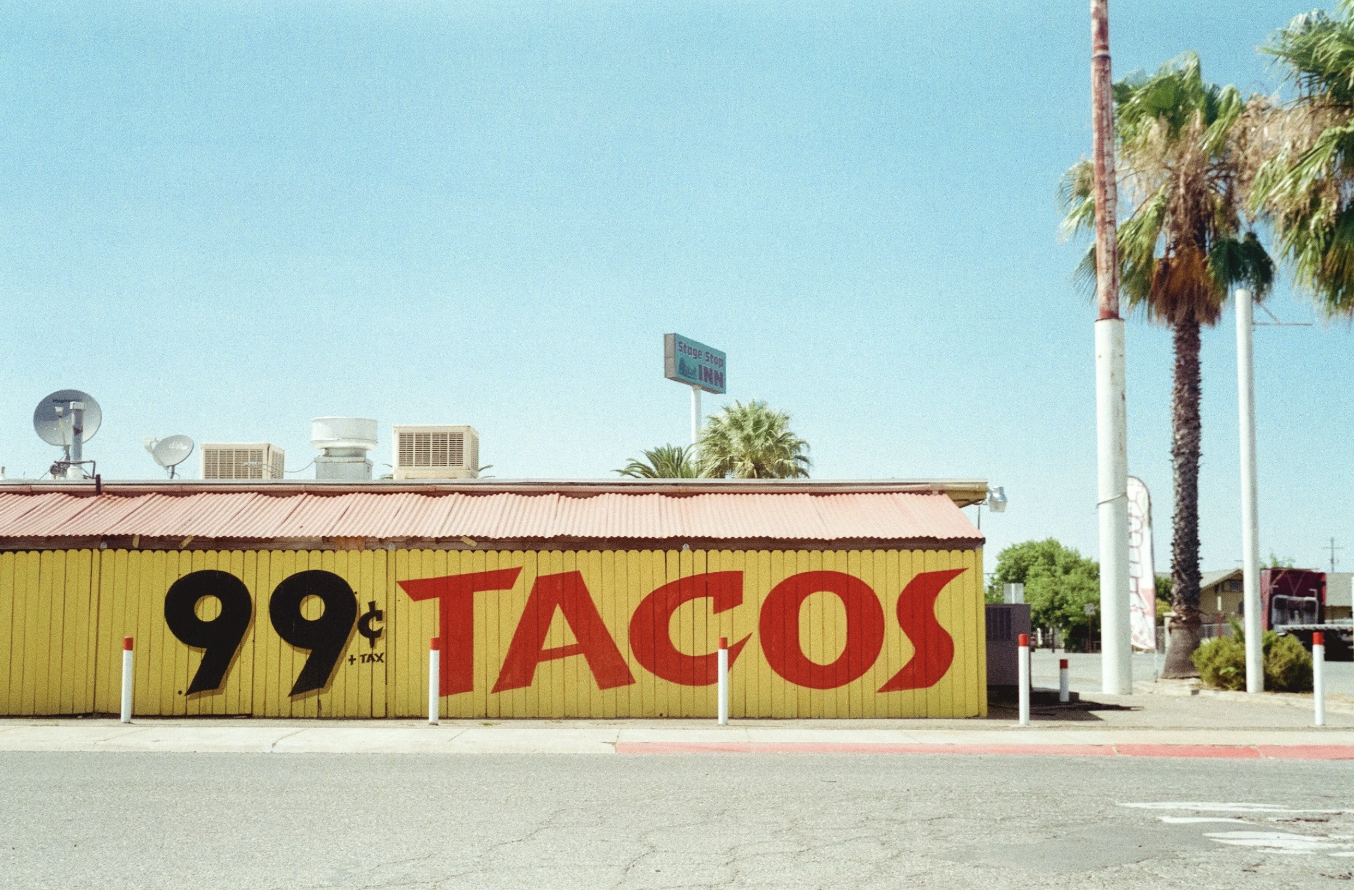
Street Tacos: Known for being affordable, street tacos are sold from food trucks or stalls and are budget-friendly, making them a popular everyday food.
Gourmet Tacos: These tacos, often served in upscale restaurants, are pricier. The use of premium meats, organic produce, and artisanal tortillas leads to higher costs.
3. Presentation: Street Style vs. Gourmet Plating
Street Tacos: Street tacos are served simply and efficiently. They’re small, wrapped in a basic corn tortilla, and meant for quick, on-the-go eating.
Gourmet Tacos: On the other hand, gourmet tacos are plated with style. Expect colorful garnishes, artistic sauces, and an overall “Instagram-worthy” look.

4. Authenticity: Traditional Roots vs. Modern Twists
Street Tacos: Representing the essence of traditional Mexican street food, street tacos stay true to their roots. The focus is on authentic flavors and techniques passed down through generations.
Gourmet Tacos: While often inspired by traditional tacos, gourmet versions experiment with global flavors and techniques, offering a modern twist on the original concept.
5. Size and Portion: How They Compare
Street Tacos: Typically small, street tacos are designed to be eaten in multiples—often two to four at a time.
Gourmet Tacos: These tacos vary in size but are often served as a single, more substantial dish meant to be savored.
6. Ingredients: Classic vs. Creative
Street Tacos: Simplicity rules here. Corn tortillas with basic fillings like meat, onions, cilantro, and salsa are the hallmark of street tacos.
Gourmet Tacos: Gourmet versions use more diverse ingredients, from handmade flour tortillas to innovative toppings like truffle oil or pickled veggies.

Street tacos are all about authenticity and simplicity, offering bold flavors in an affordable, no-fuss package. In contrast, gourmet tacos are about creativity and presentation, elevating the taco experience with premium ingredients and global influences. Whether you prefer the humble street taco or the refined gourmet version, both have their own unique appeal.