
Let’s Talk About It
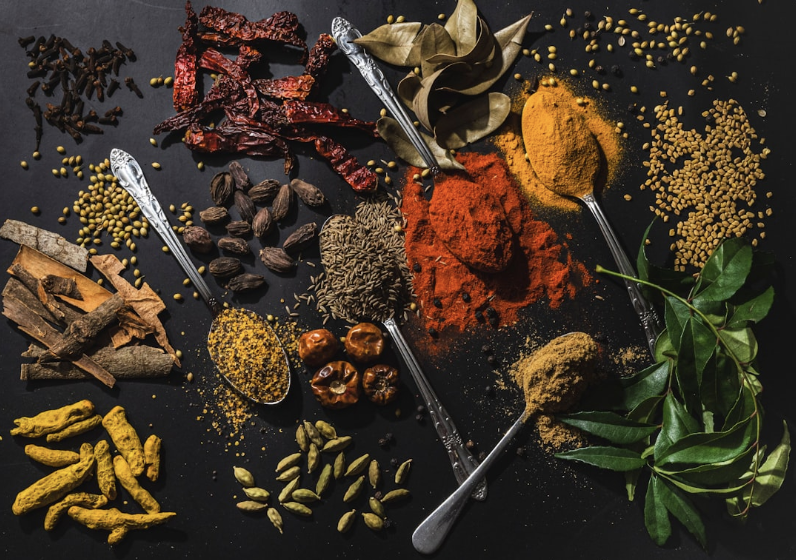
The Ultimate Guide to Taco Spices and Seasonings
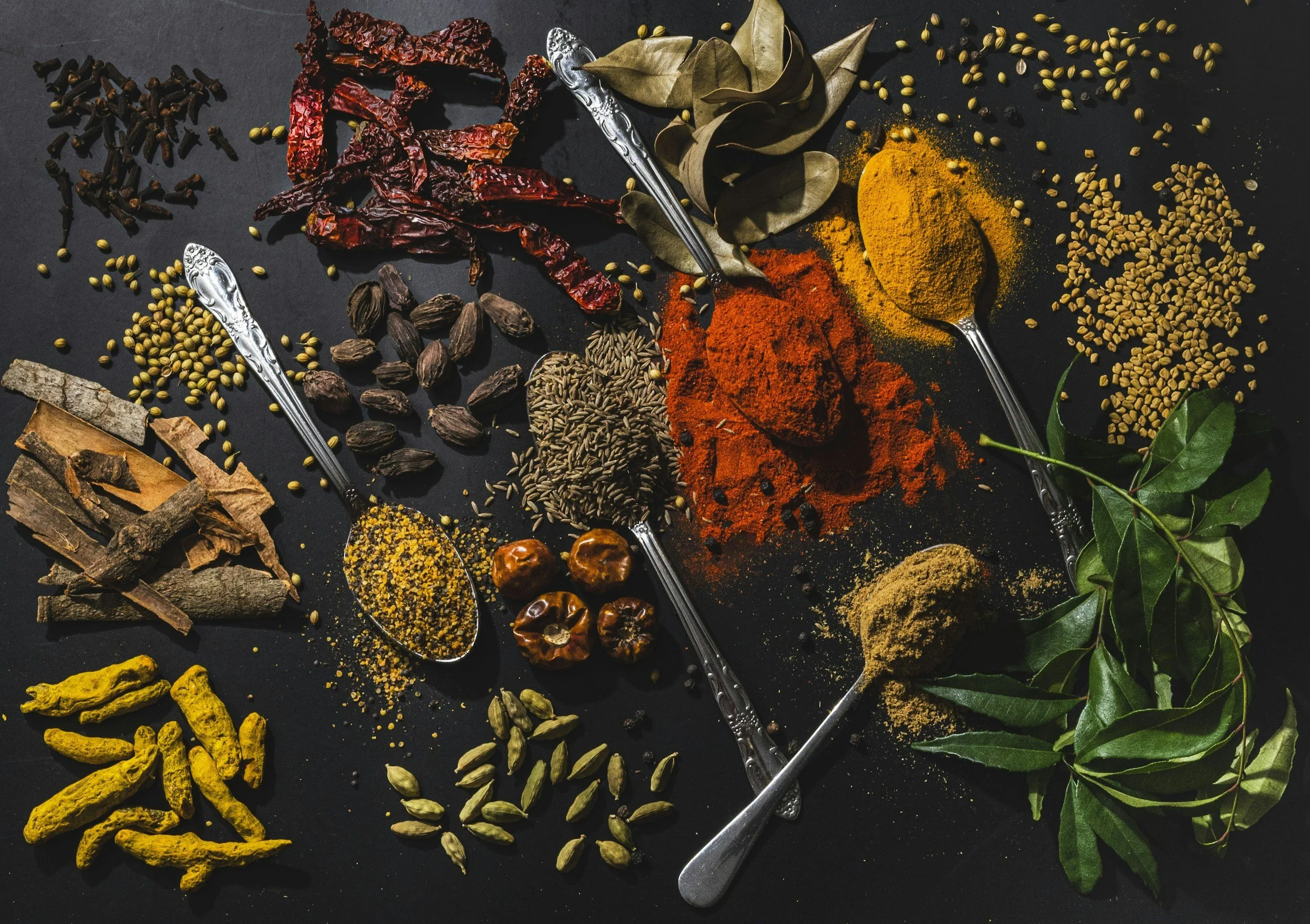
Tacos are a versatile dish, but the key to making them truly delicious lies in the seasoning. The right blend of spices transforms any taco filling, whether it's beef, chicken, or vegetables, into a mouthwatering experience. Understanding how to use each spice will help you create the perfect homemade taco seasoning. With just a few basic ingredients, you can make a mix that is fresher and more flavorful than anything store-bought. Here’s a breakdown of the essential taco seasonings and how to use them for the best flavor.
Essential Spices for Taco Seasoning
1. Cumin
Cumin brings a warm, earthy flavor that is at the heart of any taco seasoning. Use ground cumin for convenience or toast and grind whole seeds for extra depth. Add 1-2 teaspoons to your mix for a smoky base. Toasting cumin briefly before grinding intensifies its flavor.
2. Chili Powder
Chili powder gives your tacos a mild heat with a touch of sweetness and smokiness. It’s often a mix of chilies and spices, making it essential to any taco blend. Use 2-3 teaspoons depending on how much spice you like. To increase the heat, add a pinch of cayenne.
3. Paprika
Paprika adds a vibrant red color and a subtle sweetness. Smoked paprika can enhance the flavor of grilled tacos. Add about 1 teaspoon to your mix, and choose between regular, smoked, or hot paprika based on your preference.
4. Garlic Powder
Garlic powder delivers a concentrated, savory flavor that’s easy to distribute in a seasoning blend. It’s perfect for those who want the taste of garlic without the hassle of fresh cloves. Add 1 teaspoon for that bold, garlicky kick.
5. Onion Powder
Onion powder is another key to building flavor, giving a sweet, savory taste to the seasoning. Just like garlic powder, it mixes well with other spices. Use 1 teaspoon in your taco seasoning.
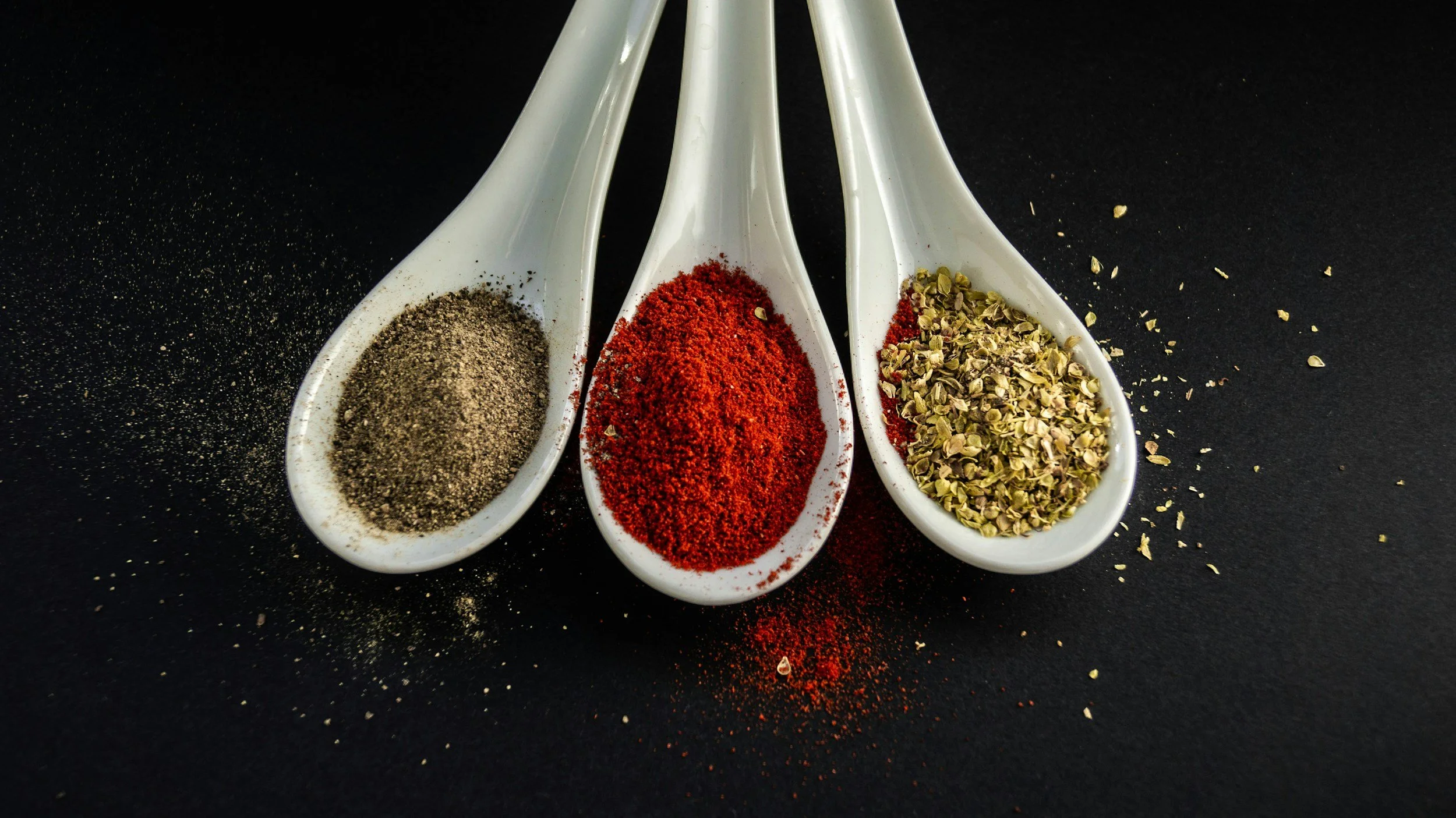
Other Key Taco Seasoning Ingredients
Oregano (Mexican Oregano): Adds a citrusy, herbal flavor to the mix. Use 1/2 teaspoon.
Salt: Enhances all the flavors. Add about 1 teaspoon.
Black Pepper: Adds a subtle heat. Use 1/2 teaspoon.
Cayenne Pepper (Optional): For extra heat, add 1/4 teaspoon.
Ground Coriander (Optional): Provides a light citrus flavor. Use 1/2 teaspoon.
Easy Homemade Taco Seasoning Recipe
For 1 pound of meat or vegetables:
2 teaspoons chili powder
1 teaspoon cumin
1 teaspoon paprika (or smoked paprika)
1/2 teaspoon garlic powder
1/2 teaspoon onion powder
1/2 teaspoon oregano
1 teaspoon salt
1/4 teaspoon black pepper
Optional: 1/4 teaspoon cayenne for heat

Tips for the Best Taco Flavor
Adjust the salt and heat to your taste preference.
Use fresh spices for maximum flavor.
Customize the mix by adding more smoked paprika for a smoky flavor or cayenne for more heat.
This easy-to-make taco seasoning will elevate any taco dish and can be used on a variety of proteins and vegetables!

Why Tacos Are Perfect for Every Meal: Breakfast, Lunch, and Dinner
Tacos are one of the most beloved and versatile dishes in the world. Their adaptability makes them perfect for any meal, whether you're craving something hearty for breakfast, light for lunch, or indulgent for dinner. With endless combinations of ingredients, you can easily switch up flavors and textures to match your mood or the time of day. Plus, tacos are quick to prepare, making them a convenient option whether you're on the go or sitting down for a full meal. Whether you prefer savory meats, fresh veggies, or something in between, tacos can be customized to satisfy any craving at any time.
Breakfast Tacos: Start Your Day Right
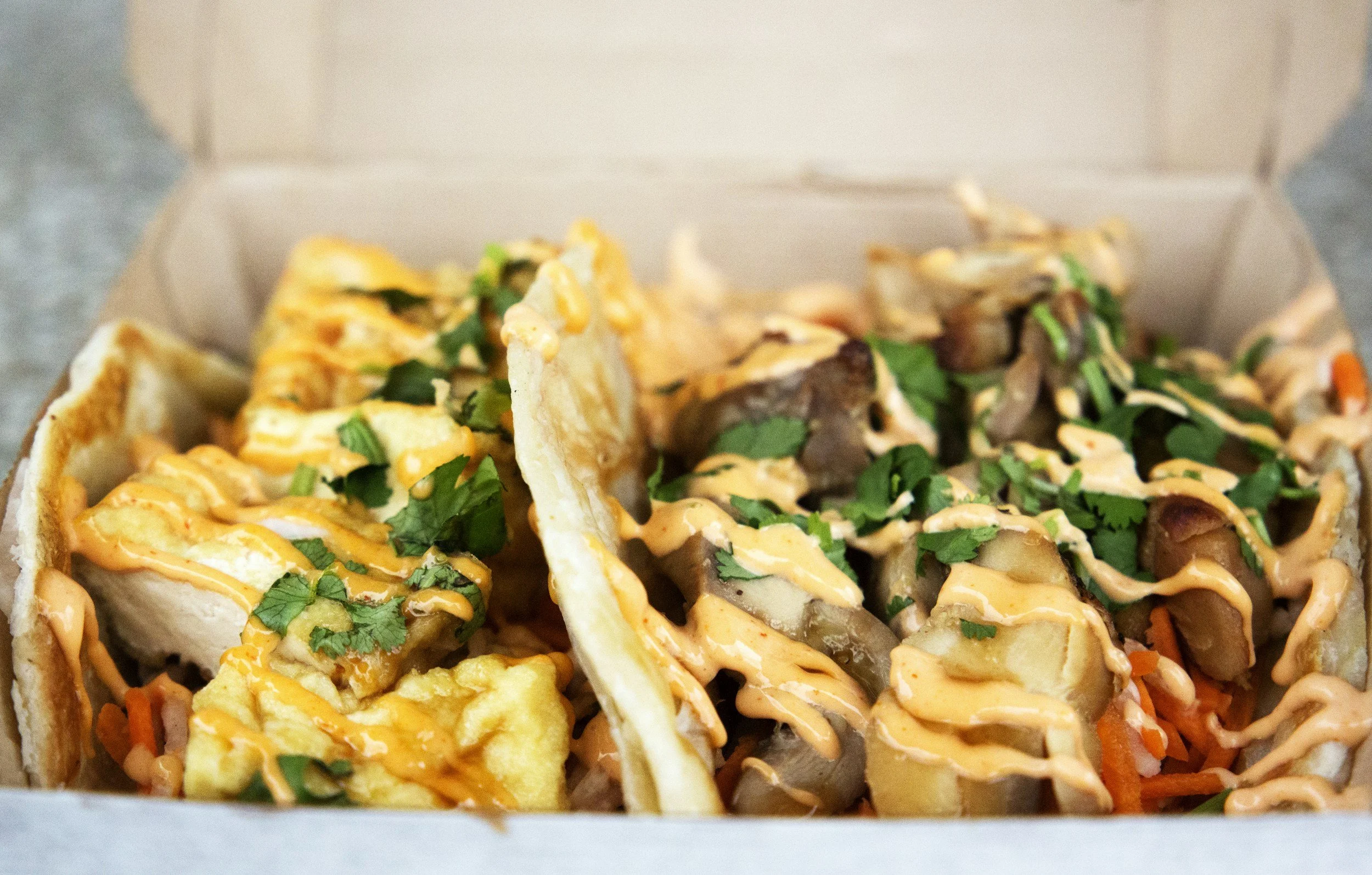
Start your day with a flavorful breakfast taco. They’re easy to make and packed with energy-boosting ingredients.
Great Ingredients:
Scrambled eggs
Bacon or sausage
Cheese
Avocado
Salsa or hot sauce
Tasty Combos:
Classic: Eggs, bacon, cheese, and salsa.
Healthy: Egg whites, spinach, avocado, and pico de gallo.
Lunch Tacos: Light Yet Satisfying
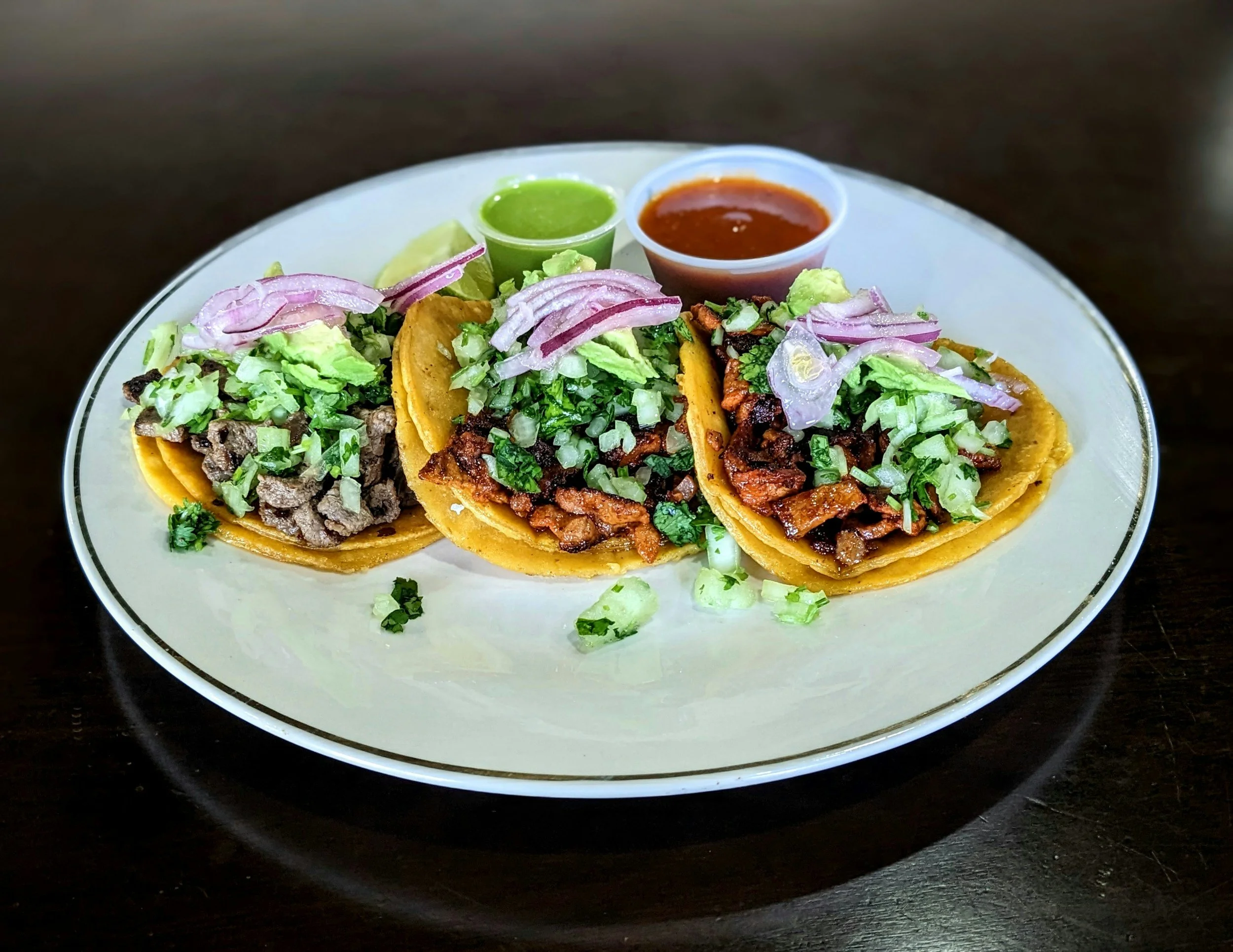
For lunch, tacos can be light yet filling, perfect for a quick, balanced meal.
Popular Ingredients:
Grilled chicken or beef
Fresh veggies like lettuce and tomatoes
Black beans
Cilantro and lime
Lunch Combos:
Grilled Chicken Taco: Chicken, lettuce, tomato, and lime.
Veggie Taco: Roasted peppers, beans, avocado, and salsa.
Dinner Tacos: Hearty and Flavorful
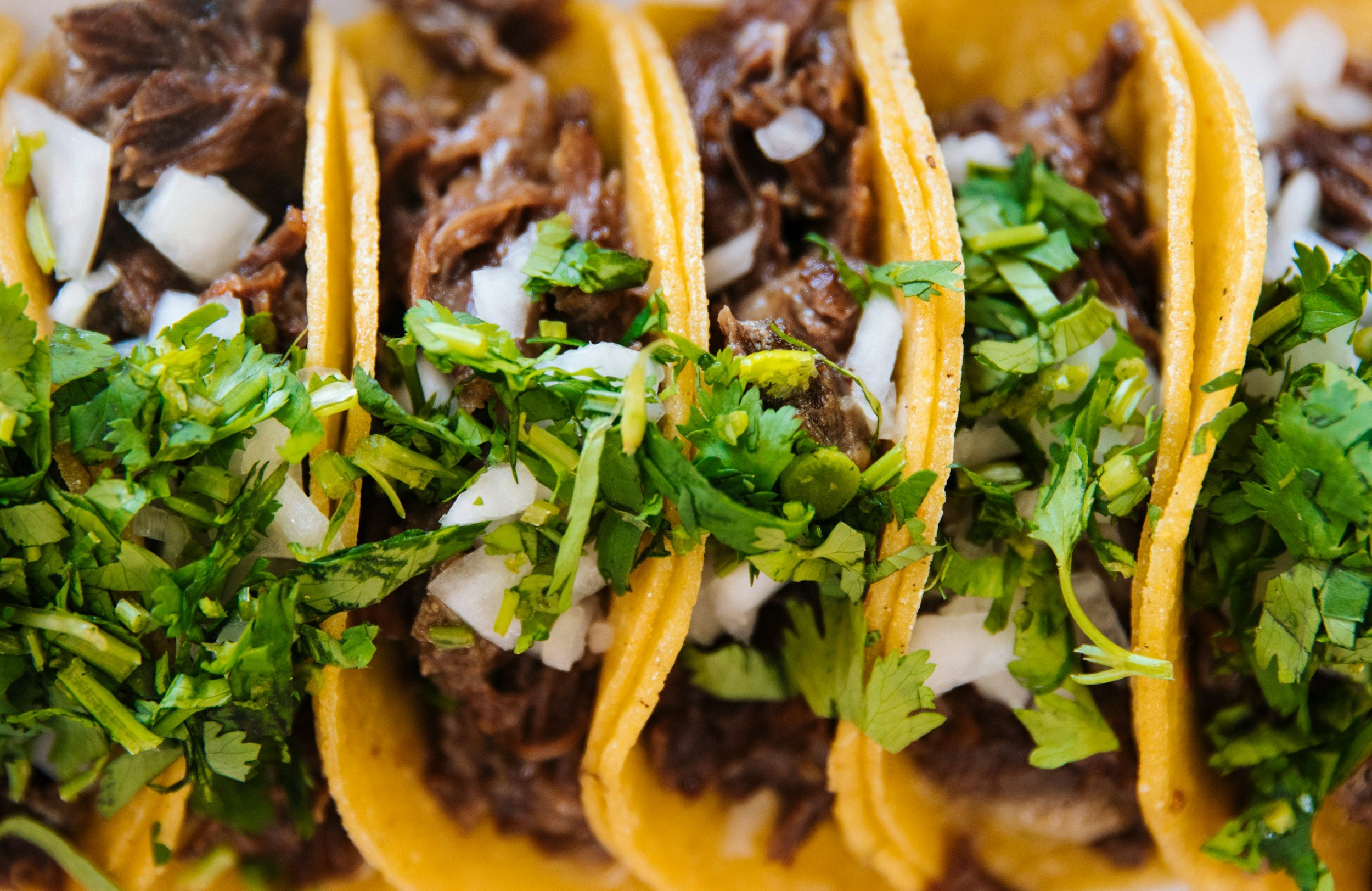
For dinner, you can make tacos hearty and satisfying with slow-cooked meats and bold flavors.
Popular Ingredients:
Slow-cooked meats like barbacoa or carnitas
Pickled veggies for tang
Cotija or queso fresco
Guacamole or sour cream
Dinner Combos:
Carnitas Taco: Braised pork, pickled onions, and Cotija cheese.
Barbacoa Taco: Slow-cooked beef with onions and a smoky chipotle sauce.
Conclusion: Endless Taco Combinations
From breakfast to dinner, tacos can be tailored to fit any meal. With endless options for ingredients and flavors, tacos are always a delicious and satisfying choice no matter the time of day!
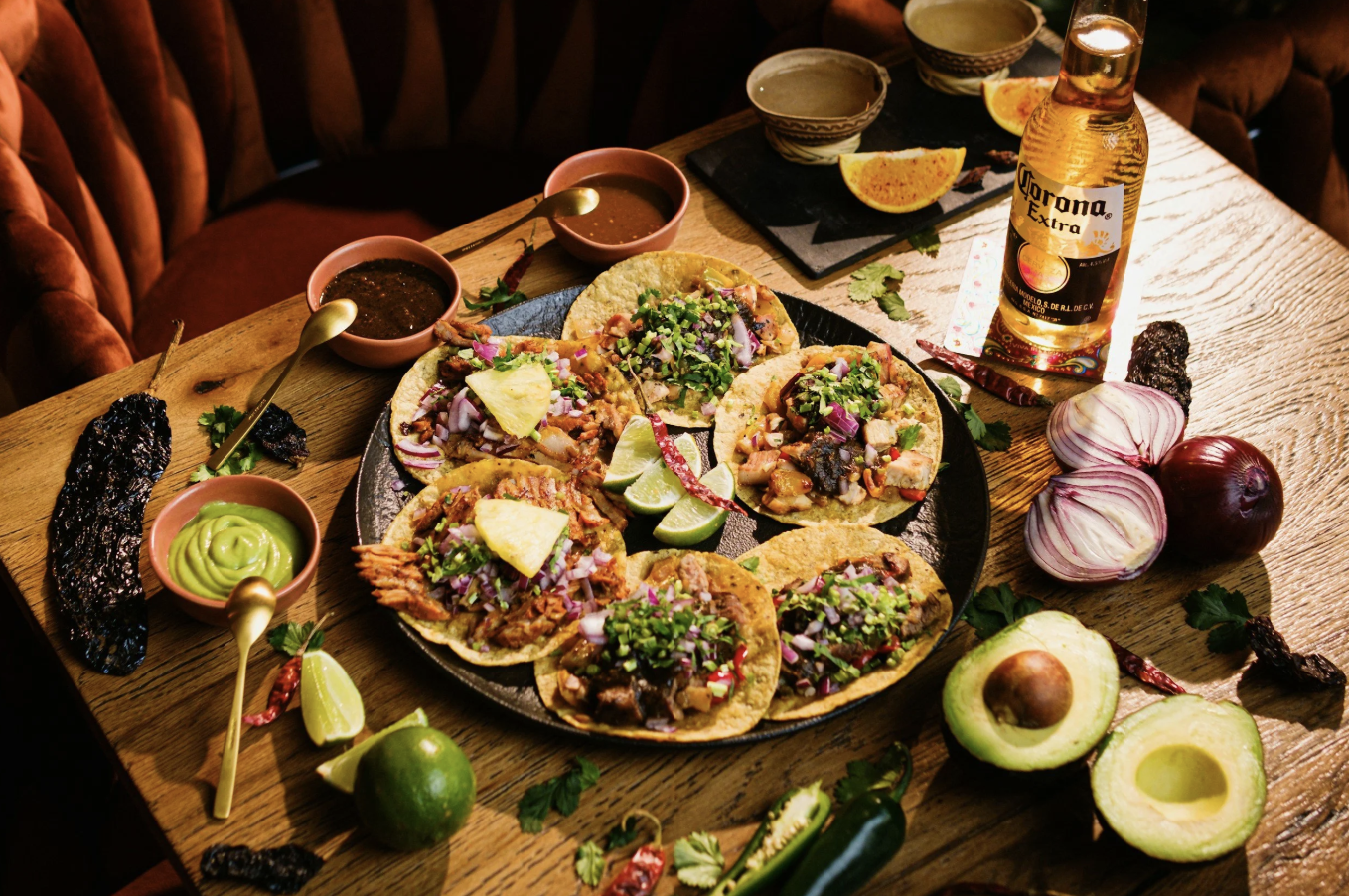
How to Host the Ultimate Taco Night at Home
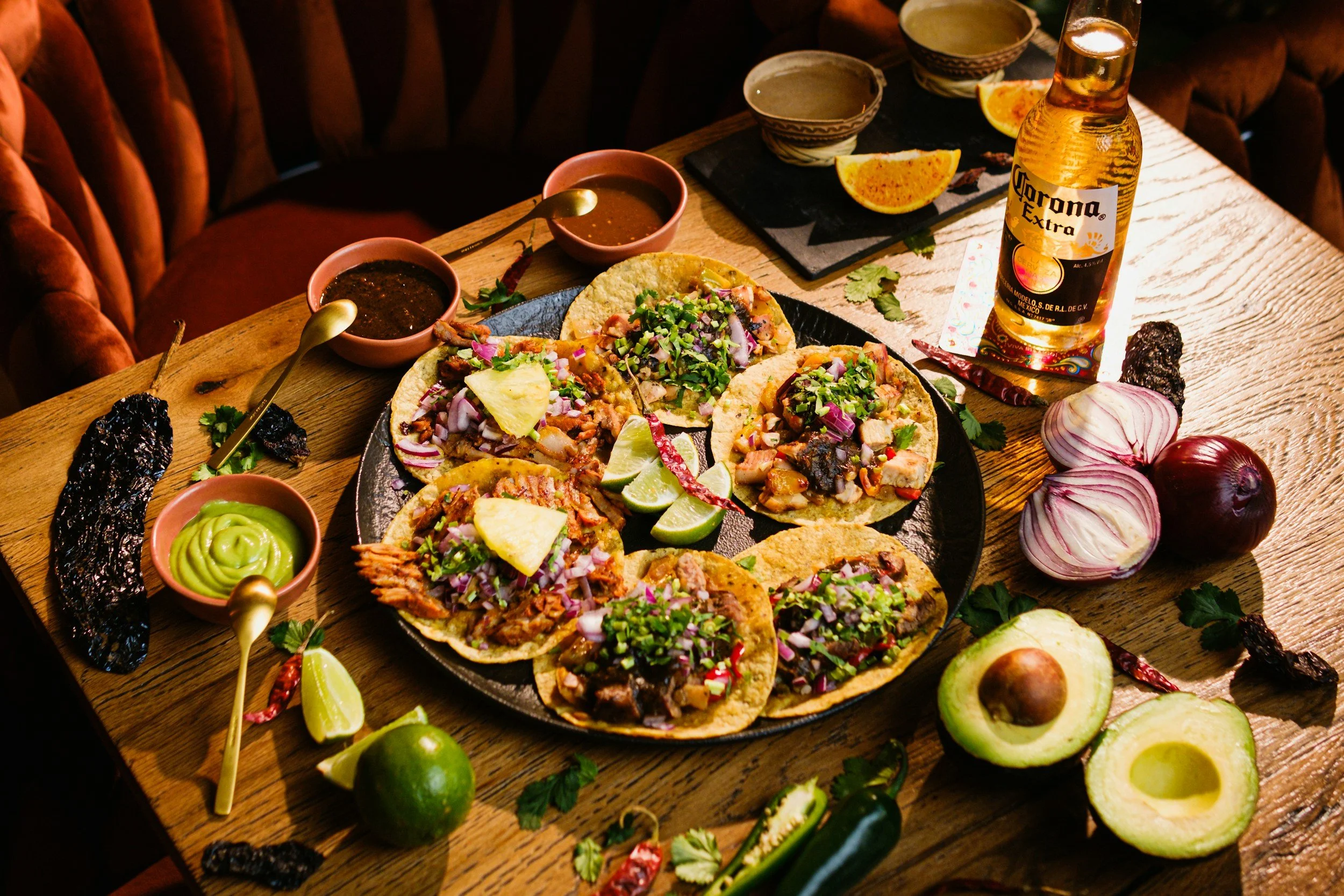
Taco night is a delightful way to gather family and friends for a fun and flavorful evening. With the right setup, ingredients, and interactive elements, you can create a taco bar that everyone will love. This culinary fiesta not only satisfies diverse taste preferences but also encourages creativity and collaboration. From choosing the perfect proteins to setting the mood with decorations and music, there are many ways to make your taco night a memorable event. Here’s how to plan the ultimate taco night at home!
Set the Scene for Taco Night
Start by creating a festive atmosphere that gets everyone excited. Decorate your space with colorful napkins, plates, and a vibrant tablecloth. Consider adding Mexican-inspired decor, such as sombreros, papel picado (colorful paper banners), and string lights to create a lively ambiance. Curate a playlist of Latin music, including mariachi, salsa, or cumbia, to keep the energy high and set the perfect mood for the night.
Taco Bar Setup: Proteins, Shells, and Toppings
The taco bar is the centerpiece of your event, and it’s all about variety. Here’s what you need to include:
Proteins:
Ground beef or shredded chicken seasoned with taco seasoning.
Carnitas (slow-cooked pulled pork) or barbacoa (slow-cooked beef) for a richer option.
Grilled shrimp or fish (like tilapia) for a seafood option.
Vegetarian/Vegan options: Grilled portobello mushrooms, roasted veggies (zucchini, bell peppers, onions), or seasoned tofu.
Taco Shells:
Soft tortillas (corn or flour): Warm them up on a skillet or in the oven.
Hard taco shells: A crunchy alternative.
Toppings:
Shredded lettuce, diced tomatoes, sliced avocados or guacamole, chopped onions (raw or caramelized), cilantro, jalapeño slices, shredded cheese (cheddar, queso fresco), sour cream or Mexican crema, and various salsas (tomato salsa, salsa verde, pico de gallo, or mango salsa).
Sauces:
Hot sauce, chipotle mayo, or a creamy cilantro lime dressing.

Best Sides and Drinks for Taco Night
Side Dishes
Enhance the taco experience with a selection of side dishes that complement the flavors of your tacos:
Mexican Rice: Fluffy rice made with tomatoes, onions, and spices.
Refried Beans: Black or pinto beans cooked with spices for a hearty addition.
Street Corn (Elote): Grilled corn on the cob slathered in mayo, chili powder, lime, and cotija cheese.
Chips and Dips: Guacamole, queso dip, and salsa are essential for snacking.
Mexican Slaw: A tangy slaw made with cabbage, cilantro, lime, and jalapeños.
Beverages

Keep the drinks flowing to keep everyone refreshed:
Margaritas: Offer classic lime margaritas and fun flavors like mango or strawberry.
Palomas: A refreshing cocktail made with tequila, grapefruit soda, and lime.
Agua Frescas: Non-alcoholic fruit drinks like horchata (rice milk), tamarind, or watermelon for guests who prefer not to drink alcohol.
Interactive Taco Night Ideas
Make your taco night even more engaging with a variety of interactive elements:
Taco Building Contest: Encourage guests to assemble the most visually appealing taco or the most creative flavor combination. Provide small prizes for winners in categories like “Most Colorful” or “Most Unique Flavor.”
DIY Salsa Station: Set up a salsa-making station where guests can mix their ingredients, such as diced tomatoes, onions, jalapeños, cilantro, lime, and spices, allowing everyone to create their own signature salsa.
Taco Trivia: Organize a fun trivia game about tacos and Mexican cuisine. Include questions about the history of tacos, different regional varieties, and popular ingredients.
Photo Booth: Create a festive photo booth with fun props like sombreros, mustaches, and maracas to capture memories of the night.
Delicious Desserts for Taco Night

End the night on a sweet note with delicious desserts:
Churros: Fried dough sticks rolled in cinnamon sugar.
Flan: Creamy, caramel custard for a smooth dessert option.
Tres Leches Cake: A moist, rich cake soaked in three kinds of milk.
By incorporating a variety of ingredients, sides, beverages, and interactive elements, your taco night will be an enjoyable and memorable experience for all your guests! So gather your friends, roll up your sleeves, and get ready for a taco fiesta that everyone will be talking about long after the night is over.

Street Tacos vs. Gourmet Tacos: What’s the Real Difference?
Tacos come in all shapes, sizes, and flavors, but there’s a distinct difference between the classic street taco and the trendy gourmet taco. Let’s break down how they compare when it comes to simplicity, cost, presentation, and more.

1. Simplicity vs. Complexity: Ingredients and Preparation
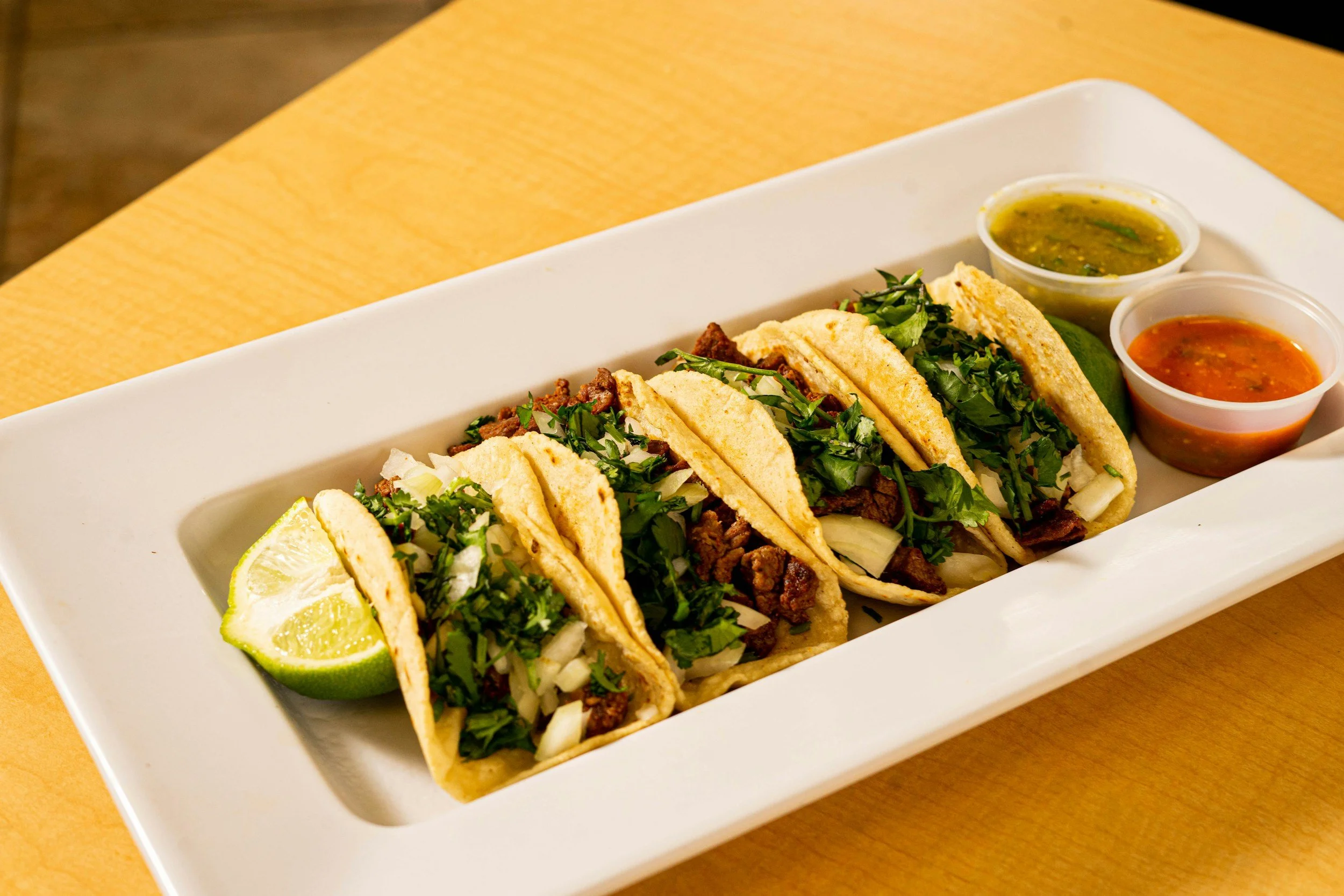
Street Tacos: These tacos are all about minimalism. Typically filled with grilled meats like carne asada or al pastor, and topped with cilantro, onions, and lime, street tacos are straightforward and highlight traditional flavors.
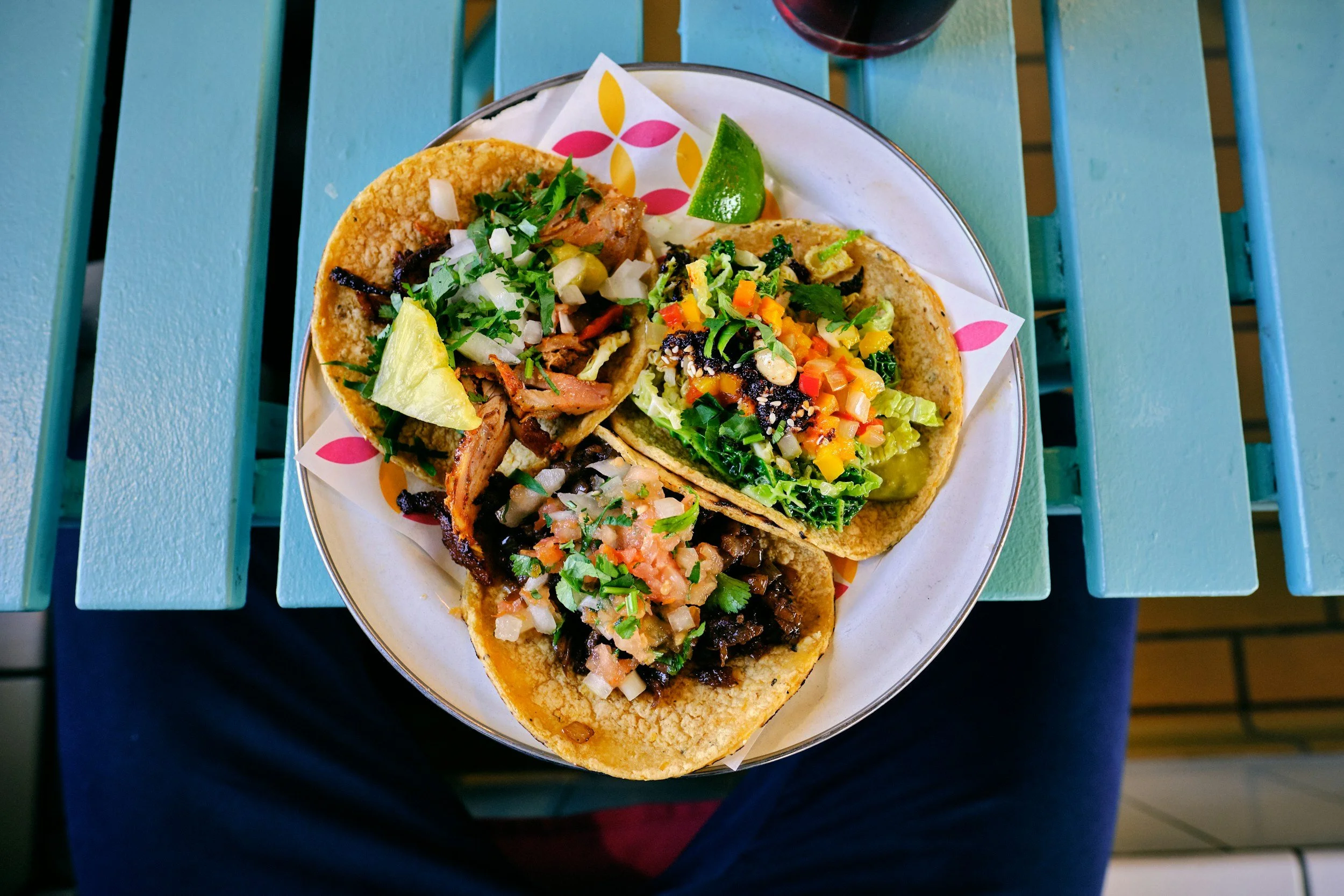
Gourmet Tacos: Gourmet tacos take a more elaborate approach, featuring unique ingredients like duck, lobster, or exotic sauces. Chefs often blend flavors from different cuisines, creating fusion tacos like Korean BBQ or fish tacos with tropical salsas.
2. Price Point: Affordable Street Tacos vs. Upscale Gourmet Tacos
Street Tacos: Known for being affordable, street tacos are sold from food trucks or stalls and are budget-friendly, making them a popular everyday food.
Gourmet Tacos: These tacos, often served in upscale restaurants, are pricier. The use of premium meats, organic produce, and artisanal tortillas leads to higher costs.
3. Presentation: Street Style vs. Gourmet Plating
Street Tacos: Street tacos are served simply and efficiently. They’re small, wrapped in a basic corn tortilla, and meant for quick, on-the-go eating.
Gourmet Tacos: On the other hand, gourmet tacos are plated with style. Expect colorful garnishes, artistic sauces, and an overall “Instagram-worthy” look.
4. Authenticity: Traditional Roots vs. Modern Twists
Street Tacos: Representing the essence of traditional Mexican street food, street tacos stay true to their roots. The focus is on authentic flavors and techniques passed down through generations.
Gourmet Tacos: While often inspired by traditional tacos, gourmet versions experiment with global flavors and techniques, offering a modern twist on the original concept.
5. Size and Portion: How They Compare
Street Tacos: Typically small, street tacos are designed to be eaten in multiples—often two to four at a time.
Gourmet Tacos: These tacos vary in size but are often served as a single, more substantial dish meant to be savored.
6. Ingredients: Classic vs. Creative
Street Tacos: Simplicity rules here. Corn tortillas with basic fillings like meat, onions, cilantro, and salsa are the hallmark of street tacos.
Gourmet Tacos: Gourmet versions use more diverse ingredients, from handmade flour tortillas to innovative toppings like truffle oil or pickled veggies.

Street tacos are all about authenticity and simplicity, offering bold flavors in an affordable, no-fuss package. In contrast, gourmet tacos are about creativity and presentation, elevating the taco experience with premium ingredients and global influences. Whether you prefer the humble street taco or the refined gourmet version, both have their own unique appeal.

Are Tacos Healthy?
It all begins with an idea.

Tacos are a staple in many diets, enjoyed for their flavor, versatility, and convenience. But are they good for you? As with many foods, the answer depends on what’s in them and how they’re prepared. Tacos can be a healthy, balanced meal or a calorie-dense indulgence. Here, we’ll explore their nutritional pros and cons, potential health risks and benefits, and how to make them part of a balanced diet.
The Health Benefits of Tacos
Tacos have the potential to deliver key nutrients, depending on their ingredients. They often combine carbs, protein, and fats in one easy-to-eat package. Here’s a closer look at what tacos can offer:
1. Good Source of Protein
Lean Meats: Tacos filled with lean protein options like grilled chicken, fish, or shrimp can offer a high-protein meal, supporting muscle growth, immune function, and overall recovery. Fish, especially, is rich in omega-3 fatty acids, which are known for their heart health benefits.
Plant-Based Protein: Tacos made with beans, lentils, or tofu are great sources of plant-based protein and fiber, which can help with digestion, support heart health, and even aid in weight management.
2. Fiber from Vegetables and Toppings
Vegetables: Fresh toppings like lettuce, tomatoes, onions, and peppers add fiber, vitamins, and antioxidants, which support digestion, improve immune function, and reduce inflammation.
Beans and Legumes: If you’re using beans, you’re adding fiber and plant-based protein to your taco. Fiber is essential for digestion and helps you stay full, which can be helpful if you’re trying to manage your weight.
3. Carbohydrates from Tortillas
Corn Tortillas: Corn tortillas are lower in calories than flour tortillas and contain essential minerals like magnesium and potassium, which support bone health, muscle function, and help regulate blood pressure.
Whole-Grain Tortillas: Whole-grain tortillas can be another good option, offering more fiber than refined flour tortillas. This fiber can help manage blood sugar levels and keep you feeling fuller for longer.
4. Healthy Fats from Avocado and Other Toppings
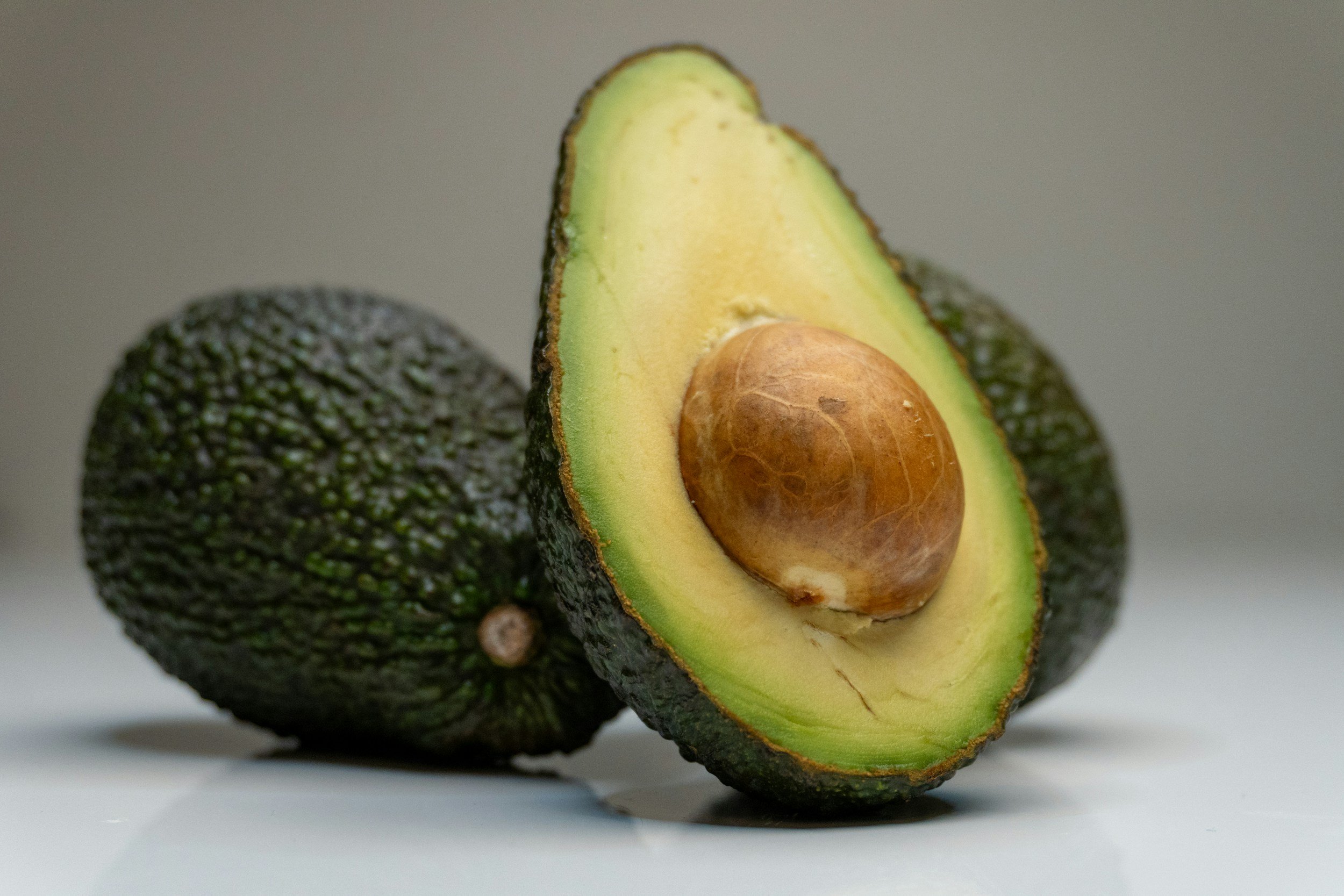
Avocado and Guacamole: Avocados are rich in heart-healthy monounsaturated fats, which can improve cholesterol levels and support skin health. They’re also a good source of vitamins like E and K and essential minerals like potassium.
Olive Oil and Salsa: Homemade salsa and a light drizzle of olive oil can add a boost of antioxidants and healthy fats, supporting overall heart health.
Potential Downsides of Tacos
While tacos can offer solid nutrition, they’re not all created equal. Some types or preparations can make them less healthy. Here are a few things to watch out for:
1. High-Calorie Additions
Cheese and Sour Cream: Adding too much cheese or sour cream can make tacos higher in saturated fats and calories, which, when eaten in excess, may contribute to weight gain and increased risk of heart disease.
Fried Fillings and Shells: Fried meats and shells can add extra unhealthy fats and calories, which may increase your risk of heart disease if eaten too often.
2. Refined Carbohydrates
Flour Tortillas: Flour tortillas are often higher in calories and contain less fiber than corn or whole-grain options, which can make it easier to overeat and may lead to blood sugar spikes.
Hard Taco Shells: Some hard taco shells are fried and may contain trans fats, which are linked to higher LDL cholesterol levels and a higher risk of heart disease.
3. High Sodium Levels
Processed Meats and Seasoning Mixes: Meats like seasoned beef and premade taco seasonings are often high in sodium, which may increase blood pressure and contribute to a higher risk of cardiovascular issues.
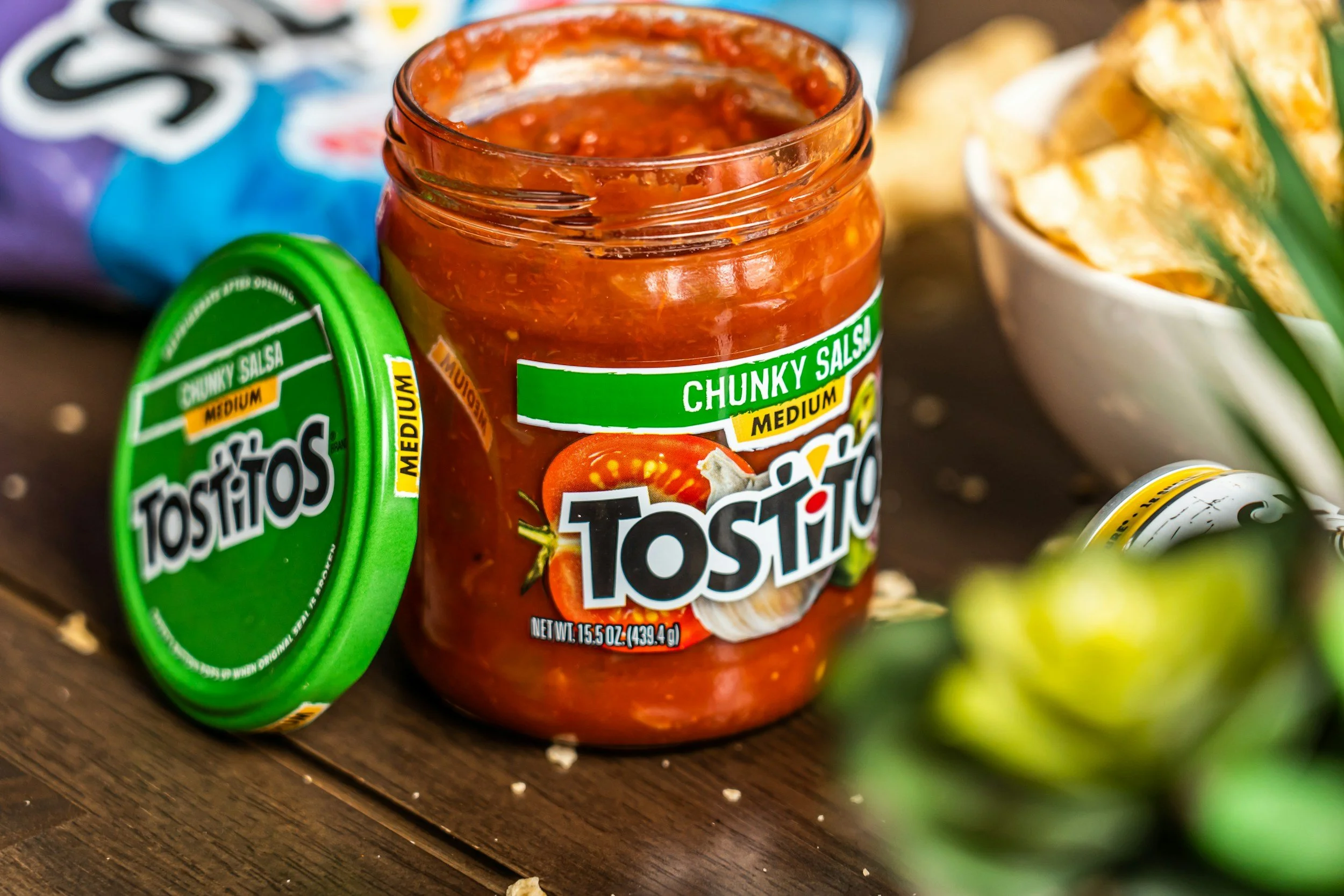
Store-Bought Salsa: Many premade salsas are high in added salt and sugar, which can add to your overall sodium intake for the day. Making fresh salsa is a healthier option.
4. Portion Control Challenges
Because tacos are small and easy to eat, it’s easy to overindulge. Eating multiple tacos in one sitting can quickly add up in calories, fat, and sodium, depending on the ingredients and toppings used.
Health Considerations of Tacos
Some tacos may carry specific health risks, particularly if they include red meat, fried items, or high-sodium components. Here’s what to keep in mind:
Cholesterol Levels: Tacos high in saturated fats from red meats, cheese, and sour cream may contribute to elevated cholesterol levels over time, which could increase your risk of heart disease.
Digestive Issues: Spicy salsas and acidic toppings, such as lime juice, may trigger acid reflux or digestive discomfort, particularly for those with sensitive stomachs.
Blood Pressure: Tacos loaded with high-sodium ingredients like processed meats and certain seasonings may contribute to high blood pressure over time.
Blood Sugar Spikes: Flour tortillas and high-sugar sauces or marinades can contribute to spikes in blood sugar, particularly for individuals with diabetes or insulin resistance.
Tips for Making Healthier Tacos
To keep tacos as a nutritious option, try these swaps and additions:
Go for Corn or Whole-Grain Tortillas: These options are higher in fiber and lower in calories than refined flour tortillas. Alternatively, lettuce wraps can be a low-carb substitute.
Choose Lean Proteins: Grilled chicken, fish, shrimp, or plant-based proteins like beans or lentils make healthier choices than fried or heavily seasoned meats.
Watch the Cheese and Sour Cream: Use smaller amounts of cheese and try substituting sour cream with Greek yogurt to get a similar texture with more protein and less fat.
Make Fresh Salsa: Making your own salsa lets you control the salt and sugar content, plus fresh ingredients provide added vitamins and antioxidants.
Add Vegetables: Spinach, shredded cabbage, bell peppers, and onions boost fiber and essential nutrients.
Use Avocado for Healthy Fats: Avocado or a drizzle of olive oil provides monounsaturated fats, which can help keep you feeling full and support heart health.
Bottom Line
Tacos can fit into a healthy diet if prepared with wholesome ingredients and enjoyed in moderation. Lean proteins, high-fiber vegetables, whole-grain or corn tortillas, and moderate portions of healthy fats can make tacos a nutrient-dense, satisfying choice. But keep in mind that high-calorie toppings like cheese, sour cream, and fried shells can quickly make tacos a heavier option.
Making mindful ingredient choices and using portion control can help you enjoy tacos as a tasty and balanced meal option. With a few tweaks, tacos can be a flavorful and nutritious part of your regular diet.
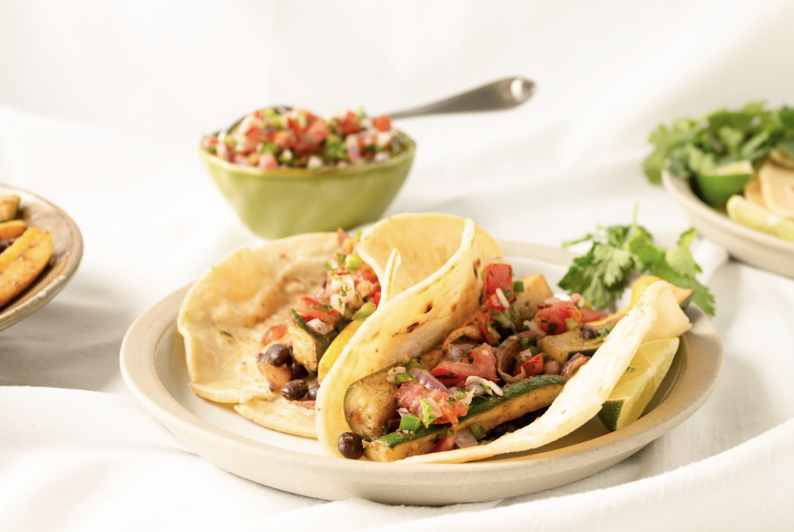
The Evolution of Vegan Tacos: How Plant-Based Options Are Changing the Taco Game
It all begins with an idea.
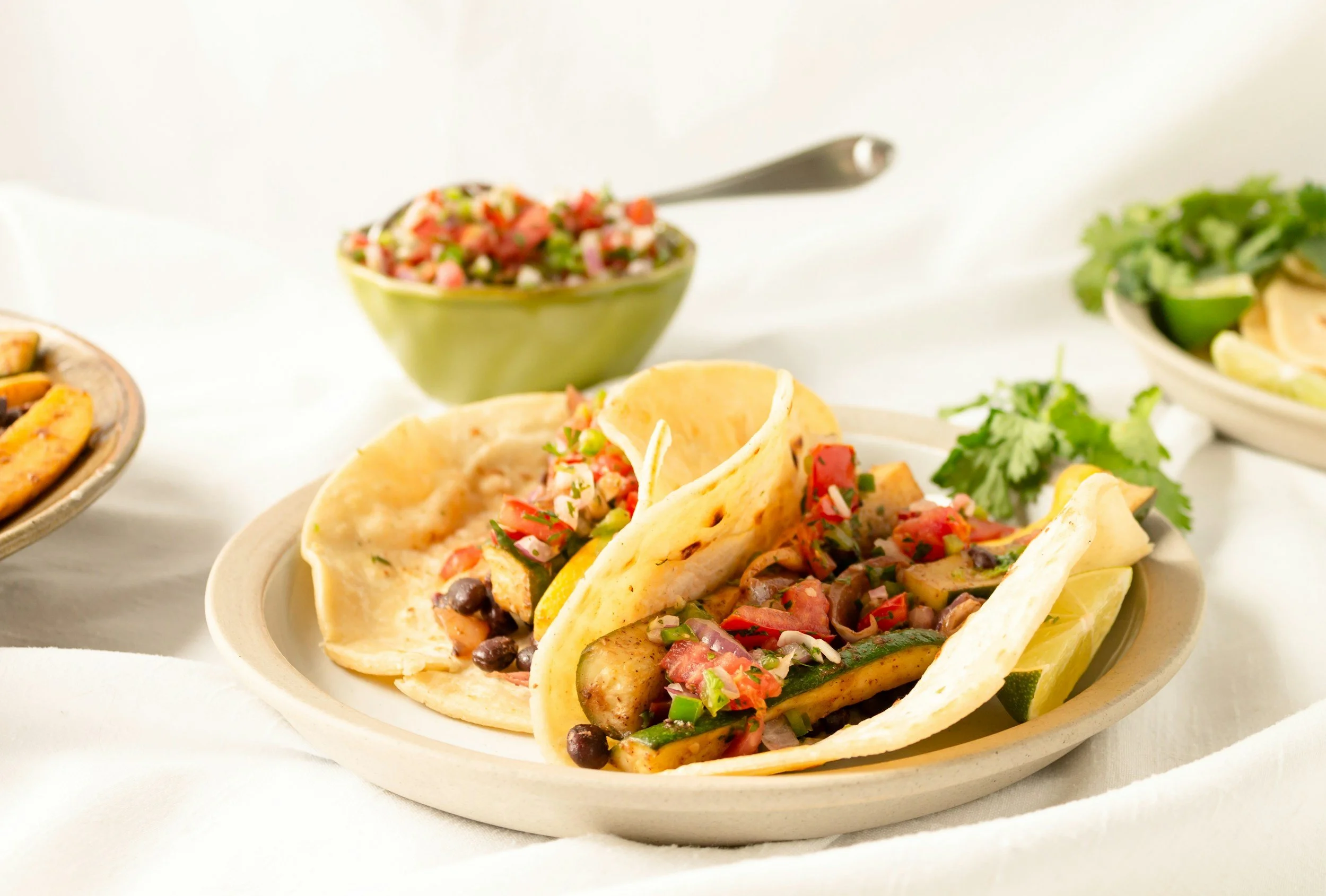
The rise of vegan tacos reflects a broader trend in the food industry toward plant-based diets and sustainable eating. Over the past decade, more people have adopted veganism or reduced their meat intake for health or environmental reasons, leading to a transformation in tacos into a canvas for innovative and delicious plant-based options.
Growing Popularity of Vegan Tacos
Health Consciousness
With an increasing focus on health and wellness, many consumers are turning to plant-based diets. Tacos, traditionally laden with meat, have been reimagined with nutritious ingredients that cater to this demand. Vegan tacos often incorporate whole foods like legumes, grains, and fresh vegetables, appealing to health-conscious eaters.
Environmental Awareness
Concerns about the environmental impact of animal agriculture have led many to seek alternatives. The production of plant-based ingredients generally requires fewer resources and emits less greenhouse gas than meat production. Vegan tacos present a way for consumers to enjoy their favorite foods while being mindful of their ecological footprint.
Culinary Creativity
The taco format is inherently versatile, allowing chefs and home cooks to experiment with flavors and textures. Vegan tacos can include a variety of plant-based proteins such as jackfruit, tempeh, or chickpeas, which mimic the texture of traditional meats. Additionally, innovative toppings and sauces made from nuts, avocados, and spices contribute to an exciting flavor profile.
Cultural Shifts
As global cuisine has become more accessible, diverse ingredients have found their way into vegan tacos. Ingredients like Korean BBQ tofu, spicy lentil mixtures, or roasted cauliflower have gained traction, showcasing the fusion of culinary traditions and making vegan tacos appealing to a wider audience.
Plant-Based Alternatives to Traditional Meat-Filled Tacos
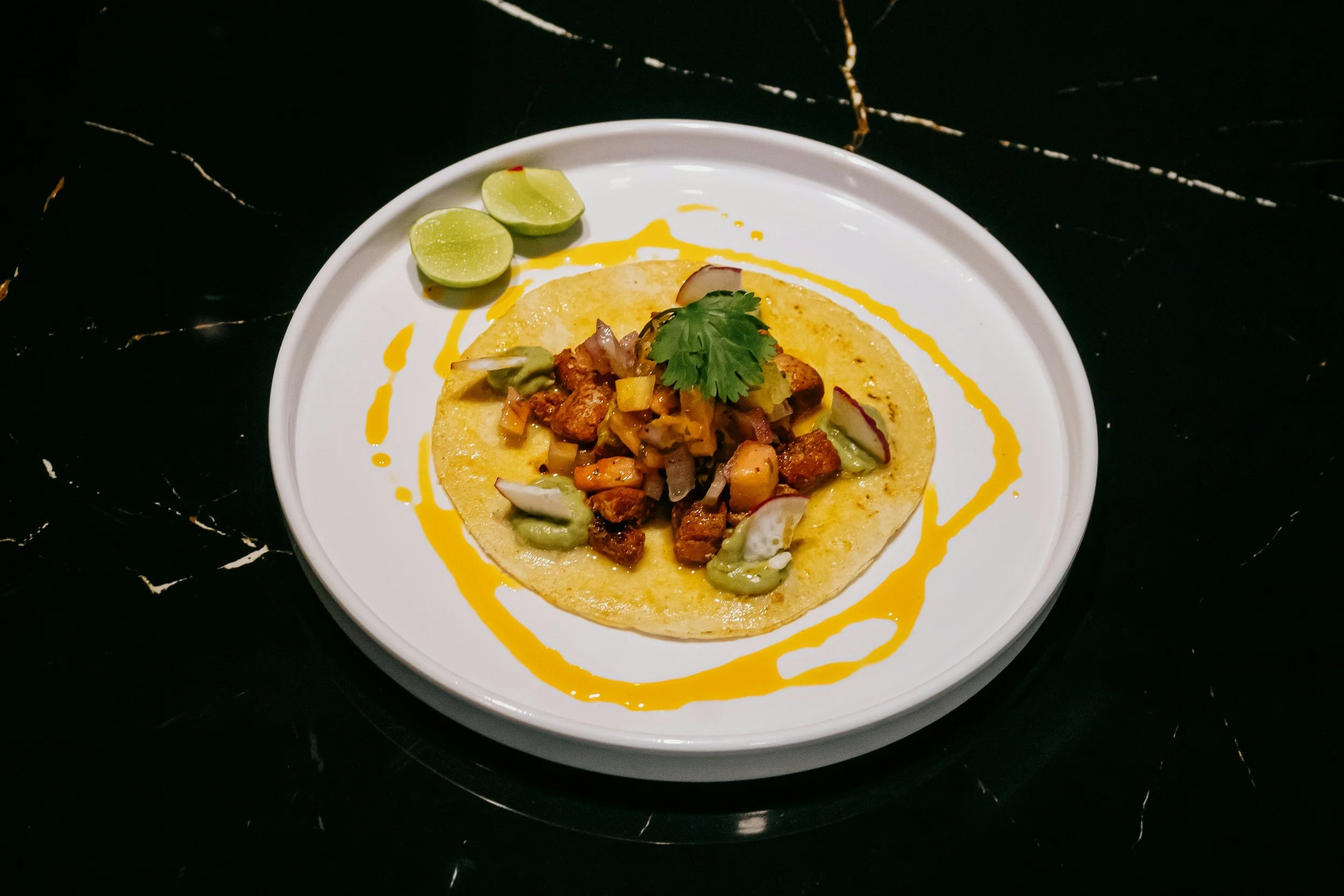
Proteins
Jackfruit: When cooked, jackfruit takes on a pulled pork-like texture, making it a popular choice for vegan taco fillings. It's often seasoned with spices and sauces to enhance its flavor.
Tofu and Tempeh: These soy-based proteins are excellent for marinating and grilling. They absorb flavors well and can be prepared in various styles, from smoky to spicy.
Legumes: Beans, lentils, and chickpeas provide protein and fiber. They can be seasoned and mashed for a hearty filling or made into patties for a unique twist.
Vegetables
Roasted Veggies: Seasonal vegetables like bell peppers, zucchini, and mushrooms can be roasted and seasoned for a flavorful taco filling.
Cauliflower: Roasted or battered and fried, cauliflower has become a favorite in vegan cuisine, providing a satisfying bite when paired with the right spices.
Toppings and Salsas

Avocado and Guacamole: Creamy avocado and zesty guacamole offer a rich contrast to the spices in the taco filling.
Salsas: Fresh salsas made with tomatoes, mango, pineapple, or corn add brightness and texture. Vegan sour cream or cashew-based dressings also enhance the flavor profile.
Tortillas
Whole Grain and Alternative Tortillas: While corn and flour tortillas remain classics, many brands now offer whole grain or gluten-free options made from alternative grains, such as chickpea or almond flour.
Vegan tacos are not just a passing trend; they represent a significant shift in how we think about food. As more consumers seek plant-based options, tacos provide an excellent platform for creativity, sustainability, and flavor. The evolution of vegan tacos showcases that delicious, satisfying meals can be made without traditional animal products, appealing to vegans, vegetarians, and flexitarians alike. Whether enjoyed from a food truck, a high-end restaurant, or made at home, vegan tacos are changing the taco game, one flavorful bite at a time.